


 Shkruar nga Pamfleti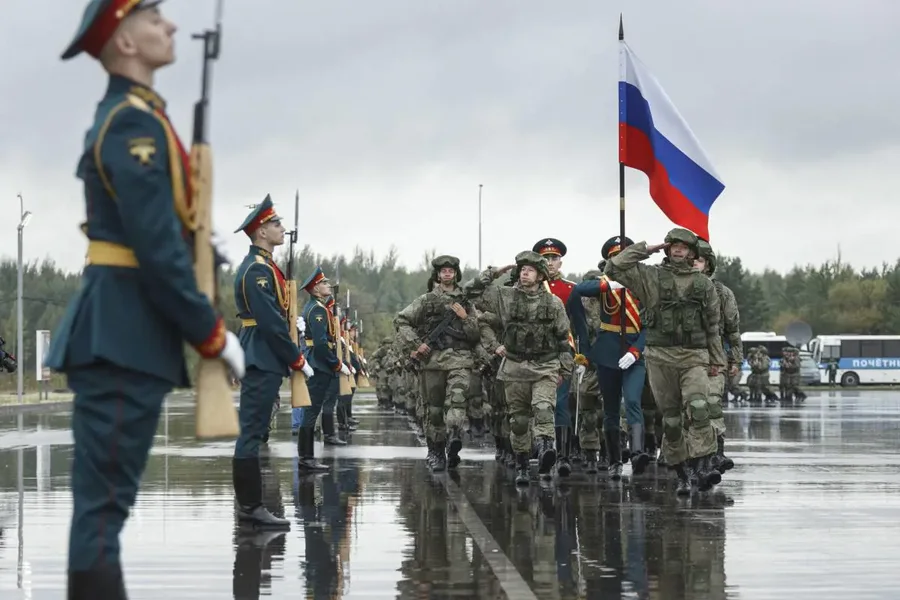
Moscow is building new military infrastructure along the northern border of the Atlantic Alliance. The Arctic region is once again at the center of strategic competition between Russia and NATO…
Russia is building new infrastructure to support significant troop deployments along the Atlantic Alliance's northern flank. These structures could house tens of thousands of soldiers near the Arctic and the borders with Sweden and Finland, while NATO is also strengthening its defenses with a new "Arctic combat force," which aims to serve as a deterrent to the Russian Federation in a region that is expected to become increasingly strategic for major world powers.
While international attention remains focused on the war in Ukraine and the Strait of Hormuz crisis, which according to the latest developments seems to be moving towards a solution, Russia appears to be engaged in significantly strengthening its military presence along NATO's northern flank.
In this area, new infrastructure, including bases and logistics centers designed to house tens of thousands of soldiers, is taking shape in the Arctic and northwestern regions, an area that is increasingly considered strategic for the confrontation between Moscow and the Atlantic Alliance.
In the face of these developments, NATO is also accelerating the strengthening of its defense capabilities in the "Great North" with the creation of a new combat force specifically designed to increase deterrence and respond to potential threats along one of Europe's most sensitive borders.
Despite the heavy losses and the limited possibilities for the Russian military apparatus, burdened by more than 4 years of conflict, to deploy large forces in the Arctic, concerns about the militarization of the region remain high. The strategic importance of the area is linked to the prospect of new sea routes and energy reserves that are becoming more accessible due to climate change. For this reason, NATO continues to strengthen its presence along the Finnish border.
Although the losses and the state of the Russian military make it difficult, at least at this stage, to deploy significant forces in the Arctic to confront regional powers, an escalation that would involve NATO in a conventional conflict, concern about the militarization of the Arctic region and the future of this strategic area remains high. The new sea routes and energy reserves that are becoming accessible thanks to climate change continue to worry the Atlantic Alliance, especially the member states that border Russia. This is why NATO is continuing to strengthen its presence along the border with Finland.
A NATO official told The War Zone that “while the Alliance assesses that the likelihood of a near-term conflict is low due to the war in Ukraine, Moscow may seek to expand westward into the Nordic and Baltic countries after a ceasefire with Ukraine .” According to him, Russia could do this by leveraging the military mobilization that has gradually expanded in recent years, in parallel with the war economy that has supported the continuation of the conflict.
Satellite images studied by analysts show that Moscow is investing resources in building “military installations along the borders with Norway and Finland to house tens of thousands of new troops ,” in preparation for what could be a “potential confrontation along NATO’s northern borders.”
To counter a potential build-up of Russian military presence after the end of the war in Ukraine, NATO plans to deploy Forward Land Forces Finland, a multinational battalion led by Sweden to support the defense of the Alliance's northeastern flank. The unit will be placed under the command of the Supreme Allied Commander Europe and will be able to operate in the Arctic regions, rapidly reinforcing the military presence in northern Finland if necessary.
The new formation will serve as a deterrent and highly operationally ready force in the Arctic and the Far North, areas of exceptional strategic importance, but characterized by some of the most difficult environmental conditions in the world.
According to General Alexus Grynkewich, who is expected to take over as Supreme Allied Commander Europe, this deployment, together with the Arctic Sentry mission, "will leverage NATO's strength to defend our territory and ensure security, given Russian military activity and China's growing interest in these areas."
Although there are no indications that the Arctic region is close to becoming the scene of an open conflict, military activities in recent years seem to clearly indicate that Russia, the United States, and the regional powers of the Atlantic Alliance are increasing their military capabilities to prepare for such a scenario, however remote and undesirable it may remain. / Pamphlet /




Lini një Përgjigje