


 Shkruar nga Pamfleti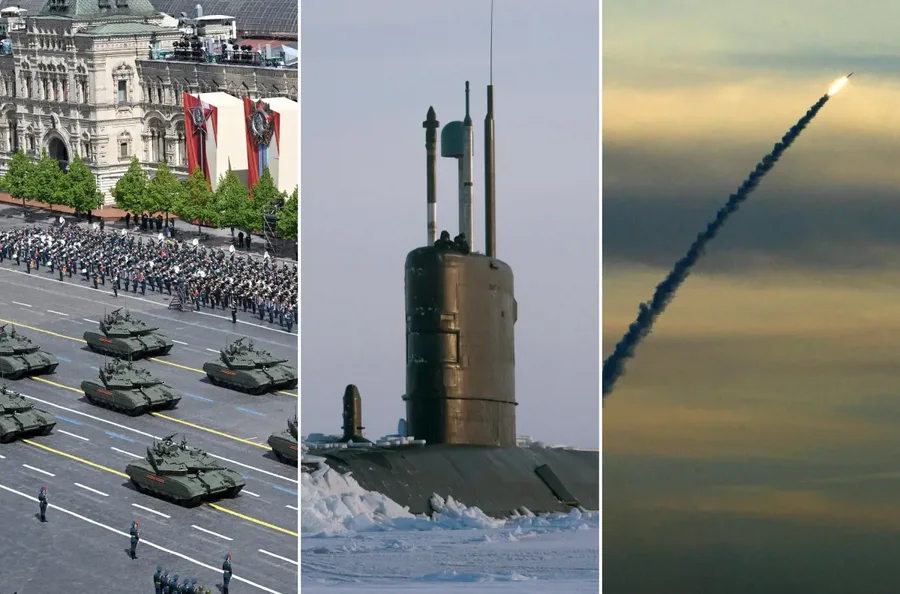
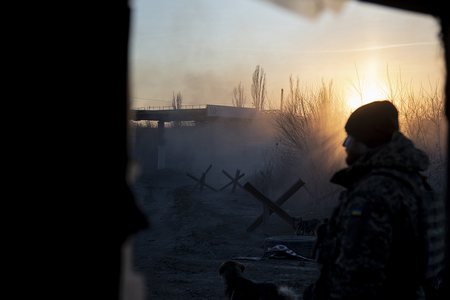
From Northern to Southern Europe, the possibilities for confrontation with Russia are growing. Under the shadow of NATO's messages, confrontation grows along the new Iron Curtain...
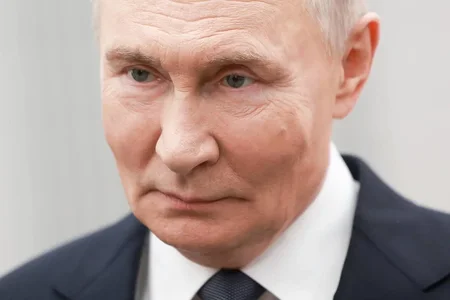
Europe and Russia are destined for conflict. Diplomacy is the only way to talk, but tensions along the “new iron curtain” that separates European capitals and Moscow are palpable. This is also demonstrated by Russia’s reaction to Admiral Cavo Dragone’s comments about a possible NATO cyberattack against Russia. Vladimir Putin, speaking at the Moscow Investment Forum, lashed out: “if Europe decides to go to war with Russia and actually starts a war, a situation could very quickly arise in which Moscow will no longer have anyone to negotiate with.”
A little less than a week ago, a dire warning was issued from Berlin. Foreign Minister Johann Wadephul declared that German intelligence services were convinced that Russia was creating the conditions to launch an attack against NATO by 2029. "Putin," said the German minister, "is recruiting a new division every month and they will end up targeting the EU and NATO." From North to South, there are many hot and critical points in this new Cold War.
Submarine warfare in the Arctic
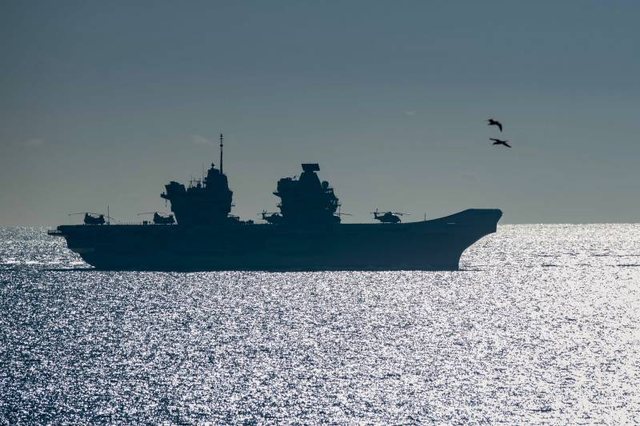
In the Arctic, the UK and Norway are organising joint naval patrols to protect undersea cables from Moscow. The British government said a combined fleet of at least 13 warships would “pursue Russian submarines and protect critical infrastructure in the North Atlantic”. As part of the deal, signed in London by the defence ministers of both countries, the UK has agreed to use Norwegian missiles for the Royal Navy’s surface fleet.
British Prime Minister Keir Starmer and his Norwegian counterpart Jonas Gahr Støre are scheduled to hold talks at 10 Downing Street before visiting British and Norwegian personnel at RAF Lossiemouth in Scotland, where they will meet with the crews of aircraft that have been monitoring Russian ships. The UK says Russian naval activity in British waters has increased by 30% in the past two years. The deal follows another €11.4 billion deal signed in August for Norway to buy at least five British-built frigates. The Norwegian ships and eight British ships will operate together in the seas along NATO’s northern flank.

Militarization of the Finnish border
Një front tjetër, më në lindje, është përgjatë kufirit me Finlandën. Nga 27 nëntori deri më 4 dhjetor, Helsinki nisi një stërvitje të gjerë, "Boshti Verior 25", që përfshinte 15,000 burra së bashku me trupa nga Mbretëria e Bashkuar, Suedia dhe Polonia. Ishte një seri "lojërash lufte" që shtriheshin nga Arktiku në rajonet jugore. Për të krijuar një ide mbi madhësinë e stërvitjes, kini parasysh numrin e operacioneve që përfshinin ushtrime urbane, sulme të brigadave të mekanizuara, zjarr artilerie dhe operacione antitank. Një operacion tjetër, Lively Sentry 25, u mbajt paralelisht, duke përfshirë 6,500 burra, të përbërë nga rekrutë dhe rezervistë. Disa nga këto operacione përfshinin roje kufitare, por më e rëndësishmja, ato u zhvilluan pranë kufirit me Rusinë, siç janë qendrat Vuosanka dhe Rovaniemi Rovajari. Që nga anëtarësimi në NATO në vitin 2023, Finlanda ka intensifikuar aktivitetin e saj ushtarak, veçanërisht përmes ushtrimeve. Vetëm në vitin 2025, mbi njëqind operacione u kryen nga trupat kombëtare dhe partnerët strategjikë.
Në maj, një alarm i fortë u dha në Helsinki. The New York Times publikoi një seri fotosh satelitore që tregonin aktivitet intensiv rus përgjatë kufirit. Imazhet tregonin infrastrukturë të re ushtarake, të tilla si depo për automjete ushtarake, strehimore të reja për avionë luftarakë dhe rrugë të reja. Edhe pse vendosja nuk është e krahasueshme me atë që i parapriu pushtimit të Ukrainës, NATO vazhdon të monitorojë situatën. Autoritetet finlandeze në Moskë besojnë se të paktën 5 vjet, nëse jo më shumë, janë të nevojshme për të rindërtuar forcat e armatosura deri në pikën e sulmit ndaj Evropës, dhe se, pasi të përfundojë, numri i trupave në dispozicion të Putinit mund të trefishohet.
Russia is quietly building up military forces near NATO’s newest member, Finland.
— GeoInsider (@InsiderGeo) May 19, 2025
Satellite images show new tents, jet shelters, warehouses, and increased activity near the 830-mile Finnish-Russian border now NATO’s longest. While troop levels remain low, analysts warn this is a… pic.twitter.com/Ei4LgEVs8z
Luftëtarët gjermanë në Poloni
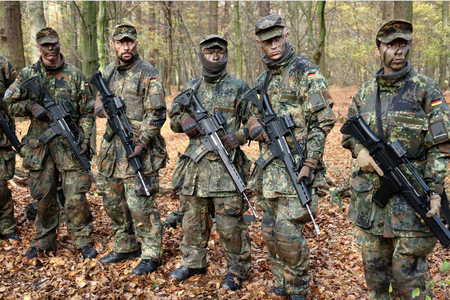
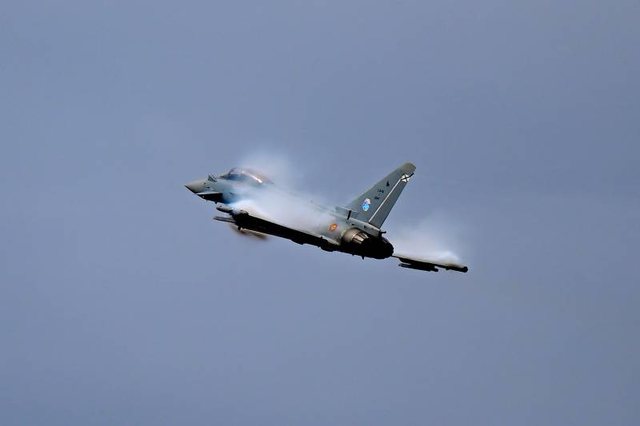
Më në jug, Polonia dhe Gjermania po lëvizin gjithashtu. Forcat Ajrore Gjermane kanë vendosur avionë luftarakë në vendin fqinj për të forcuar mbrojtjen e krahut lindor të NATO-s. Disa Eurofighter u ngritën nga Baza Ajrore Noervenich me destinacion aeroportin ushtarak polak në Malbork, njoftoi Forcat Ajrore. Vendosja është një përgjigje ndaj shkeljeve të fundit të hapësirës ajrore nga luftëtarët rusë në rajonin e Detit Baltik dhe inkursionit të dronëve kamikazë në territorin e NATO-s. Ministri i Mbrojtjes Boris Pistorius njoftoi iniciativën në mesin e tetorit.
"With this mission, our soldiers, in addition to our Early Warning Squadron (EWS) that has already been stationed in Romania since August, are making a further valuable contribution to the defense of the Alliance's eastern territory. We are therefore sending another strong signal of support to our neighbor, Poland, and to NATO as a whole," explained Air Force Inspector General, Lieutenant General Holger Neumann.
The German Air Force has already deployed fighter jets to the Polish military airport in Malbork in August and September. The airport is located approximately 60 kilometers southeast of Gdansk and 80 kilometers from the Russian enclave of Kaliningrad on the Baltic Sea. The German Armed Forces will deploy a team of approximately 150 men and women, including pilots, technicians, logistics workers, security personnel and military police, on board the aircraft. The deployment is initially planned to last until March.

Drone shield and the missile issue
One of the most delicate elements of the confrontation with Moscow is responding to Russian provocations. Since September, the number of Russian operations along NATO’s eastern border has increased. This includes raids that violated the airspace of Poland and the Baltic republics, as well as problematic flights over the Baltic, with Moscow’s fighter jets forcing NATO forces, including Italy, to scramble fighter jets to monitor their movements. And there have also been dozens of drone intercepts over airports in Northern Europe.
For these reasons, Europe is considering the anti-drone wall project. Between late September and October, the EU Commission and NATO presented the plan to create a device that would protect Europe, protecting the Union's eastern border and providing forces with tracking and interception capabilities. As Il Sole 24 Ore reported, funding for the project would come from the Secure Europe program and the European Defense Fund.
Meanwhile, some are taking cover. In early November, Poland and Romania announced they had deployed the Merops system. The device, which can be carried on medium-sized pickup trucks, is capable of identifying drones and approaching them, using artificial intelligence to navigate when satellite and electronic communications are disrupted.
In addition to drones, missile defense is also being discussed, as is the case with Germany.
Berlin has announced the deployment of the Arrow air defense system, becoming the first European country to deploy this type of weapon. Arrow, Reuters reports, is an Israeli-made defensive weapon capable of intercepting medium-range missiles, such as the Russian Oreshnik. /Adapted from Il Giornale/





Cdo perandorie e shteti ngordhja e shkaterrimi u ka ardhur nga kokat e tyre qe kane vuajtur nga deliri i madheshtire (delusion of grandeur). Tani u ka ardhur radha Rusise e Amerikes. Mbajeni mend.