


 Shkruar nga Pamfleti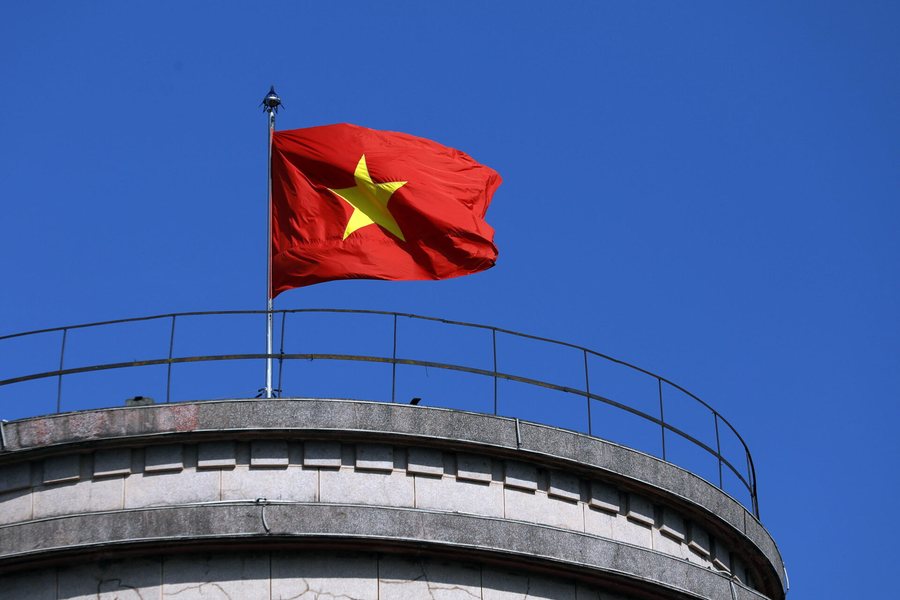
Hanoi between Washington, Beijing and Moscow: the bamboo diplomacy that keeps Vietnam in balance between the great powers...
Until a few years ago, it seemed that a promising diplomatic future was being consolidated between the United States and Vietnam, to the point of even weakening the traditional ties that Hanoi had with Washington's two main rivals: China and Russia.
In the period 2009–2017, Barack Obama's administration took serious steps towards diplomatic rapprochement with Vietnam, including this Southeast Asian country in the American "Pivot to Asia" strategy, a plan intended to shift the center of American foreign policy towards the Asia-Pacific region, in order to balance the ever-growing influence of Beijing.
In 2013, the US and Vietnam signed a “Comprehensive Partnership,” marking a significant step toward a stable multilateral relationship after decades of wartime mistrust. Three years later, Obama visited Hanoi and Ho Chi Minh City, announcing the full lifting of the arms embargo on Vietnam.
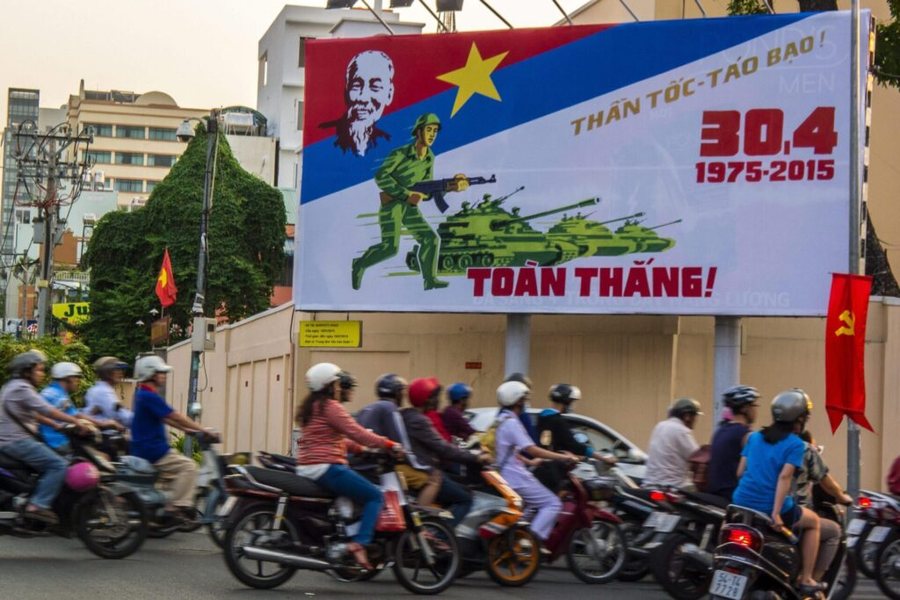
The rapprochement between the two countries continued during both Donald Trump's first term and Joe Biden's administration. Just two years ago, Vietnam appeared to be ready to buy about 10 C-130 military transport aircraft from the US, news that created a stir but never materialized. In the end, Hanoi chose to strengthen military cooperation with Russia and deepen economic ties with China.
Although this move was viewed with surprise in Washington, Vietnam is actually pursuing a clear diplomatic strategy, known as “bamboo diplomacy.” This term describes the country’s political pragmatism: strong roots in defending the socialist system and national independence, but flexible branches that adapt to international circumstances.
In the field of defense, Vietnam implements the policy known as the "four no's":
-no formal military alliance;
-no foreign bases on its territory;
-no positioning against another country;
-and no use of force to resolve international disputes.
In this context, we must also add the stance of Donald Trump, who has shown no great interest in strengthening ties with ASEAN countries. On the contrary, he has hit them with trade tariffs, pushing many governments in the region to move closer to Beijing to mitigate the consequences of American tariffs.
In handling Asian affairs, Trump has often taken a “poker player” approach, but Vietnam has no intention of being either a pawn or a passive figure in the geopolitical game. On the contrary, Hanoi is proving that it has the potential for an independent foreign policy, adapted to the new multipolar order that is taking shape.
The Vietnamese government wants to maintain good relations with the US, but it has no intention of sacrificing any other partner to please Trump. In fact, according to The New York Times, dissatisfaction with the US has increased significantly in Vietnam due to recent decisions by his administration:
-withdrawal of US aid for clean energy and HIV/AIDS programs;
-increase in customs tariffs;
-ignoring requests for a bilateral meeting to resolve the tax issue;
-and, as the "icing on the cake", the new tax on furniture and wooden products "Made in Vietnam", one of the key sectors of the country's economic development.
Meanwhile, many of the US's Asian allies, from Japan to South Korea to Australia, are expressing concern that Trump may be losing Hanoi, a partner once seen as a pillar of American balance vis-à-vis China in Southeast Asia. /Adapted from "Pamphlet" by "Inside Over"


Gjaku i derdhur kurre nuk falet. Shqiptari kurre nuk i fal te tere qe erdhen e i shkaterruan vendin e i vrane e i prene. Dhe lista eshte e gjate. Diplomacia eshte nje tas me mut te mbuluar me cokollate per te gjitha palet. Si i behet? Kush tia nxjerre syte njeri tjetrit u ndertua kjo bote e keshtu do shkoje derisa te zhduket.