


 Shkruar nga Diplomatico | Pamfleti.net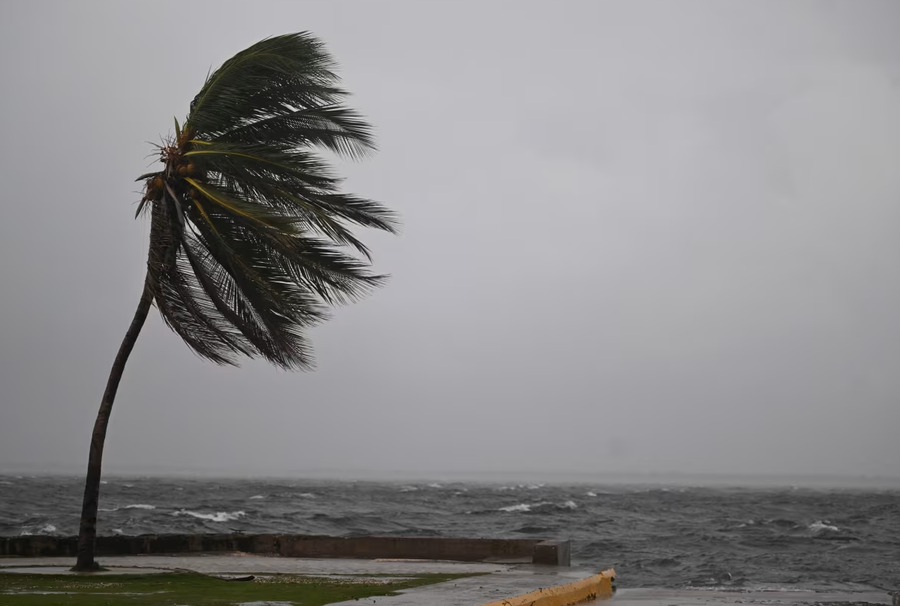
A storm turns into a disaster for Jamaica
Hurricane Melissa, now a Category 5 storm, has made landfall in Jamaica, bringing extremely strong winds, dangerous coastal storm surges with widespread flooding and landslides. Alarming forecasts predict far-reaching consequences: entire communities isolated, widespread power outages, blocked roads and significant human and material losses. This storm is not just a meteorological phenomenon, it is a powerful warning about our climate future.
Jamaica has entered the most dangerous chapter in its modern history as Hurricane Melissa, now a Category 5 monster, has begun to batter its territory with the full fury of nature in turmoil. With unusual intensity and devastating speed, 'Melissa' has transformed in a matter of days from an ordinary tropical storm into a climate nightmare, highlighting how vulnerable island nations are in the face of a frighteningly warming planet.
Ocean surface temperatures in the region have been 2 to 3 degrees Celsius above the seasonal average, giving the storm the “fuel” it needed to transform into an extreme phenomenon. This frightening acceleration is a direct consequence of climate change and global warming; a fact that the international community continues to discuss more at political tables than it addresses with determination. 'Melissa' is not just a storm: it is a brutal reflection of the future that awaits us if we leave the planet at the mercy of emissions and industrial irresponsibility.
This afternoon is expected to be the moment of direct impact. Authorities have declared a state of emergency, called for mass evacuations, while over 1.5 million residents have been placed on red alert. Meteorological forecasts are alarming: up to 1 meter of rainfall in some areas, winds exceeding 250 km/h, power outages, devastating floods and landslides in mountainous terrain. The risks are real and multiple: from the collapse of electrical and road infrastructure, to the disappearance of entire coastal communities.
And that's just the beginning of the crisis. Experts warn that the slowing of hurricane movement, another effect of a warming climate, means Melissa could linger over the island for a longer time, making the devastation deeper and more continuous. This slow movement is one of the most dangerous characteristics of modern storms, which cause more deaths not from winds but from flooding and prolonged isolation.
Internationally, Jamaica is trying to sound the alarm that the world cannot remain indifferent. The Prime Minister has spoken of an “existential moment” and has called for emergency assistance, not only material but also political, directly linking the situation to the need for compensation funds for countries that are suffering the consequences of climate change, without being responsible for the pollution themselves.
This tragedy that has been warned should also be read by smaller countries like Albania and those in the Balkans, which, although not located in the tropical zone, are equally exposed to the effects of global warming: sudden storms, urban flooding, droughts, food disorders and migratory pressure. The Melissa case is a call for reflection on the role that each country has in the global climate architecture, and on the necessity of being not spectators, but active participants in facing challenges that know no borders.
Ultimately, Melissa is more than a storm. It is nature's painful message to humanity: that indifference has a cost. And for Jamaica, that cost is being paid now, in human lives, in economic devastation, and in wounds that will take decades to heal./ Pamphlet






Lini një Përgjigje