


 Shkruar nga Pamfleti
While the peace process remains deadlocked and most of the population lives among the rubble, luxury cafes and pastry shops have sprung up in Gaza, frequented by smugglers, politically connected people and war profiteers...
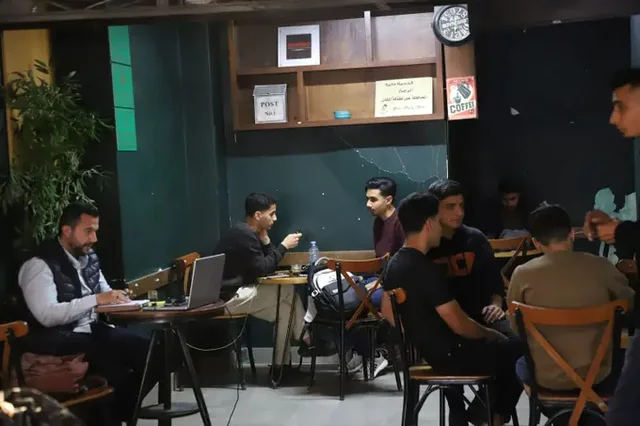
In the center of Gaza City, amidst the destroyed buildings, dusty streets and tents where thousands of displaced families live, a modern café has opened. Inside, light music plays, waiters serve Italian espresso and chocolate cakes and Nutella cakes are displayed in the window.
Images of these establishments have been circulating on social media in recent days, surprising international public opinion. For many outside Gaza, they create the impression that the fragile ceasefire has brought some kind of normality or economic revival to the Palestinian territory.
But the reality on the ground is completely different.
According to an article in the Swiss newspaper "Neue Zürcher Zeitung", behind the facade of luxury lies a war economy, where a minority is enriching themselves through smuggling, political connections and control of humanitarian aid, while the majority of the population struggles every day for survival.
Palestinian journalist Eyad al-Masri, who uses a pseudonym for fear of repression, describes a city divided into two worlds: one between hunger and ruins, the other between expensive coffee and luxury displayed on Instagram.
Espresso at Zurich prices in a war zone
Al-Masri decided to verify for himself the existence of these bars that were being talked about online. He found them in several areas of Gaza City.
In one of the cafes, a milkshake costs around 8 Swiss francs, a piece of cake with Nutella 10 francs, while an espresso reaches up to 18 Swiss francs, prices usually found in the most expensive centers of Europe, not in a territory devastated by war.
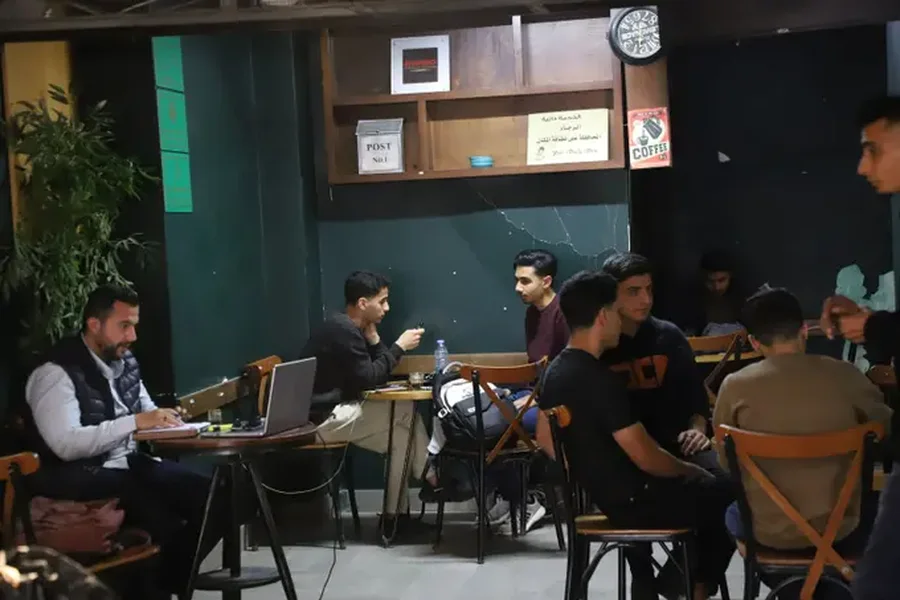
At a time when most residents depend on humanitarian aid for their daily bread, these prices are unaffordable. “That’s the million-dollar question: who can afford it?” says the Palestinian journalist.
According to him, the clients are almost always the same: smugglers who got rich during the war, people with political connections, influential figures and people who have benefited financially from the chaos. “Most normal people can’t afford this luxury. I can’t afford it myself, even though I’m relatively well off,” he says.
Aid money and enrichment on social networks
According to al-Masri, some of the people who are displaying luxury in Gaza today are individuals who in recent years have been raising money on social media claiming to be helping Palestinian families.
“Ata lypnin para në TikTok dhe Instagram, duke treguar vuajtjet e njerëzve. Por shumë prej tyre i përdorën fondet për veten: blenë makina luksoze ose hapën kafene e restorante”, thotë ai.
Në Gaza, kjo sipas tij është një “sekret i hapur”. Hapja e një biznesi të tillë kërkon shuma të mëdha parash. Materialet bazë janë bërë mall luksi: çimentoja, pajisjet elektrike, mobiliet dhe gjeneratorët futen kryesisht përmes kontrabandës nga Egjipti.
Vetëm ndërtimi i një kafeneje mund të kushtojë mbi 50 mijë dollarë. Në një territor ku energjia elektrike mungon për pjesën më të madhe të ditës dhe ku shumë spitale mezi funksionojnë, këto lokale furnizohen me gjeneratorë privatë dhe produkte të importuara në mënyrë ilegale.
Gaza e ndarë në dy botë
Lufta ka krijuar një ndarje të thellë sociale në Rripin e Gazës. Nga njëra anë janë qindra mijëra njerëz që jetojnë në çadra, ndërtesa të dëmtuara ose mes rrënojave. Shumë familje nuk kanë ujë të pijshëm, energji elektrike apo akses të rregullt në ushqim.
Nga ana tjetër është një elitë e vogël që vazhdon të konsumojë produkte luksi dhe të publikojë pamje të jetës së saj në rrjetet sociale. “Për njerëzit që jetojnë mes rrënojave, këto video janë absurde”, thotë gazetari palestinez.
Para sulmit të Hamasit më 7 tetor 2023 dhe luftës që pasoi, gati gjysma e ushqimeve në Gaza prodhohej nga bujqësia vendase. Sot, pjesa më e madhe e tokave bujqësore është shkatërruar dhe popullsia varet pothuajse tërësisht nga ndihmat ndërkombëtare.
Izraeli kontrollon në mënyrë të rreptë hyrjen e mallrave në territor, duke argumentuar se kufizimet synojnë të pengojnë furnizimin e Hamasit me armë dhe materiale ushtarake. Megjithatë, mungesat kanë krijuar një treg të madh të zi. Mallrat futen përmes tuneleve, kamionëve të kontrabandës apo edhe dronëve dhe më pas shiten me çmime shumëfish më të larta.
“Hamasi merr pjesën e vet”
Sipas al-Masrit, Hamasi jo vetëm që e toleron këtë ekonomi kontrabande, por përfiton drejtpërdrejt prej saj. “Hamasi ka ndërtuar një sistem për të cilin edhe mafia italiane do të ishte krenare”, thotë ai.
Sipas përshkrimit të tij, tregtarët që arrijnë të fitojnë para nga kontrabanda marrin telefonata nga persona të lidhur me Hamasin, shpesh nga zyrat e improvizuara pranë spitaleve Al-Aksa ose Nasser.
“Atyre u thuhet: ke dhjetë minuta kohë për të ardhur tek ne. Pastaj kërkojnë para. Mund të jenë 100 mijë dollarë ose më shumë”, tregon gazetari.
Nëse dikush refuzon të paguajë, përballet me kërcënime. “Kjo funksionon si organizatat mafioze”, shton ai.
Një paqe e bllokuar dhe frika nga lufta e re
Ndërsa konfliktet në Liban dhe tensionet me Iranin kanë marrë vëmendjen ndërkombëtare, situata në Gaza mbetet e ngrirë. Pyetja kryesore vazhdon të jetë e njëjta: çfarë do të ndodhë me Hamasin?
Lëvizja islamiste refuzon çarmatimin pa një tërheqje të plotë izraelite nga Gaza. Izraeli, nga ana tjetër, nuk pranon të largohet pa garanci se Hamasi nuk do të mbetet forcë ushtarake.
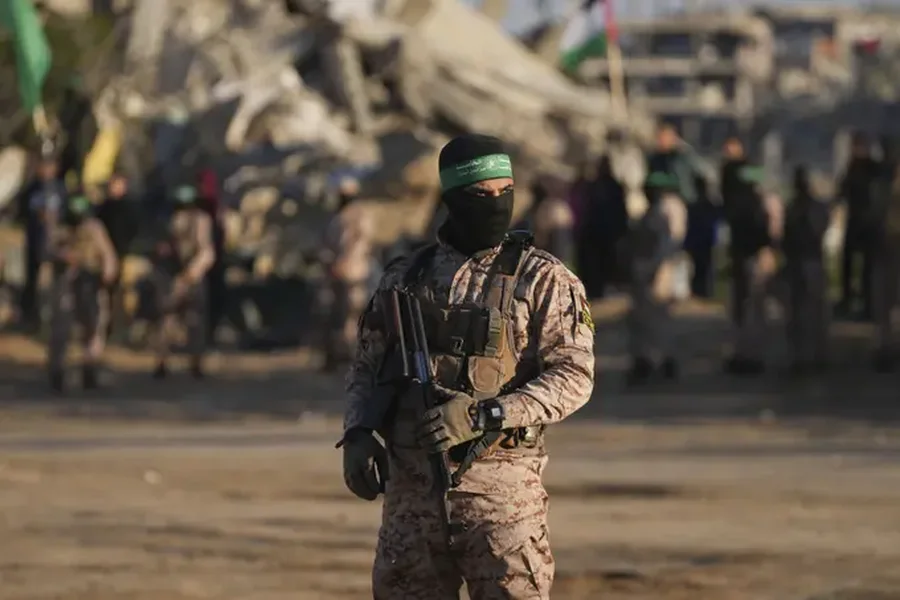
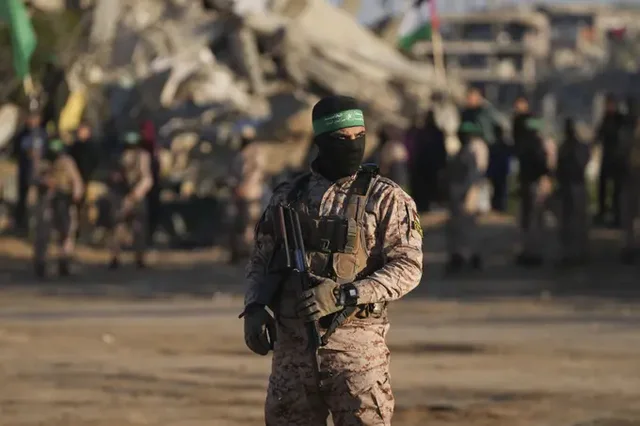
Despite the intense bombardment, Hamas still possesses thousands of armed fighters, parts of the tunnel network, and anti-tank weapons. Israel continues to control over half of Gaza's territory and carries out regular attacks on Hamas targets.
Even international plans to stabilize the territory have remained on paper. Many countries refuse to send troops to an area where fighting could resume at any moment.
"People are afraid to speak up"
According to al-Masri, Hamas has partially lost its military strength, but not its political and administrative control. "Hamas still controls everything," he says.
Administration employees and police officers affiliated with the organization are paid infrequently and with minimal amounts, but continue to support the system in the hope that one day they may become part of a new government or be removed from Gaza.
Meanwhile, reconstruction is almost non-existent. "People live in tents and yet they continue to pay taxes. We have no energy, no education, no functioning health system," says the Palestinian journalist.
According to him, public opposition to Hamas is almost impossible. "Anyone who speaks out against them risks their life." /Adapted from Pamphlet /


Lini një Përgjigje