


 Shkruar nga Pamfleti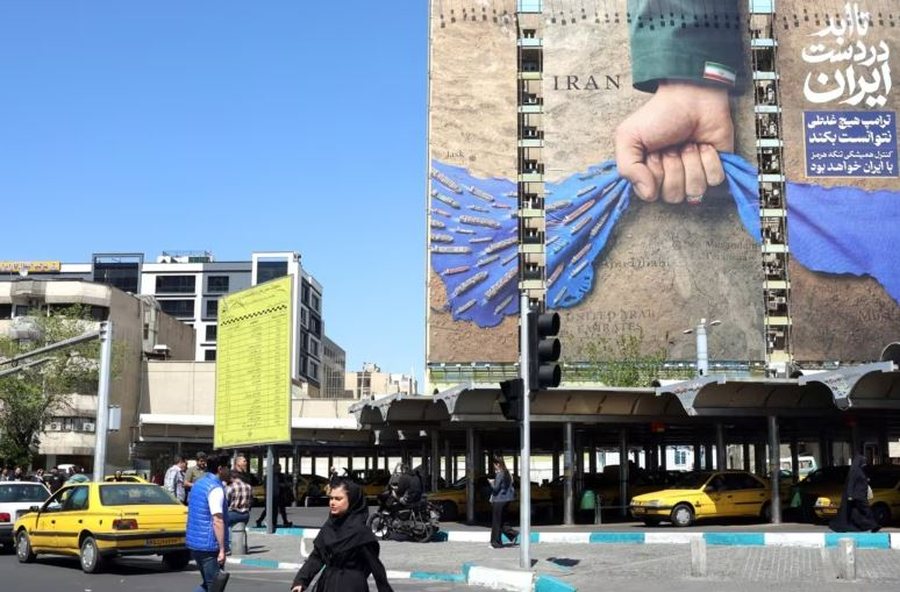
Iran has insisted for weeks that it has the right to impose tariffs on international ships transiting the Strait of Hormuz, a key shipping route off the coast of the Islamic Republic.
Now, two news agencies affiliated with the Islamic Revolutionary Guard Corps (IRGC) have published proposals calling on Tehran to proceed with imposing tariffs on global technology firms that operate undersea fiber-optic cables located in the waterway connecting the Persian Gulf to the open sea.
The reopening of the Strait of Hormuz, which Tehran has effectively closed since the United States and Israel launched an air campaign on February 28, remains one of the main obstacles to ending the war. Tehran claims sovereignty over the strategic waterway, a claim that is disputed by the international community.
Cables under Hormuz
Experts say proposals for Iran to demand payment for undersea cables running under the strait are more of a threat than a workable plan.
"The risk of undersea cables being cut by hostilities has always existed, but an open threat from a state like Iran adds urgency," Isik Mater, director of research at the London-based internet monitoring group NetBlocks, told Radio Free Europe.
The undersea cables are mainly owned and operated by international technology companies such as Google, Meta, Microsoft and Amazon. These cables carry SWIFT transactions, traffic and general internet data between Asia, Europe and the Persian Gulf.
If the undersea cables running through Hormuz were to be severed, the impact on ordinary people across Asia, the Middle East, and Europe would be immediate and huge.
Online streaming services would be disrupted or completely fail. Messaging apps would slow down or completely fail. Video calls would be disrupted. Online banking and credit card payments would be disrupted. Internet services from emails to other devices used in the workplace would be degraded.
Internet providers could reroute traffic through remaining functioning cables or satellites, but capacity is limited, which would mean slower speeds for everyone, even where connectivity would still exist. Repairs typically take weeks, sometimes months.
What is the proposal?
The Tasnim and Fars news agencies argued that Iran should not only benefit financially but also exercise sovereignty over the network of undersea cables that cross the strait.
Baza ligjore e këtyre propozimeve mbështetet në Konventën e Kombeve të Bashkuara për ligjin e detit (UNCLOS), të cilën Irani e ka nënshkruar, por kurrë nuk e ka ratifikuar.
Duke iu referuar nenit 34 të kësaj konvente, agjencia Tasnim argumentoi se të drejtat e kalimit transit për anijet nuk i zbehin të drejtat sovrane të Iranit mbi shtratin e detit. Në pikën më të ngushtë të kësaj rruge detare, pretendimet për ujërat territoriale të Iranit dhe Omanit mbivendosen plotësisht, çka do të thotë se kabllot fizikisht ndodhen në territorin që Irani pretendon se i përket.
Ndërtimi i kabllove në atë zonë pa autorizim, pretendoi Tasnim, përbën “pushtim të tokës iraniane nën ujë” dhe kërkon si licencim, ashtu edhe pagesa tarifore.
Modeli i të ardhurave është marrë pjesërisht nga Egjipti, për të cilin Tasnim pretendoi se fiton qindra miliona dollarë në vit nga kabllot nënujore që kalojnë përmes Kanalit të Suezit.
Tasnim dhe Fars argumentuan po ashtu se Irani duhet t’i detyrojë gjigantët e teknologjisë që të operojnë zyrtarisht sipas ligjeve iraniane dhe të bashkëpunojnë me kompani iraniane të teknologjisë. Fars e përshkroi qëllimin në mënyrë të qartë si shndërrimin e kontrollit të Iranit mbi Ngushticën e Hormuzit në një “mjet të fuqisë digjitale”, ku kompanitë iraniane do të kontrollonin mirëmbajtjen dhe riparimin e kabllove.
A qëndron ky argument?
Ekspertët thonë se argumentet ligjore të paraqitura nga agjencitë iraniane të lajmeve kanë dobësi të konsiderueshme.
Megjithëse shtetet bregdetare ruajnë sovranitetin mbi shtratin e detit të territorit të tyre, Tasnim në artikullin e saj e injoron Nenin 79 të UNCLOS-it, që mbron në mënyrë të qartë të drejtën e ofruesve globalë të internetit për të ndërtuar dhe mirëmbajtur kabllo nënujore.
Mater nga NetBlocks tha se krahasimi me Egjiptin “ka peshë të kufizuar”, sepse Kajroja “licencon kalimin dhe pikat e zbarkimit në territorin e vet, dhe këto marrëveshje janë bërë në mënyrë vullnetare”.
“Në të kundërtën, pozicioni i Iranit është më i brishtë dhe megjithëse ka kontroll mbi ujërat e tij territoriale, ai nuk zotëron një pjesë të konsiderueshme të këtyre rrugëve”, shtoi ajo.
Mater tha se “shenja më alarmuese” e këtyre propozimeve është kërkesa që kompanitë ndërkombëtare të teknologjisë të detyrohen të operojnë zyrtarisht sipas ligjeve iraniane dhe të bashkëpunojnë me kompani iraniane të teknologjisë.
Sipas ligjit iranian, “komunikimet zakonisht kontrollohen dhe monitorohen, edhe pa marrë parasysh sanksionet dhe pengesat gjeopolitike”, tha ajo.
“Kjo bën që kërkesa e Iranit të duket më shumë si një tarifë ‘mbrojtëse’ e ngjashme me atë që kanë bërë me cisternat, dhe larg çdo lloj marrëveshjeje konvencionale për licencimin e transitit që zakonisht shohim në industri”, tha Mater.
Before the US imposed a naval blockade on the Strait of Hormuz in mid-April, Iran was charging commercial ships up to $2 million to pass through the strait, although few ships were passing through. Maritime traffic in the strait has been almost completely halted since the US blockade.
Iran has a history of imposing severe restrictions on internet use. Authorities have had an internet blockade in place since February 28 and have refused to restore access since the ceasefire took effect on April 8.
"Iranian authorities have not hesitated to cut off their citizens' connection to the internet and may even attempt to cut off external connections if their demands are not met," said Isik Mater of NetBlocks.
"Although international cables are not under Iran's direct control, sabotage via ship anchors or diving teams would be within their capabilities in the strait," she added./REL






Lini një Përgjigje