


 Shkruar nga Pamfleti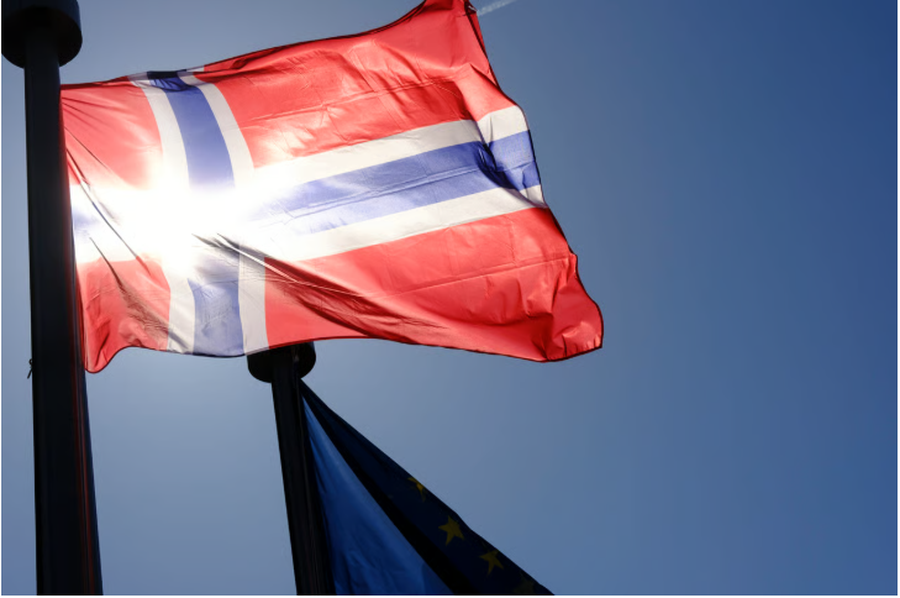
The upcoming referendum in Iceland on the resumption of negotiations with the EU is bringing back the debate about membership in Norway as well.
Pro-European Union activists in Norway are trying to bring the issue of EU membership, a topic that has been off the political agenda in the country for decades, back to the center of public debate. This time, the push is not coming from Oslo, but from Reykjavik.
In August, Iceland will hold a referendum on whether to resume membership negotiations with the European Union. Supporters of European integration in Norway believe that a positive result in Iceland could open a new political window for their country as well.
"This summer we need to create a critical mass around the EU issue," declared Trine Lise Sundnes, a Labour Party MP and leader of the pro-European organization "European Movement", which has been campaigning for Norway's EU membership for 80 years, Politico writes.
Norway and Iceland have a similar relationship with the European Union. Both are part of the European Common Market through the European Economic Area (EEA) Agreement, but are not full members of the union. This model has ensured deep economic integration without full political involvement.
However, according to supporters of membership, the geopolitical situation and the expansion of the EU's role in areas such as security and industrial policy have changed significantly compared to the period of the last Norwegian referendum in 1994.
"The EU that was discussed in 1994 no longer exists," said Sundnes. According to her, Norway now implements most European legislation without having any influence on its drafting.
Supporters of integration argue that over 90 percent of EU laws already apply to Norway through existing agreements. They point out that the country pays significant financial contributions and participates in the common market, but has no representation in European decision-making institutions.
On the other hand, opponents of membership remain active across the political spectrum. The organization “Nei til EU” (“No to the EU”) continues to oppose any attempt at new negotiations.
Alexander Fossen Lange, a representative of the organization, argues that the current model works and that Norway risks losing control over key policies such as agriculture, fisheries and the labor market. He also points out that Norway's influence within European institutions would be limited due to the country's small demographic weight.
There is also skepticism towards the EU on the political right. The Progress Party, which is currently leading in some polls, supports economic cooperation with the union but opposes expanding Brussels' powers in national matters.
The debate is also being influenced by changes in the European security architecture. Some pro-membership politicians argue that uncertainty about American support within NATO makes rapprochement with the European Union more important.
However, the majority of Norwegian citizens continue to view the current relationship with the EU as “good enough.” Polls show that support for membership has only increased slightly, while the number of undecided people, especially among young people, is gradually increasing.
Supporters of integration hope that the Icelandic process can serve as a model for Norway. In Iceland, voters will initially decide only whether negotiations should resume, not on final membership.
According to Sundnes, if Iceland reaches a favorable agreement with the EU, this could gradually change public perception in Norway as well.




Lini një Përgjigje