


 Shkruar nga Pamfleti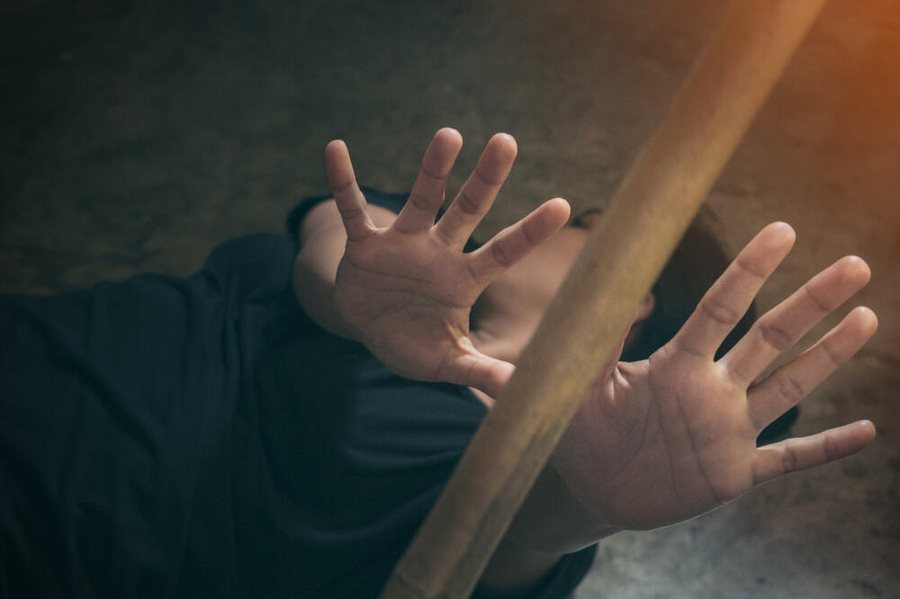
Crime networks in Tuz and Podgorica torture debtors with inhumane methods, while the state remains silent; an alarm that should shock the entire region...
In Montenegro, organized crime is taking on increasingly brutal proportions, and the latest case uncovered by the local media on the phenomenon of zelenašenje (usury) represents a dark and dangerous reality for public order and society as a whole. We are talking about a structured criminal network that has been operating for years in the Tuzi and Podgorica areas, with methods that exceed the limits of any human or legal norm: brutal beatings, broken bones, ear cutting, rape, sexual blackmail and extreme intimidation; these are just some of the control and payment mechanisms that this group uses to collect its debts.
This is no longer an isolated case, but part of a widespread phenomenon throughout the Balkan region, where criminal structures, often with connections in politics, the police or business, use violent forms to exert pressure on the weakest individuals in society, usually people who, due to poverty, illness or unemployment, fall into the trap of borrowing at high interest rates.
In the specific case, published by "Vijesti", the group led by the Dreshaj brothers had transformed its activity into an industry of violence and exploitation, where not only was the repayment of debt at illegally inflated interest rates demanded, but in some cases, according to evidence, sex was demanded in lieu of unpaid installments, often by blackmailing the debtors' family members.
Montenegrin state institutions have failed to stop this phenomenon. The police and the prosecution have not taken strong action for years, while many victims do not dare to denounce, afraid of retaliation and distrust of justice. This institutional vacuum further fuels the parallel system of "mafia justice", where crime sets its own rules, punishes, threatens and rules.
The phenomenon of usury is not only a criminal problem, but it is a reflection of a rotten social and economic system, where people are left to their fate, without access to bank loans, without social assistance, without hope. And in this climate, criminal clans offer “quick fixes”, but at a price that ruins human life. It is no coincidence that these networks operate most in regions with marginalized communities, with low state presence and high influence of tribal or clan ties, which make it even more difficult to separate society from crime.
This situation in Montenegro has direct repercussions for Albania as well. The open border, cross-border criminal networks and the economic model of a Balkans that runs on weak state-building foundations, make organized crime a regional problem. Albania is not exempt from the phenomenon of usury and illegal pressure on citizens in need. But what is happening in Montenegro, the use of sex, torture and fear as the currency of a parallel criminal economy, constitutes an alarm that should not be neglected.
Instead of being treated as chronic peripheral cases, these phenomena should be investigated as a permanent structure of organized crime, which survives on the weakness of the state and the silence of society.
The media, as in the case of the newspaper Vijesti, is playing a vital role in exposing these crimes; but this is not enough if it is not accompanied by direct action by the prosecution authorities and a tough criminal policy against zelenašenje and any form of violence for financial gain.
In the end, this is a war between two worlds: legal and illegal, state and mafia, justice and fear. To remain silent in the face of it is to become a silent accomplice./ Pamphlet




Lini një Përgjigje