


 Shkruar nga Akhtar Makoii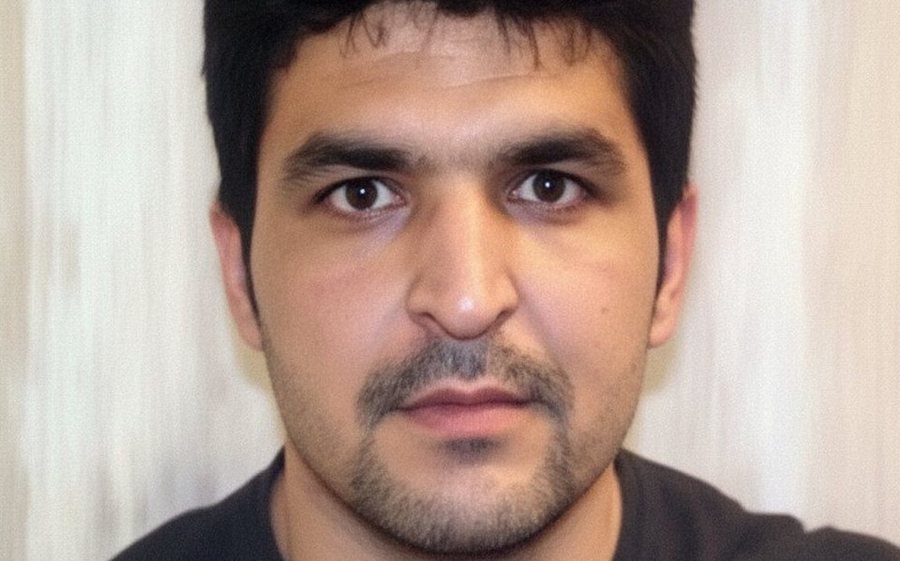
Rahmanullah Lakanwal, the Afghan accused of killing two National Guard members, served in a unit that was notorious for acting above the law…
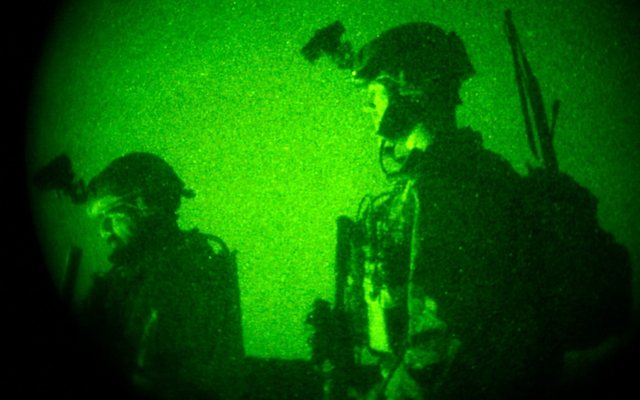
Helicopters landed in the village of Chowchal early in the morning, as autumn darkness had covered the Afghan mountains.
Shiragha and his 12-year-old son, Nizami, were outside, leading sheep to mountain pastures in the pre-dawn cold.
When the villagers heard the sound of the propellers, they ran for cover. Shiragha and Nizam ran too, scrambling across the rocky ground towards the house. They were still in the open sky when the attack occurred.
"After their planes left the scene, we all rushed towards the bombing sites," their Afghan relative told The Telegraph, adding "some bodies were burning. The whole village was shaking."
Nizam's head had been blown up meters away from his body, and smoke was coming out of it.
"Collecting his bones was almost impossible. There were so many pieces," the relative said. According to him, no one could describe his mother's grief. She screamed and threw things at her head.
Local officials told them they had no authority over the attack. It was carried out by what they called "unit zero," the forces responding to the Americans.
Seven years later, on a Wednesday afternoon in Washington, DC, Rahmanullah Lakanwal, a member of the same unit, reportedly approached two American soldiers standing guard near the White House and opened fire.
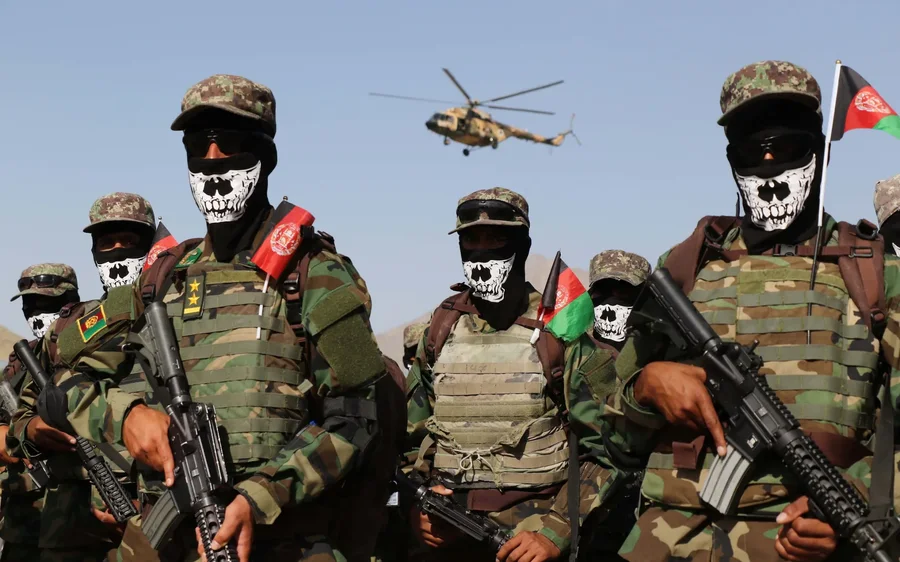
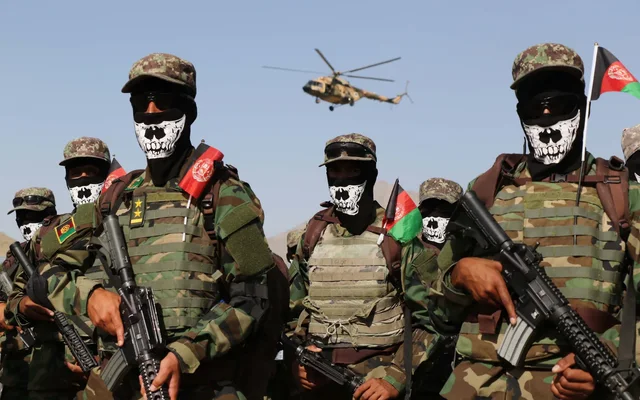
Lakanwal, 29, had been a commander in Unit 01, one of the most elite, notorious and deadly strike forces in Afghanistan.
The unit, trained and supervised by the CIA, was supposed to be Afghanistan's best defense against the Taliban and al-Qaeda. But it was often accused of doing whatever it wanted.
Their operation would even push the Afghans towards the very insurgents they were intended to destroy.
The regional strike forces have their origins in the chaos of 2001, when the United States joined forces with local militias to overthrow the Taliban.
But what is said to have happened on Wednesday afternoon began decades ago, in the shadow war that the CIA waged in Afghanistan through local fighters who operated above the law, without any accountability and without mercy.
As the militants fled towards Pakistan, the CIA organized these irregular fighters into units that could pursue them across borders and into remote valleys where conventional forces feared to tread.
Në Provincën Khost, ku u rrit Lakanwal, rrjeti Haqqani mbajti rrënjë të thella dhe al-Kaeda gjeti strehë. CIA ndërtoi në provincë ekipin e saj të parë të ndjekjes kundër terrorizmit, i cili fitonte trefishin e pagës së ushtarëve të rregullt afganë.
Kmbet e Bashkuara dokumentuan modele të qëndrueshme të vdekjeve të civilëve, torturave dhe shkatërrimit të pronës nga këto njësi. Një raport nga OJQ-ja ndërkombëtare, Human Rights Watch (HRW), gjeti 14 raste në të cilat forcat sulmuese afgane të mbështetura nga CIA "kryenin abuzime serioze midis fundit të vitit 2017 dhe mesit të vitit 2019".
Raporti pohoi se abuzimet në disa raste arritën në krime lufte.
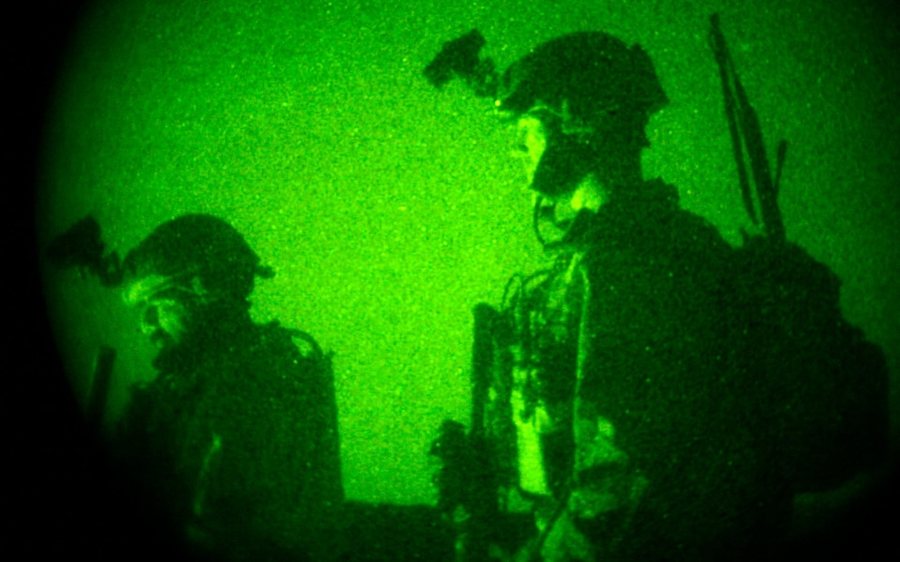
Njësitë speciale u vendosën kryesisht së bashku me forcat amerikane për të ndjekur kryengritësit në bastisjet e natës “vrit ose kap”.
Luftëtarët e njësisë u trajnuan dhe u pajisën nga agjentë dhe kontraktorë të CIA-s, të cilët mbajtën një prani në bazat e tyre të paktën në Khost dhe Kandahar, me të paraburgosurit që më vonë raportuan tortura dhe abuzime.
Ata morën informacione nga inteligjenca amerikane dhe operuan me një nivel autonomie që komandantët ushtarakë afganë vetëm mund ta ëndërronin.
Në kulmin e luftës, mijëra prej këtyre luftëtarëve vepronin në provinca të shumta, të përcaktuara zyrtarisht si komponentë të drejtorisë kombëtare të sigurisë së Afganistanit, por që funksiononin kryesisht si asete të CIA-s.
Gjatë operacioneve, forcat goditëse shpesh komunikonin në anglisht, duke e bërë lidhjen e tyre me praninë amerikane të pagabueshme për ata që ishin të sintonizuar në radiot e tyre.
Por një zinxhir i lirshëm komande dhe raportimi ndaj forcave amerikane ngjalli pakënaqësi tek vendasit dhe qeveria afgane.
Në fakt, Hamid Karzai, ish-presidenti i Afganistanit, kaloi vite duke u përpjekur të frenonte bastisjet e natës të forcave sulmuese, pasi ato zemëronin fshatarët dhe i kthenin ata kundër qeverisë së tij.
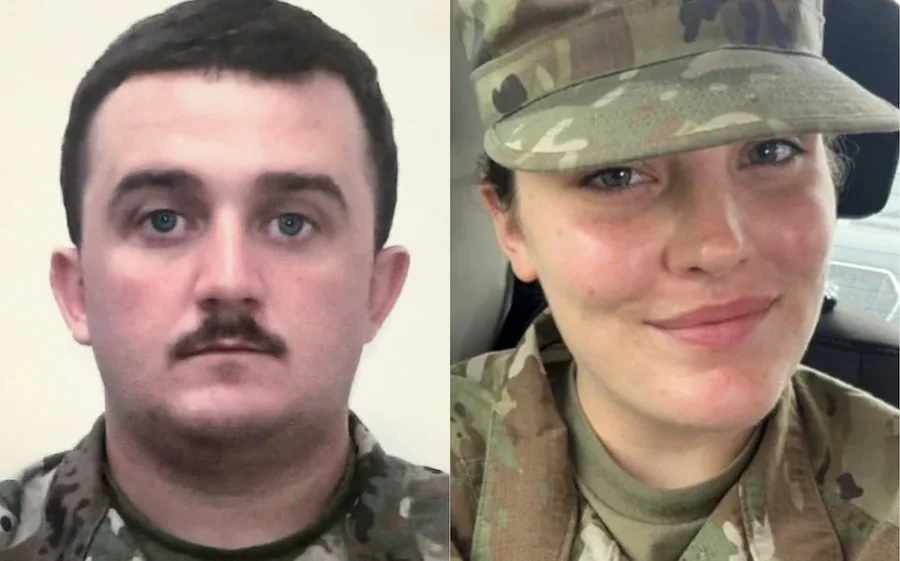
Lakanwal punoi përkrah trupave amerikane në Kandahar, fortesën e talebanëve. Ai u evakuua në Amerikë pasi Kabuli ra në vitin 2021, sipas skemës së epokës Biden "Allies Welcome". Atij iu dha azil nga administrata Trump këtë vit.
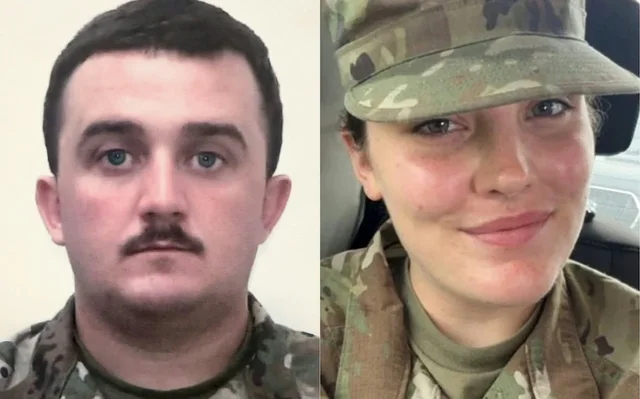
Por javën e kaluar, ai akuzohet se ka udhëtuar me makinë nga shteti i Uashingtonit në Uashington DC dhe ka qëlluar me armë dy anëtarë të Gardës Kombëtare, të cilët ishin betuar në shërbim më pak se 24 orë më parë. Njëra nga ushtaret, 20-vjeçarja Sarah Beckstrom, vdiq nga plagët e marra të enjten. Tjetri, 24-vjeçari Andrew Wolfe, po “lufton për jetën e tij”, sipas Donald Trump .
Lakanwal është akuzuar për vrasje të shkallës së parë dhe po përballet me dënimin me vdekje.
Sulmi dukej i pashpjegueshëm, një shpërthim i papritur dhune vetëm një hap larg qendrës së pushtetit amerikan.
Por një mik i fëmijërisë së zotit Lakanwal i tha gazetës The New York Times se ai ishte i shqetësuar nga viktimat që kishte parë dhe vuante nga shëndeti i tij mendor.
Rangin Dadfar Spanta, the former Afghan national security adviser, said that 13 years ago, Rahmanullah Lakanwal, then just 16 years old, entered the service of the CIA's special forces.
"He participated in the killing of Afghans, until the last days of the American withdrawal from Kabul," Spanta said, adding, "he worked alongside them at the city's airport and in September 2021 left Afghanistan in their company. However, who bears the greater blame: the people of Afghanistan or those who taught him the craft of killing from his youth until today?"
A former member of the unit admitted in an interview with The Telegraph that its fighters often struck Taliban targets in areas where civilians lived.
He said the unit's helicopter operations were supported by US drones overhead. "Many of the attacks were planned at night with the help of US drones," he added.
The former fighter also recalled instances when the unit was sent incorrect coordinates, leading to attacks that resulted in the deaths of civilians.
In the village of Khowja, in the north of the country, helicopters came during a dispute over water on the morning of 2017.
Neighbors were arguing over irrigation rights to a small river when the villagers spotted the black plane approaching. They knew what was coming; everyone in rural Afghanistan had learned to recognize the sound.
One resident told The Telegraph newspaper: “We knew the black helicopters would shoot without warning, so we started running towards the fields.”
The attacking forces opened fire from the sky. Two men were shot and killed. One of the men, about 50 years old, was so far removed from the wars of Afghanistan that his relative was certain that "he didn't even know who was in power in Kabul."
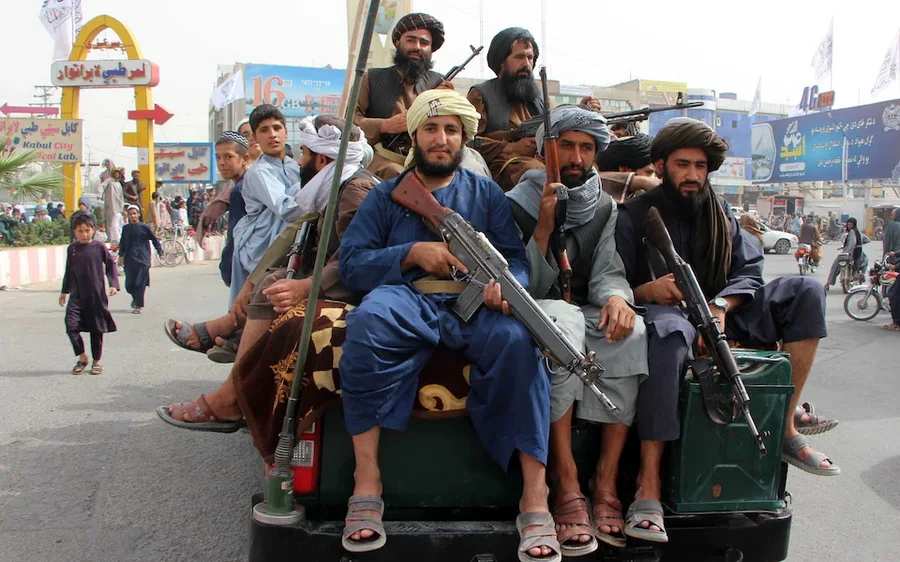
Residents said the bodies of unintended targets lying on the ground were set on fire. The two men had no ties to the government or the Taliban.
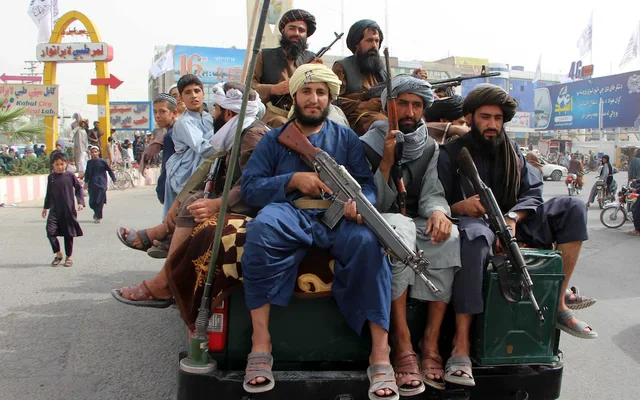
When troops withdrew in 2021, the Taliban negotiated for the units to disband, leaving many of the once ruthless fighters stranded.
Without protection, many fled the country. Mr. Lakanwal managed to make it to the US.
Those who live near Mr. Lakanwal in his $2,000-a-month apartment in Bellingham, Washington state, said they often saw him playing war video games such as “Call of Duty” and that his family slept on couch cushions instead of beds.
Mr. Trump has now pledged to review every Afghan immigration application approved under Joe Biden.
Holding up a picture of a crowded evacuation flight during a speech to service members on Thanksgiving Day, Trump said: “It was a total mess... People crammed into the plane. And the strongest, the leanest, the most physically fit got on the plane, not the people we were looking for, or that they wanted to bring in.” / Adapted from The Telegraph /


Lini një Përgjigje