


 Shkruar nga Pamfleti
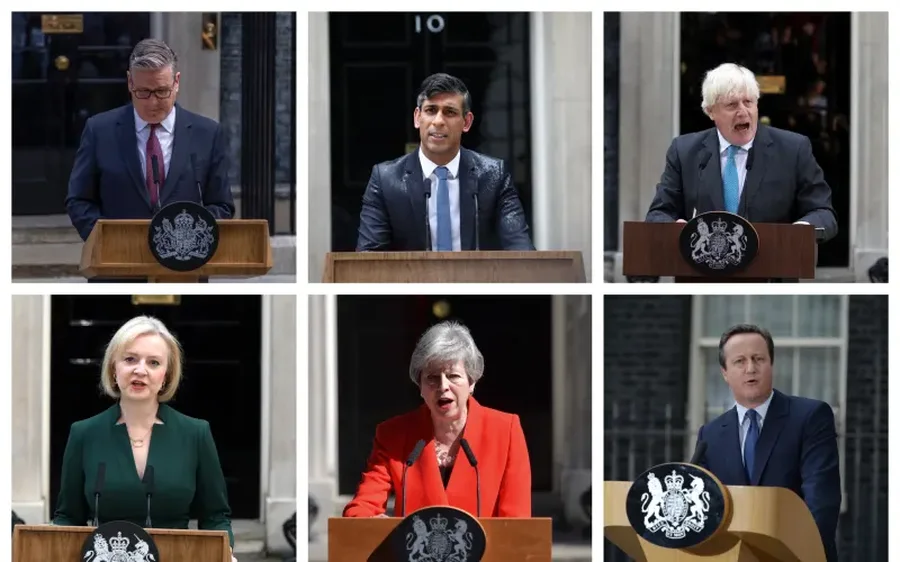
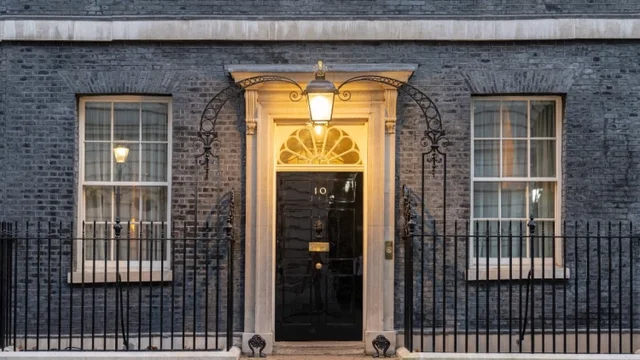
Since the Brexit referendum, Britain has seen Cameron, May, Johnson, Truss, Sunak, Starmer and, it seems, soon Andy Burnham enter and leave the prime ministerial office of "10 Downing Street."
There have been times when prime ministers in Britain seemed doomed to leave office almost immediately after taking office. Major strategic decisions were repeatedly postponed, public finances were constantly shaken, reforms clashed with organized interests, and political life was dominated by personal rivalries, intrigues, and successive leadership crises.
This description does not apply to today's Britain, but to the French Fourth Republic, the political system that emerged after World War II and collapsed in 1958, handing power to General Charles de Gaulle. However, for many analysts, the similarities to today's British reality are now unsettling.
Place of constant leadership changes
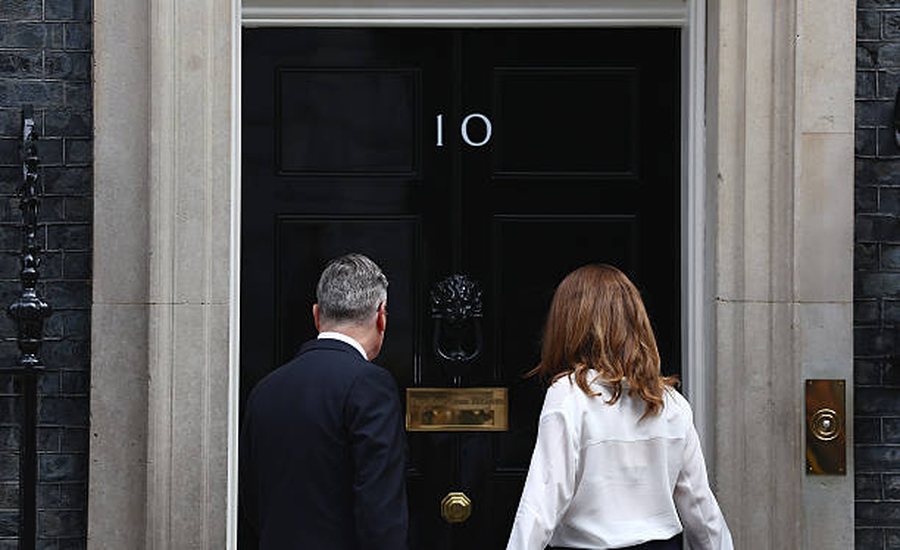
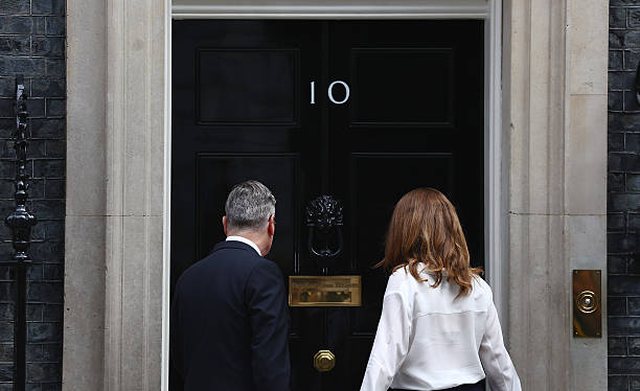
Keir Starmer resigned after a period of intense internal party pressure, but his story is part of a wider pattern.
Since the 2016 Brexit referendum, Britain has seen David Cameron, Theresa May, Boris Johnson, Liz Truss, Rishi Sunak, Keir Starmer and, apparently, soon Andy Burnham pass through the ranks of prime minister. At the same time, the country has changed eight finance ministers and nine foreign ministers in a decade.
Historian Anthony Sheldon, author of "The Impossible Office?", argues that there is no precedent in modern British history for such a sharp change of leaders in such a short period of time. Even the periods of political instability in the 18th and 19th centuries cannot be compared to the current situation.
Politics has no time for government.
The problem is not limited to changing faces at the top. Each new prime minister reorganizes the government, puts his own people in key positions, and changes priorities. This means that the entire state apparatus is forced to start from scratch.
Former chief secretary to the government, Gus O'Donnell, recalls asking David Cameron, before he became prime minister, to keep ministers in the same positions for as long as possible, so that they had time to understand their portfolios and produce work.
The reality turned out differently. In some cases, the same ministry changed nine ministers within five years. A typical example is the pension system, an area that requires long-term planning but has found itself blocked by constant political changes.
The illusion of rapid change
The crisis that led to Starmer's downfall was accompanied by a common demand from almost all sides of the political spectrum: more change, and faster.
However, experts emphasize that meaningful reforms do not come through slogans or impressive speeches.
They require planning, public consultation, legislative intervention, financial resources and, above all, time. As Kath Hunton of the Institute for Governance notes, effective governance requires the opportunity to learn who is in office, to implement policies and to complete projects. As prime ministers are increasingly dismissed, this opportunity disappears.
When survival becomes the only priority
The threat of dismissal can be almost as devastating as the dismissal itself.
Theresa May's experience is a prime example. After the 2017 election and the loss of her parliamentary majority, her government became almost entirely immersed in Brexit.
Issues such as social policy, domestic violence, or welfare reform took a back seat, as the prime minister was consumed by the fight for political survival.
A similar picture was recorded under John Major in the 1990s, when "Black Wednesday" and the currency crisis trapped the government in a permanent state of protectionism.





Lini një Përgjigje