


 Shkruar nga Pamfleti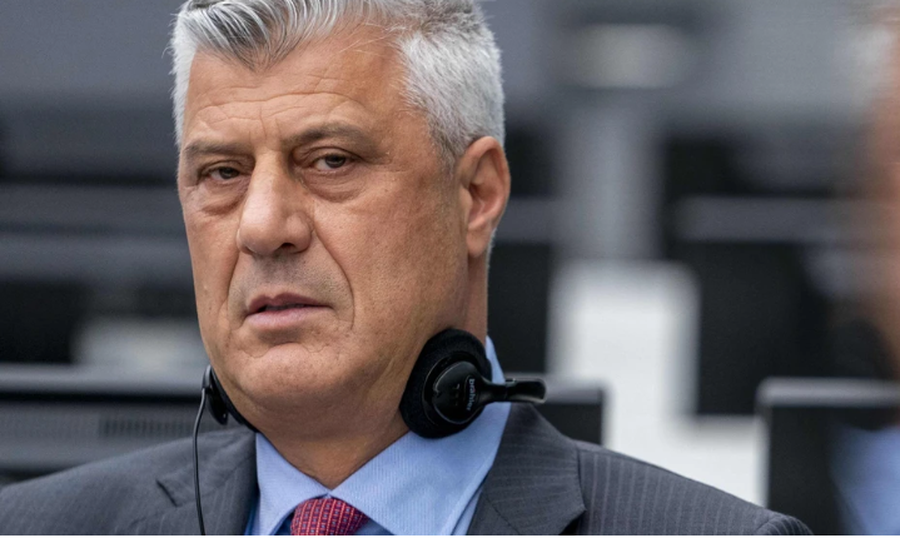
Former President of Kosovo, Hashim Thaçi, gave an interview to Frankfurter Allgemeine Sonntagszeitung where he spoke, among other things, about the trial taking place against him in The Hague.
Regarding the trial, Thaçi said that courts should deliver justice and not sentences based on fraud. He added that he hopes that this process will contribute to truth, justice and dignity. According to him, the judges have heard and seen the truth, adding that the only question that remains is what they will do with it.
Regarding his father's death, Thaçi emphasized that it was a great loss and that the inability to attend the funeral ceremony is a pain that he will remember for the rest of his life.
Mr. Thaçi, please accept my belated condolences on the death of your father. I think this loss must have been especially difficult, since you were unable to attend his funeral. In one of your previous interviews, you stated that you have no intention of returning to politics if you are acquitted of the charges against you and are able to return to Kosovo as a free man. Is this true? Has the life of politician Hashim Thaçi irrevocably ended?
Thaçi: I really appreciate your kind words about my father's death. It was a great loss for my family and for me personally. I am now in my sixth year of pre-trial detention and am still awaiting a court decision. The inability to attend my father's funeral and express my respect has deeply wounded me, a pain that I will carry for the rest of my life. You ask if my political life is over.
I see the political race behind me, but not my political life. As a free citizen of Kosovo, I will continue to serve the public and the state in the future. I bow to the people of Kosovo who have shown me trust, respect and support for my political vision for two decades. I also express my deep gratitude to our international partners who have worked closely with me to realize the will of the people for freedom and independence. I feel fulfilled in my political career.
Your defense team argues that there was no clear chain of command within the KLA, which means that you and your co-defendants cannot be held responsible for the crimes committed on the ground, as you simply had no control over them.
Several witnesses at your trial supported this view. On the other hand, even your lawyers do not deny that individual members of the KLA committed war crimes. If these crimes occurred, but there was no chain of command, then who should be brought to justice instead of you and your co-defendants?
Thaçi: I fully support the arguments that my defense team presented to the court after consulting with me. The Kosovo Specialist Chambers (KSC) are truly the fourth mechanism led by the international community, after the ICTY (International Criminal Tribunal for the former Yugoslavia), the ICTY courts (UN Transitional Mission in Kosovo) and EULEX (EU Rule of Law Mission).
Each of these institutions has conducted extensive investigations into the issues surrounding the years 1998 and 1999 in Kosovo and has drawn conclusions about who is responsible for the abuses. The purpose of the establishment of the DSO was to investigate the allegations in the Dick Marty report, in particular the allegations of organ trafficking made by Russian representatives to the Council of Europe. This is what the EU presented to Kosovo and this is what the Kosovo Parliament voted for when it decided to join the establishment of this tribunal.
In contrast, our indictment and the Special Counsel’s case file contain nothing about any such allegation. Not even a mention. The allegations were false and were apparently deemed unworthy of further investigation by the DSO. Even General Clark, in his testimony, described the allegations in Dick Marty’s report as a Russian disinformation campaign. As is well known, the Russians later made similar allegations against Ukraine as part of their own scheme of aggression. Some time ago, Professor Daniel Serwer visited me in The Hague.
He later wrote that he too had supported the creation of a court to deal with the Dick Marty report and that, in his opinion, the situation was a kind of bait: The Kosovo Parliament believed, as he and I did, that the focus of the court would be primarily on organ trafficking charges. He went on to say that courts of this kind should deliver justice, not convictions based on fraud, and that no future liberation movement would ever agree to such a court.
Our hope now is that this process will contribute to truth, justice and dignity. I am convinced that the judges have heard and seen the truth. The only question that remains is what they will do with it.
The state of Kosovo spends a lot of money on defendants in The Hague, for example by paying for visits by family members. Should the state of Kosovo also pay compensation from its budget to victims of crimes committed by members of the KLA? Currently, this is not happening.
Thaçi: Kosovo's support for individuals facing criminal proceedings in The Hague, outside Kosovo, including basic humanitarian assistance, such as family visits, reflects our belief that every human being deserves dignity and a fair trial. This is standard practice in democratic societies.
Në të njëjtën kohë, Kosova nuk i ka harruar kurrë viktimat. Institucionet tona tashmë kanë krijuar mekanizma për t’i mbështetur ato. Ndërsa Kosova vazhdon të zhvillohet, qëllimi do të jetë të ndihmohen të gjithë ata që kanë vuajtur dhe po vuajnë. Pak vende në botë kanë marrë përsipër një përgjegjësi të tillë.
Edhe nëse anëtarë individualë të UÇK-së kanë kryer krime, shkalla e këtyre krimeve nuk mund të krahasohet me atë që forcat serbe të sigurisë dhe paraushtarakët kryen në Kosovë në vitet 1998/99. A ekziston rreziku që gjyqi kundër jush dhe të bashkëpandehurve tuaj të shtrembërojë kuptimin historik të asaj që ndodhi në Kosovë në vitet 1990, pasi vëzhguesit sipërfaqësorë mund të krijojnë përshtypjen se të dyja palët kryen krime po aq të rënda?
Thaçi: Ky është një shqetësim legjitim i ndarë nga shumica dërrmuese e njerëzve në Kosovë dhe më gjerë. Ngjarjet e viteve 1990 janë të dokumentuara mirë. Kjo nuk është çështje interpretimi është pjesë e fakteve të vërtetuara, të regjistruara përmes dokumenteve dhe raporteve diplomatike, organizatave ndërkombëtare, tribunaleve dhe vëzhguesve në terren. Të ashtuquajturat “prova” të fabrikuara gjatë epokës së Millosheviqit nuk duhet të përdoren në asnjë gjykatë ose të trajtohen si fakte të vërtetuara.
Pjesa më e madhe e asaj që u fabrikua shërbeu për të ndikuar, jo për të vërtetën. Nëse e pranojmë këtë, nuk do të jetë çudi nëse pretendimet dhe trillimet e ardhshme të Putinit pranohen në mënyrë të ngjashme si të vërteta dhe përdoren kundër Presidentit Zelensky dhe rezistencës ukrainase. Në të kundërt, Kosova kurrë, në asnjë kohë dhe në asnjë rrethanë, nuk sulmoi asnjë centimetër të territorit serb.
Duhet të kujtojmë se populli i Kosovës po luftonte kundër shtypjes; ata po luftonin fjalë për fjalë për të drejtën e tyre njerëzore për të ekzistuar në këtë tokë. Bëhej fjalë për mbijetesën e tyre si individë dhe si popull. Ky proces nuk duhet të përdoret si një mjet për të rishkruar historinë dhe për të zvogëluar vuajtjet e vërteta të një populli.
Gjyqi kundër jush dhe të bashkëpandehurve tuaj është gjithashtu me rëndësi të madhe për Perëndimin. Nëse shpalleni fajtor, kjo do të thotë që Perëndimi (NATO) bashkëpunoi me një kriminel lufte në bombardimin e Serbisë në vitin 1999. A ndjeni njëfarë nervozizmi midis disa aktorëve në Perëndim në lidhje me një rezultat kaq të mundshëm? (Shënim personal për sqarim: Sipas mendimit tim, ndërhyrja e NATO-s në vitin 1999 ishte e justifikuar dhe e nevojshme – nëse kishte ndonjë gjë, erdhi vite me vonesë.)
Madeleine Albright shkruan në kujtimet e saj se në Rambuje nuk mund të merrje vendime vetë, por duhej të mbaje kontakt të vazhdueshëm me UÇK-në në Kosovë për të pyetur se me cilat kompromise mund të bieshe dhe me cilat jo. Kjo duket të jetë një provë e mëtejshme se pushteti juaj nuk ishte aq i madh sa pretendon prokuroria. A do ta përdorni këtë argument në mbrojtjen tuaj?
Thaçi: Ndërhyrja e NATO-s në vitin 1999 u udhëhoq nga vlerat thelbësore perëndimore të lirisë, drejtësisë, të drejtave të njeriut dhe mbrojtjes së jetës njerëzore. NATO na erdhi në ndihmë sepse kuptoi se kush ishim, çfarë përfaqësonim dhe çfarë po kalonim nën Millosheviqin. Ata e panë gjendjen tonë të vështirë. Në konferencën ndërkombëtare në Rambuje të Francës, në vitin 1999, delegacioni ynë pranoi paqen, ndërsa Serbia zgjodhi luftën, shtypjen dhe spastrimin etnik. Vendimi ynë pasqyroi angazhimin tonë për dialog, parimet e përbashkëta demokratike dhe bashkëjetesën paqësore.
Më vjen shumë keq që Sekretarja e Shtetit Madeleine Albright, Ambasadori Richard Holbrooke, Senatori Robert Dole dhe të tjerë nuk janë më me ne – ata do të kishin qenë dëshmitarë të jashtëzakonshëm para kësaj gjykate. Ata e kuptuan si kontekstin ashtu edhe veprimet dhe qëllimet e popullit kosovar, si dhe vendosmërinë e Millosheviqit për të kryer spastrim etnik dhe gjenocid. Serbia sulmoi Kosovën dhe populli i Kosovës rezistoi.
Pa rezistencën e popullsisë kosovare dhe pa ndërhyrjen e NATO-s, Kosova nuk do të ekzistonte sot. Kosovarët shqiptarë nuk do të ekzistonin. Populli i Kosovës bëri atë që çdo popullsi e shtypur gjatë historisë ka bërë dhe do të bënte kur u përball me një kërcënim ekzistencial nga diktatorë si Slobodan Millosheviq.
Ju nuk keni qenë aktiv në politikë për gjysmë dekade, por sigurisht që bota nuk ka qëndruar në vend. Në intervistën tuaj të parë nga burgu, thatë se duhej të arrihej një paqe e qëndrueshme me Serbinë, me njohje të ndërsjellë si një marrëveshje ligjërisht të detyrueshme. A mund të shpjegoni se çfarë duhej të arrinte i ashtuquajturi shkëmbim tokash midis Serbisë dhe Kosovës në këtë drejtim? Fjala “shkëmbim” do të thotë gjithashtu “shkëmbim”.
Por, a u diskutua ndonjëherë një shkëmbim tokash midis jush dhe Aleksandar Vuçiçit? A u diskutua ndonjëherë një shkëmbim i Mitrovicave të Veriut, Leposaviçit, Zveçanit dhe Zubin Potokut për Luginën e Preshevës midis jush dhe Vuçiçit? Apo “shkëmbimi” parashikonte që Kosova të hiqte dorë nga veriu në këmbim të njohjes serbe?
Pyes sepse nuk mund të gjej asnjë deklaratë të Vuçiçit në të cilën ai të sugjeronte ndonjëherë që Serbia, nën udhëheqjen e tij, do ta njihte Kosovën. Kur e diskutova këtë personalisht me të, ai mbeti po aq i paqartë. Cila do të kishte qenë, pra, pjesa serbe e planit të shkëmbimit? Pavarësisht nga sfondi: A është e vërtetë që Angela Merkel, në veçanti, ishte kundër idesë së shkëmbimit?
Thaçi: My main goal was to secure a lasting peace between Kosovo and Serbia – a peace that would allow both countries to move forward and open the door to Kosovo's full integration into the international system. It would be unforgivable to leave unresolved issues for future generations. My commitment was to pursue diplomatic paths to achieve results within the framework of the Kosovo Constitution, always in cooperation with our key allies.
The European Union played a vital role in facilitating a technical dialogue between Kosovo and Serbia. However, experience has shown that progress is always possible when the United States is also actively involved in our region. The last five years seem to have been lost for Kosovo in its relations with the EU, the US, and the West as a whole.
This is important for a state and society in transition. Sanctions against Kosovo's institutions are a cause for concern. Maintaining good and honest relations with our strategic allies is in Kosovo's national interest.
Would you advise your former party, the PDK, to enter into some kind of coalition or cooperation with Albin Kurti's Vetëvendosje to overcome the current deadlock in Kosovo?
Thaçi: My priority is the legal procedures that I am currently going through. However, what I can say is that in Kosovo, everyone must always put the interests of the citizens of Kosovo above party interests.


Duhet se propaganda ruse e ajo serbe per te maskuar padrejtesite e tyre shpesh here kane perhapur shpifje dhe opinione te gabuar ndaj ceshtjeve te ndryshme te popujve te cilet Rusia e Serbia i kane shtypur ose i kane sulmuar. Cudia eshte se pse Tribunali i Hages i beson shpifjeve ruse e serbe ndaj Hashim Thacit e kolegeve te tij dhe nuk denon krimet e ushtrise pushtuese serbe te kryera ndaj popullit shqiptar te Kosoves, po zgjat gjyqin per te denuar pa fakte keta bij te popullit shqiptar te Kosoves qe moren pjese ne drejtimin e luftes clirimtare.