


 Shkruar nga Pamfleti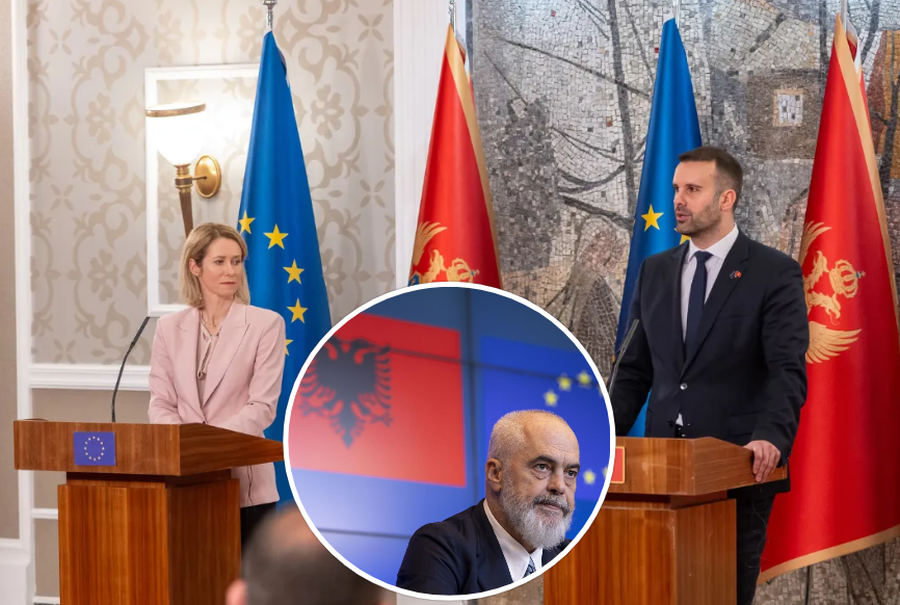
Carnegie Europe warns of political risks within the EU that could slow down the enlargement process
The enlargement of the European Union is moving forward at a steady pace, although it often passes unnoticed. The European Commission is nearing the conclusion of accession negotiations with Montenegro, and the Council may soon set up a working group to draft the accession treaty. Albania, the other key country in the process, also aims to join the EU by 2030. The Commission may soon publish a positive report on rule of law reforms, opening the final phase of negotiations with Tirana.
In an analysis published in Carnegie Europe, it is stated that, however, what today seems like a positive development could turn into a challenge for European policymakers.
In the commentary titled "How to Join the EU in Three Easy Steps", senior researcher Dimitar Bechev and research analyst Iliriana Gjoni emphasize that the EU enlargement process is moving forward steadily, but faces increasing political risks within the union.
The analysis notes that it is only a matter of time before right-wing populist forces in France, Germany or the Netherlands react to the imminent EU enlargement. They are expected to fuel fears of migration to increase electoral support. Of the two main countries, Albania is the most exposed due to ongoing problems with corruption and organized crime.
However, even Montenegro, a much smaller country with around 600,000 inhabitants, is not immune to negative perceptions. The ratification process is not expected to be easy. In France, for example, either a three-fifths majority in both houses of parliament is required or a referendum is held, a provision left over from efforts to block Turkey's membership.
Faced with this situation, Montenegro and Albania, together with the other Western Balkan countries, need to build a positive argument for their membership. Geopolitical arguments, such as the risk of growing Russian and Chinese influence, are not enough. Candidate countries need to emphasize the concrete contribution they can make to the security and well-being of Europe, presenting themselves as an added value for the union and not as a burden. This message should be addressed not only to the institutions in Brussels, but also to the main member states.
Së pari, në fushën e mbrojtjes, Maqedonia e Veriut, Mali i Zi dhe Shqipëria janë tashmë anëtare të NATO-s. Ato kontribuojnë me trupa në grupet luftarake të aleancës të vendosura në Letoni dhe Bullgari, marrin pjesë në stërvitje të përbashkëta dhe kanë dërguar pajisje në Ukrainë. Gjithashtu, ato marrin pjesë në misione paqeruajtëse në Kosovë dhe Bosnje, të udhëhequra përkatësisht nga NATO dhe BE, si dhe në operacione të Politikës së Përbashkët të Sigurisë dhe Mbrojtjes në mbarë botën. Edhe pse forcat e tyre të armatosura janë të vogla, këto vende mund të rrisin më tej këto angazhime, duke i lejuar vendet e BE-së të përqendrojnë më shumë përpjekje në krahun lindor dhe në Ukrainë.
Vendet kandidate mund dhe duhet të përfshihen në përpjekjet e vazhdueshme të Evropës për riarmatim dhe modernizim të forcave. Këto tre vende anëtare të NATO-s janë angazhuar të rrisin shpenzimet për mbrojtjen nga rreth 2 për qind në 3.5 për qind të PBB-së, një objektiv që mund të arrihet deri në mesin e viteve 2030. Ato kanë nënshkruar partneritete sigurie me BE-në, duke hapur rrugën për pjesëmarrje në programe të përbashkëta si ai i industrisë evropiane të mbrojtjes.
Rajoni ka edhe industri të trashëguara, fabrika në Bosnje dhe Serbi kanë furnizuar Ukrainën me sasi të mëdha predhash artilerie. Megjithatë, modernizimi kërkon investime në kapacitete specifike dhe në infrastrukturë me përdorim të dyfishtë. Rajoni do të forconte gjithashtu sigurinë evropiane për shkak të pozicionit të tij gjeografik: korridoret rrugore dhe hekurudhore që lidhin Adriatikun me Detin e Zi duhet të konsiderohen prioritet për lëvizjen e trupave dhe pajisjeve drejt krahut lindor.
Së dyti, Ballkani Perëndimor duhet të theksojë rëndësinë e tij në tranzicionin e gjelbër. Shqipëria dhe Mali i Zi janë ndër vendet më të avancuara në dekarbonizim. Shqipëria është një nga vendet e pakta në botë ku pothuajse 100 për qind e energjisë prodhohet nga burime të rinovueshme, kryesisht hidroenergji. Edhe sistemi energjetik i Malit të Zi dominohet nga burimet e rinovueshme, ku hidroenergji përbën 48 për qind të kapacitetit, energjia e erës 9 për qind dhe ajo diellore 2 për qind.
Mali i Zi është gjithashtu i vetmi vend kandidat që operon një skemë kombëtare të tregtimit të emetimeve në përputhje me acquis të BE-së. Kjo nuk do të thotë se pjesa tjetër e rajonit mbetet pas; përkundrazi, Serbia, mes viteve 2024 dhe 2025, rriti kapacitetin e energjisë së rinovueshme me 11 për qind, duke arritur në katër gigavat, një nivel i barabartë me pjesën e qymyrit në furnizimin energjetik.
Rritja e shpejtë e energjisë së gjelbër forcon qëndrueshmërinë dhe hap mundësi për zhvillim ekonomik dhe inovacion. Sektori i turizmit, i cili historikisht është penguar nga ndërprerjet e energjisë gjatë sezonit veror, varet nga furnizimi i lirë dhe i qëndrueshëm me energji. Edhe prodhimi, përfshirë industrinë e mbrojtjes, përfiton nga kjo.
However, the greatest potential lies in the information technology sector, especially data centers that require large amounts of energy and are essential for the development of artificial intelligence. Some governments in the region are taking steps to support this development, by digitizing public services, improving connectivity and offering incentives to foreign investors. Lower land and labor costs, combined with EU integration and harmonization with digital legislation, make the region attractive. In this way, the Western Balkans could offer an alternative to data centers in the EU, increasing productivity and innovation on the continent.
Finally, to take advantage of these opportunities, Western Balkan governments need to intensify efforts to integrate into the common market. They need to focus on institutional reforms and improving cross-border connections. Small and fragmented national markets remain an obstacle to competitiveness and attracting strategic investments. State capture, insufficient development of the financial sector, and labor shortages due to long-term emigration remain important challenges.
However, these challenges do not prevent the region from presenting EU membership as a contribution to increasing the union's competitiveness, a priority that has received increased attention after the publication of the Draghi report in 2024. The clearer their contribution to Europe's sustainability and economic growth, the more difficult it becomes to justify the delay in membership.
There is a positive scenario where Montenegro and Albania could join together with Iceland, which enjoys broad support. But there is also the possibility that their prospects will be linked to the more complicated accession processes of Ukraine and Moldova, which dominate the current debate. For this reason, they cannot remain passive applicants. To achieve the 2030 objective, they need to convince both Brussels and the main member states that their membership strengthens Europe's security, competitiveness and cohesion. /Adapted Pamphlet /




Lini një Përgjigje