


 Shkruar nga Casey Michel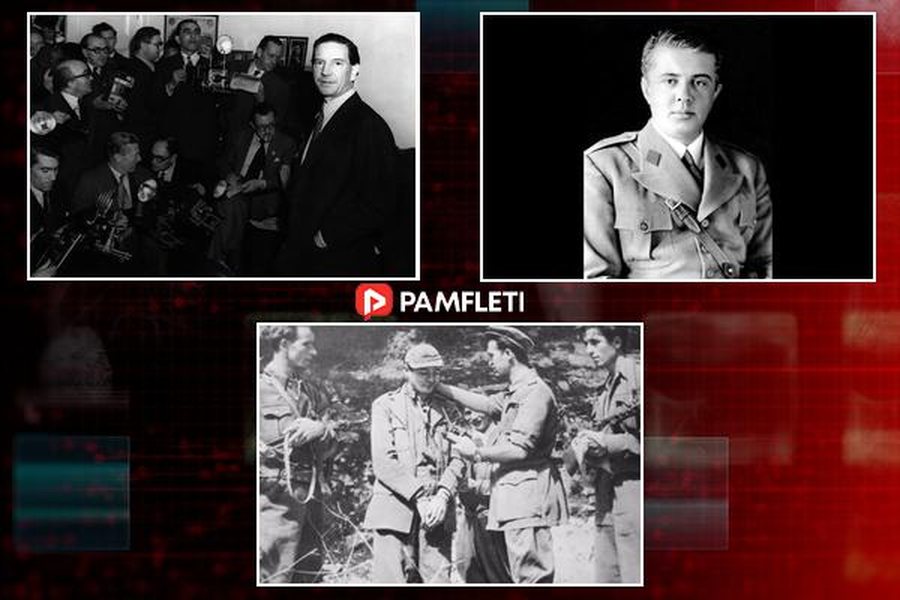
Kim Philby, the parachute jump and what really happened in communist Albania...
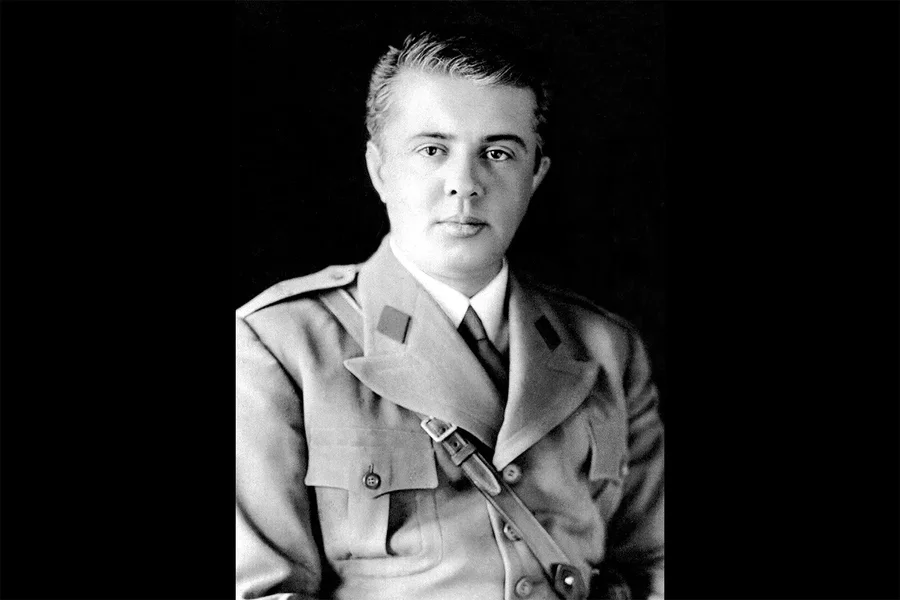
For decades, there has been a simple and common narrative that has developed around the West’s first covert operations to overthrow a communist regime. It goes something like this: During the late 1940s and early 1950s, the United States and the United Kingdom launched a series of clandestine infiltration missions throughout Albania, parachuting in a series of agents to try to overthrow the government of Enver Hoxha. The operation, however, was a spectacular, almost legendary failure, all because British intelligence officer Kim Philby, perhaps the Soviet Union’s most notorious spy, had tipped off his aides in Moscow, who in turn alerted the Allies in Tirana.
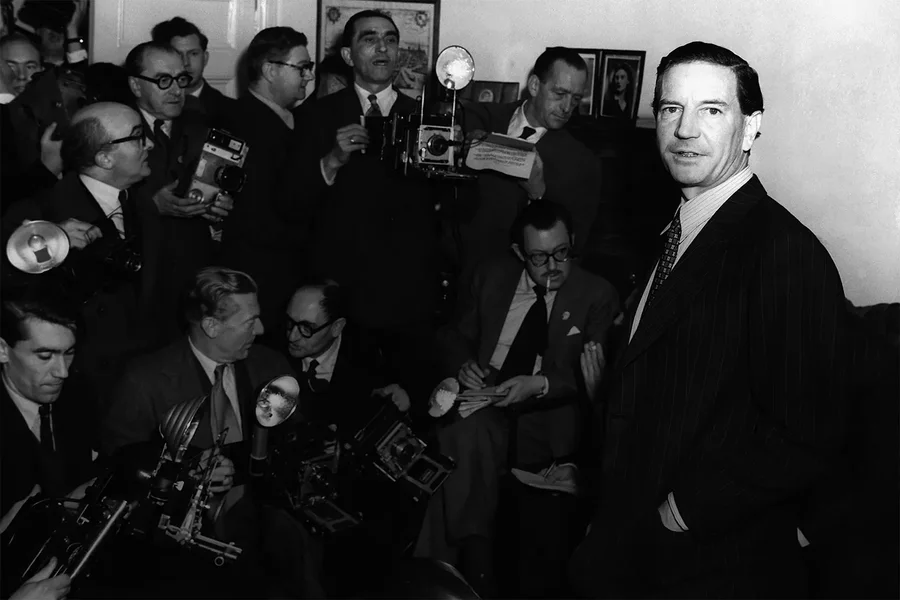
Decades later, this account still has some elements of truth. Yes, there were parachute drops into Albania during the early Cold War. And yes, the operation was a joint British-American affair. But, as political scientist Stephen Long argues in his new book, A Rich Harvest of Bitter Fruit, almost everything else about that story is false. Through his archival research and dozens of interviews, Long discovers that these missions were never intended to overthrow Hoxha, nor to end communism in Albania. And in perhaps the biggest correction, he writes that Philby and the Soviet Union may not have played any role in the operation’s ultimate failure.
By rescuing the mission from its historical muddle, Long has uncovered a chapter of early Cold War history far more amusing and disastrous than is widely remembered. And it’s one of unexpected and far-reaching importance, especially as the United States begins to consider regime change again, this time in Iran, Cuba, and beyond.
When Hoxha took power in the final days of World War II, Albania became a divided country. This was true not only of the anti-Hoxha opposition, which ranged from pro-monarchist forces to pro-Western groups and those in favor of closer ties with fellow communists in neighboring Yugoslavia. This was also true within Hoxha’s own regime. Purge and arrest, show trials and false convictions: Hoxha’s early days saw the budding dictator turn on friend and foe alike. This created the impression, at least to outside observers, that Albania was a “country in turmoil ,” Long writes, waiting for just the right series of events to topple its government.
Enter the postwar American and British intelligence services. Far from the tight, bureaucratized espionage of the later Cold War, MI6 and the early postwar CIA were a near-chaos group. With little oversight, especially from the US, these agencies could concoct whatever schemes and plans they pleased; reading Long’s book, one gets the sense that they were less James Bond, more Monty Python. This approach might have been laughable if it hadn’t resulted in so many deaths and wasted resources. As they watched Albania from afar, American and British officials realized they needed a better understanding of what was happening inside the country. The idea for a mission to Albania was not necessarily to overthrow Hoxha; If the Albanian dictator were to fall, London and Washington were worried not only about a Soviet response but also that his neighbors in Italy, Greece, and Yugoslavia would then destroy Albania. Instead, the mission was about assessing how fragile his regime really was and determining what should happen next.
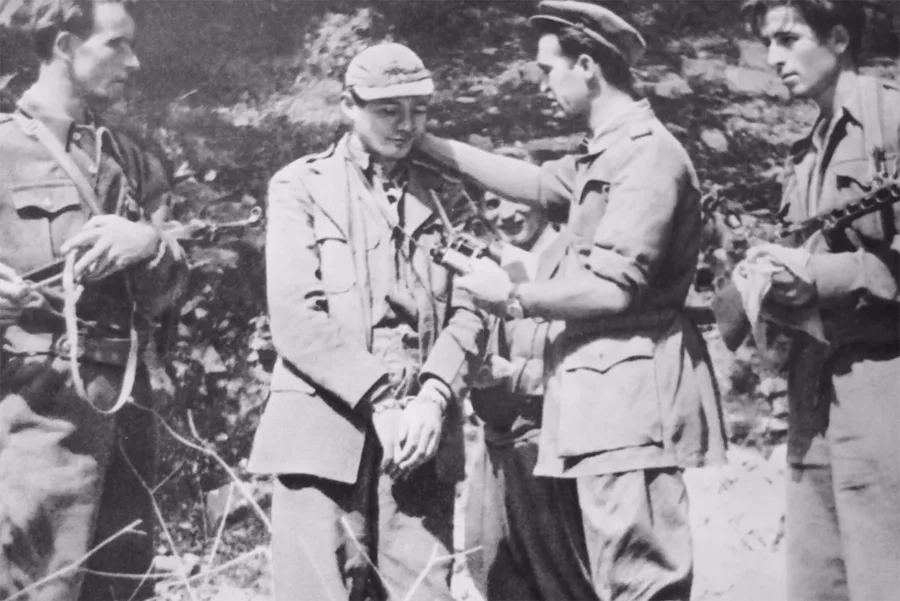
To gather information, British and American officials devised a plan that, on paper at least, seemed destined for success. They recruited dozens of Albanian immigrants scattered across refugee camps in Europe and trained them in Malta and West Germany in everything from small arms to map reading to the “ art of silent assassination .” At first, the British led a series of clandestine amphibious landings; in later American-led airdrop missions, a Polish aircrew flew them in an unmarked C-47 into Albanian airspace, where they parachuted into Albania. Once there, these Albanian teams would radio their assessments, gather support on the ground, and await further instructions.
Megjithatë, pothuajse që nga fillimi, asgjë nuk shkoi mirë. Pothuajse gjysma e agjentëve shqiptarë në hedhjen e parë të planifikuar në vitin 1950 u tërhoqën, thuhet për shkak të “luftërave të brendshme politike” midis tyre. Edhe me ekuipazhin më të vogël, hedhja u anulua për shkak të shiut dhe borës së madhe. Rreth një javë më vonë, kur zyrtarët amerikanë provuan përsëri hedhjen, vetë agjentët mbanin rroba aq të holla, “krejtësisht të papërshtatshme për kushtet jashtëzakonisht të ftohta dhe të lagështa të motit dimëror”, shkruan Long, saqë disa “u drejtuan prerjes së parashutave të tyre të vogla rezervë për t’u mbështjellë rreth vetes për ngrohtësi shtesë”.
Që andej, gjërat vetëm sa u përkeqësuan. Ekuipazhi ajror polak i la agjentët një ditë të tërë marshimi nga vendi ku duhej të uleshin. Çdo element sekreti në hedhje u zhduk shpejt; siç kujtoi një agjent, “Të gjithë e dinin që parashutistët kishin zbritur sepse sendet tona ranë në një fshat aty pranë”. Agjentët u fshehën në një pyll për gati një javë për t’iu shmangur operacioneve të sigurisë komuniste. Më në fund, duke dalë nga vendi, ata mësuan nga vendasit se forcat e sigurisë shqiptare kishin planifikuar një pritë në zonën origjinale të hedhjes, që do të thotë se ulja e gabuar në fakt i kishte shpëtuar ata. Pa furnizime, ose ndonjë element surprize të mbetur, agjentët e braktisën plotësisht misionin, duke ecur me vështirësi përtej kufirit jugosllav drejt sigurisë.
Ishte një model që do të përsëritej vazhdimisht. Siç kujtoi një agjent në një mision të mëvonshëm, ekipi i tij disi e humbi zonën e uljes me rreth tre milje e gjysmë. Me të zbarkuar, ata kuptuan se udhëheqësi i misionit të tyre ishte “i dehur nga uiski para misionit që kishte për qëllim t’i qetësonte nervat”. Duke u endur drejt fshatit më të afërt, ata u fshehën përsëri nga forcat e sigurisë, duke mbijetuar me pak më shumë se misër të papërpunuar për dy javë. Ngjashëm me ekipin e parë, shpresa e vetme ishte kalimi i kufirit, gjë që ata përfundimisht e bënë, duke ikur në Greqi.
Dhe ata ishin me fat. Ekip pas ekipi u zhdukën menjëherë pas hedhjes së tyre në shërbim, me menaxherët amerikanë dhe britanikë që nuk dëgjuan më kurrë për ta. Vetëm brenda pak vitesh, dhjetëra agjentë u humbën. Siç detajon Long, zyrtarët shqiptarë të sigurisë kishin një avantazh të qartë: Ata e dinin saktësisht se ku ishin zonat e hedhjes së agjentëve, shumë kohë përpara se ekipet e agjentëve të niseshin. Shumë shpesh, rekrutët shqiptarë hidheshin direkt në vdekjen e tyre. Vit pas viti, rezultatet ishin të njëjta. Pak informacion arrinte në Uashington dhe Londër, ndërsa ekipe të tëra agjentësh antikomunistë shqiptarë u zhdukën. Siç dokumenton Long, i gjithë operacioni gjashtëvjeçar, i cili përfundoi në vitin 1955, pati një shkallë humbjesh prej 36 përqind, një shifër marramendëse, si atëherë ashtu edhe tani. Ndërkohë, Hoxha zgjati për dekada të tëra në krye të regjimit shqiptar, duke vdekur në vitin 1985 si një nga udhëheqësit komunistë që qëndroi më gjatë në histori.
“Një Korrje e Pasur me Fruta të Hidhura” rrëfen shumë nga këto dështime me detaje mikroskopike. Duke ofruar vështrime të hollësishme në gjithçka, nga rekrutimi i agjentëve deri te tensionet burokratike midis Londrës dhe Uashingtonit, libri është një turne informacioni mbi një operacion që i ka shpëtuar shqyrtimit prej kohësh. Dhe e gjithë kjo vendos themelet për zbulimin më të jashtëzakonshëm të të gjithë librit. Siç përfundon Long, ideja se e gjithë kjo u prish nga Philby dhe ndihmësit e tij sovjetikë është e gabuar, dhe një ide që i lë si agjentët perëndimorë ashtu edhe vetë emigrantët të lirë nga përgjegjësia.
Në fund të fundit, Shqipëria ishte një lloj prapambetjeje gjeopolitike. Një shtet satelit sovjetik, sigurisht, por vështirë se diçka thelbësore për interesat më të gjera të Moskës, dhe sigurisht jo një vend për të cilin ajo do të ishte e gatshme të rrezikonte spiunin e saj më të lartë. Siç kujtoi një zyrtar amerikan, “Pse dikush me mendje të shëndoshë do të rrezikonte një aset si Philby për atë qëllim?” Philby me shumë gjasa përfundoi të njëjtën gjë: “Thënë thjesht, Shqipëria nuk ia vlente të rrezikonte lëkurën e tij”, shkruan Long.
Në vend të kësaj, sipas rrëfimit të Long, dështimet në gradën e operacionit kishin dy fajtorë. Së pari, ishin vetë rekrutët shqiptarë. Edhe pas gjithë stërvitjes së tyre, ata vështirë se ishin njësi klandestine të rafinuara. Disa prej tyre “nuk mund të dallonin një tank nga një traktor”, ankohej një raport, dhe shumë prej tyre nuk mund të mos zbulonin se çfarë po bënin, veçanërisht në të gjithë komunitetin e emigrantëve shqiptarë. Kjo lloj “bisede e hapur”, siç e quante një zyrtar amerikan, u kthye shpejt te autoritetet komuniste. Duke pasur parasysh që agjentët shqiptarë shpesh vendoseshin pranë fshatrave ku ishin rritur, nuk iu desh shumë hetim që Tirana të identifikonte se ku do të zhvillohej misioni i radhës.
But it wasn’t just Albanian recruits. The CIA officers involved were hardly pillars of the craft. As one CIA official recalled, some of his colleagues were “ so extravagant it was like trying to say St. Peter’s Cathedral was a covert operation .”
A pervasive arrogance pervaded the mission, blinding CIA officers to the fact that their Albanian counterparts had outdone them. In one case, when an Albanian team failed seven times to properly respond to a CIA “ control challenge ,” the managers carried on as if nothing had happened, unaware that the Albanians had been captured. They “reluctant to accept that their most valuable team of agents had fallen into enemy hands,” Long writes. Eventually, the Americans began to suspect what had happened, but instead of stopping the operation, they continued to throw the agents directly into the Albanians’ mouths, turning an “ initial setback ” into “ an irreversible disaster . ”
That irreversible disaster, thanks to Long, finally has a precise historical record. If the Albanian case study is any indication, everything we know about similar American campaigns that parachuted agents into places like Bulgaria, Romania, Poland, and Ukraine may be turned upside down upon closer examination, not least because Philby has also been blamed for their failures. Until then, one thing is clear: The only ones who reaped the bitter fruits of this mission were those in London and Washington, and the Albanian anti-communist forces caught in the middle.
This is a lesson that American officials would do well to take to heart in 2026, especially in the midst of a disastrous war with Iran. After all, the regime in Tehran also looked, at least from the outside, as if it were ready to topple a few months ago, only to hold on, and even strengthen, in the time since. The mullahs may have little in common with Hoxha, but both ended up staying in power for much longer than Washington imagined.
Ironically, the CIA is the only agency that seemed to be aware of this fact this time. On the eve of the war, CIA Director John Ratcliffe called the regime change efforts inside Iran a “farce.” Ratcliffe, of course, turned out to be right, but his warnings carried little weight with an administration convinced of its path to victory. As with Albania, the disaster in Iran was not due to any domestic spies or treacherous foreigners. It was simply the fault of an American administration caught in its own hubris./ Adapted from “Pamphlet” by “ Foreignpolicy ”



Lini një Përgjigje