


 Shkruar nga Pamfleti
A memorial evening for the Catholic priest and martyr is being organized in Tirana on May 16, with the participation of church authorities, diplomats and scholars.
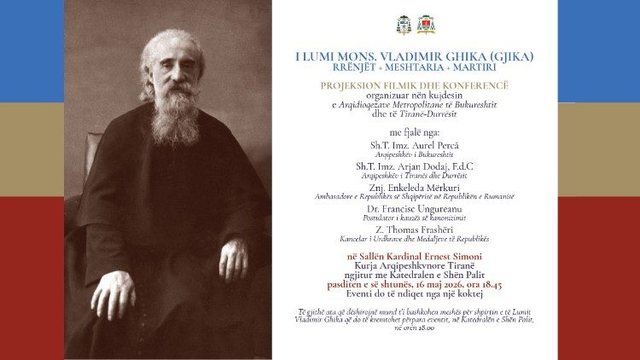
The Catholic Church commemorates on May 16th the memory of Lumin Vladimir Gjika, a Catholic priest of aristocratic Romanian-Albanian origin, who lost his life in the prisons of the Romanian communist regime after refusing to abandon the Church and his faith.
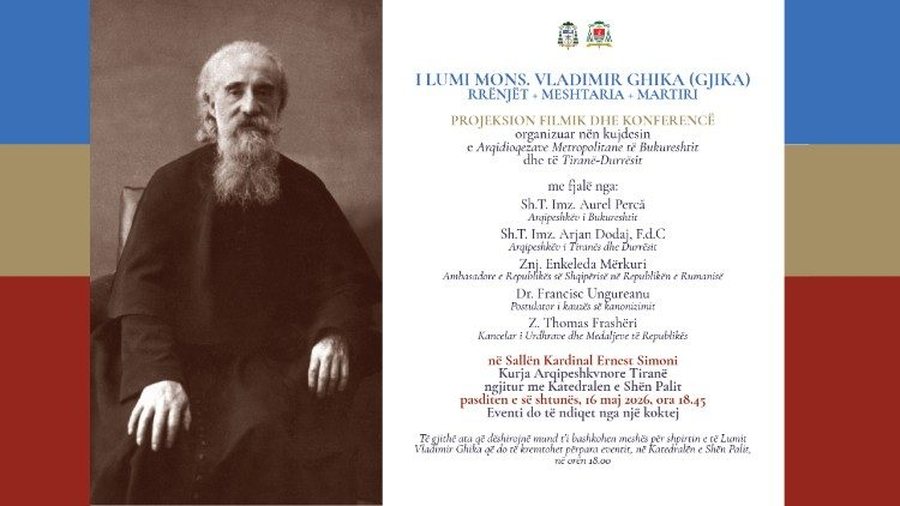
In the framework of this commemorative date, an event dedicated to his life, ministry and martyrdom will be held in Tirana. The event will be held in the "Cardinal Ernest Simoni" Hall, near the Metropolitan Archbishopric of Tirana-Durres, at 18:45, immediately after the 18:00 mass.
The event is organized by the Metropolitan Archdiocese of Bucharest and the Metropolitan Archdiocese of Tirana-Durrës and has the theme: "Blessed Vladimir Ghika (Gjika), roots - priesthood - martyrdom".
The meeting will be attended by the Metropolitan Archbishop of Tirana-Durrës, Archbishop Arjan Dodaj, the Metropolitan Archbishop of Bucharest, Archbishop Aurel Percă, the Albanian Ambassador to Romania, Enkeleda Merkuri, the Postulator of the Cause of Canonization, Archbishop Francisc Ungureanu, and the Chancellor of the Orders and Medals of the Republic of Albania, Thomas Frashëri. Scholars of the history of Christianity, representatives of religious communities and believers have also been invited to the event.
The evening will include a film screening and a conference dedicated to the figure of Vladimir Gjika, while a fraternal cocktail will be organized at the end. The faithful will also have the opportunity to venerate the relics of the Blessed One at the Cathedral of St. Paul in Tirana.
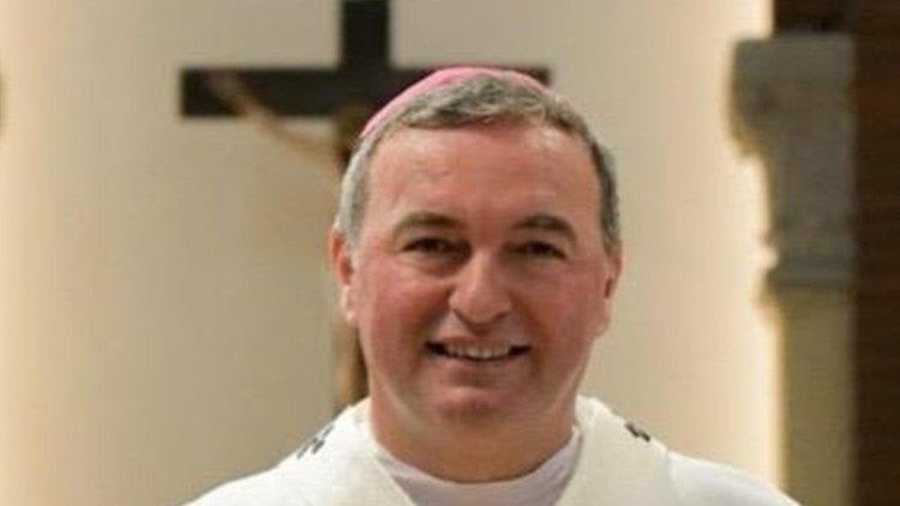
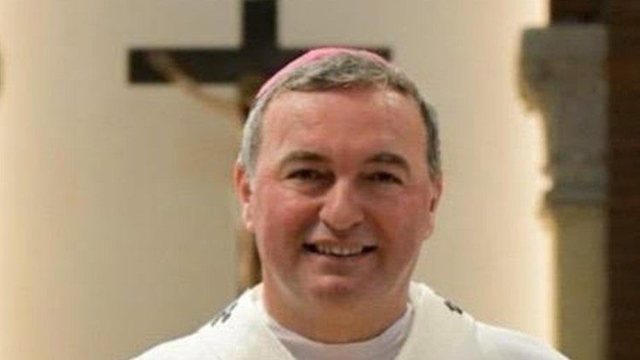
The Archbishop of Tirana-Durrës, Archbishop Arjan Dodaj, considers the figure of Vladimir Gjika an important part of the Church's memory and the history of peoples who have gone through dictatorships.
Vladimir Gjika was born on December 25, 1873 in Constantinople, into an aristocratic family of Romanian-Albanian origin. The Gjika family is thought to have originated from Përmet and during the Ottoman period settled in the Phanar of Constantinople. The Gjikas established strong political connections in the Ottoman Empire and ruled Moldavia and Wallachia for years. This family produced well-known figures in European political, diplomatic and cultural life, among them Elena Gjika, known as Dora d'Istria.
Born into an environment of privilege and diplomacy, Vladimir Gjika studied in France, Rome, and Paris. His intellectual formation was accompanied by a particular interest in philosophy, theology, and social issues.
In 1902 he converted from Orthodoxy to Catholicism. According to his conviction, approaching the Catholic Church did not represent a break from Eastern tradition, but a way to live the Christian faith more deeply.
Initially, Pope Pius X did not allow his ordination as a priest, believing that Gjika could have a more useful role as a layman in relations with the Orthodox world. It was not until 1923, at the age of 50, that Vladimir Gjika was ordained a priest in Paris.
After his ordination, he carried out extensive pastoral and humanitarian work. He served in various countries, including Japan, Australia, Argentina, Ireland, and Hungary. He participated in Eucharistic congresses, published articles and books, but he devoted most of his energy to helping people in need.
In the suburbs of Paris he lived in simple conditions, close to the poor and excluded. He helped refugees, orphans, the sick and prisoners. For Gjika, religious service was directly related to concrete care for the person.
He maintained connections with well-known figures of French and European culture, among them Jacques Maritain, Paul Claudel, and François Mauriac, but his activity remained focused on people in need and pastoral work.
After the establishment of the communist regime in Romania, Vladimir Gjika had the opportunity to flee the country, along with King Michael, but he refused to leave. He decided to stay close to the Catholic Church and the faithful in a period of severe persecution.
The communist authorities considered him a dangerous figure due to his profile: a prince with international connections, an intellectual, a Catholic priest, and a supporter of ties with the Holy See.
On November 18, 1952, he was arrested by the Romanian Security and sent to the prison in Žilava. He was 80 years old at the time. During the investigation and isolation, he was subjected to torture and pressure to renounce his loyalty to the Catholic Church and the Pope.
According to the testimonies of the prisoners, during his time in prison, Vladimir Gjika continued to provide moral support to the other convicts. He prayed with them, spoke to them about religion and hope, and maintained a conciliatory stance even towards his persecutors.
Vladimir Gjika died on May 16, 1954, as a result of torture and harsh prison conditions.
Today he is honored by the Catholic Church as a martyr of communism and as a figure who connects the history of the Church with the memory of the peoples of Eastern Europe who experienced totalitarian regimes.


Lini një Përgjigje