


 Shkruar nga Ursula Krechel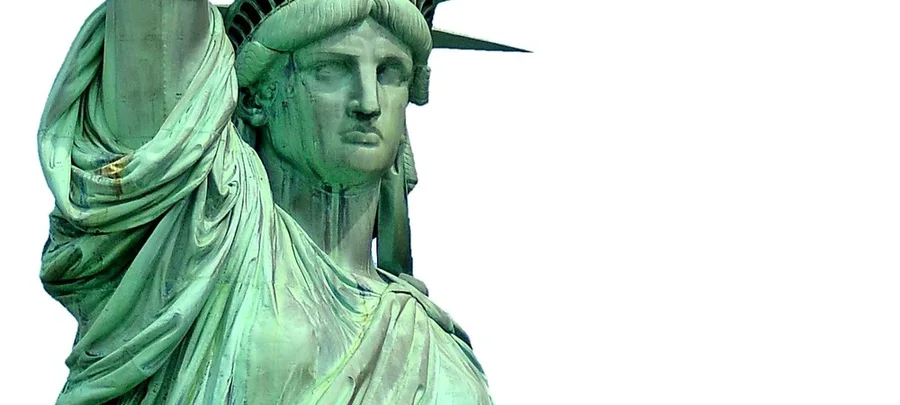
A literary analysis examines the unfinished novel "The Missing" and its symbolism of immigration, power, and disillusionment...
There are good reasons to view America today with wonder, even shock. It does not look back. A look across the Atlantic with the help of Franz Kafka.
Catastrophe, catastrophe: where does this shock that is spreading and that must be seen with open eyes come from? Yes, it must be written about, if this term still has any value.
A young man escapes the consequences of his actions. More precisely: he runs away from them. Even more precisely: he is transferred, sent away, boarded a ship, protected by his family so that he does not face the consequences. An ocean lies between the event that caused him and what awaits him.
Karl Roßmann, that is the name of the character in the fragment of Franz Kafka's novel “The Disappeared”, “who was sent to America by his poor parents because a maid had seduced him and had given birth to a child by him”. Only much later does he remember that his mother had announced the trip to America “one terrible evening by the window”. The 21st century has a different code for pregnancies, and the seduction by maids, presented as sexual vampires, belongs more to patriarchal myths.
The judgment has already been given.
When the ship arrives in New York, Karl sees in the harbor the Statue of Liberty, which Kafka calls the “Goddess of Liberty.” But instead of a torch, she holds a sword. She is not the embracing figure he desires, like all those who arrive with hope, she is not the one to whom Emma Lazarus dedicated her famous poem “The New Colossus,” offering to accept “the wretched remains.” The goddess with the sword is a fragmented deity: she divides, she kills, and her judgment is already given.
But the ancient goddess, whose statue adorns the facades of town halls and the entrances to the courts, Justitia, carried scales, sword and blindfold, weighed and judged impartially. The freedom she represents here in the harbor is a sharp wind that blows in the face of the newcomer. Karl Roßmann is already on the wrong side, he understands this.
However, his gaze is relativized by another, much more vital one: “behind all this stood New York, looking at Karl with its hundred thousand skyscraper windows.” Amazed by the grandeur and overcome by a sense of smallness, he is fortunate to find shelter and guidance for integration in his American uncle: “Where would he have lived if he had descended to earth as a poor immigrant?”
I braktisur nga familja dhe më pas i dëbuar nga xhaxhai, Karl është vërtet një emigrant, i ekspozuar ndaj të gjitha rreziqeve për shkak të papërvojës së tij. Ai grabitet, keqtrajtohet, poshtërohet nën regjimin e një kryekuzhiniereje; ajo dhe kryekamerieri i ashpër drejtojnë një regjim që i ngjan shtëpisë prindërore. Në fund të sallës së ashensoristëve ai duhet të flejë; rënia e tij e çon në azil. Karl merr një emër që e afron me më të varfrit dhe më të përbuzurit, një emër që sot është i tabuizuar: “Negro”.
“Të gjithë janë të mirëpritur”
Dhe aty është kjo reklamë që e tërheq, duket si shpëtim: “Të gjithë janë të mirëpritur!” Kush nuk do të donte të mirëpritej, ndoshta të bëhej aktor, një ngritje e jashtëzakonshme, qoftë edhe në Teatrin e Natyrës në Oklahoma. Arti dhe sporti kanë qenë dhe mbeten në shumë shoqëri mundësi të pazakonta për ngritje sociale. Në introspeksion Karl Roßmann e përsërit fjalinë: “Të gjithë ishin të mirëpritur.” Por tashmë ajo ka kaluar në kohën e shkuar, një aludim për kufizimin e mundshëm të mirëpritjes; ndoshta janë shumë ata që kanë ardhur.
Dhe dhjetë rreshta më vonë vjen përforcimi, sërish në kohën e tashme. Është një pohim që hap një perspektivë, një gjendje lumturie dhe një komunitet të shpresuar. Ka punë, por për pagesë nuk thuhet asgjë në poster.
Por Teatri i Oklahomës, i vendosur në një pistë garash, nuk është një vend ku turmat vërshojnë; vetëm një çift me karrocë fëmijësh shkon në të njëjtin drejtim si Karl. Teatri është njëkohësisht i qëndrueshëm, i lëvizshëm dhe imagjinar — më shumë interpretues sesa aplikantë. Gratë me shirita që valëviten në podiume paraqesin engjëj, dhe qesharakësia e tyre, mungesa e teatralitetit, është e dukshme. Engjëjt heshtin, nuk kanë asgjë për të thënë, nuk shpallin asgjë. Një ansambël trombetash i çakorduar prej qindra grave, rroba të bardha, krahë — një parodi e ushtrive qiellore biblike, një prolog që nuk frymëzon besim — pa spektatorë dhe pa publik punëkërkues.
Një botë që njeh vetëm superlativin
“Është teatri më i madh në botë”, edhe kjo fjali përsëritet. Ne e njohim këtë gjuhë të ekzagjeruar, reklamuese, por jo bindëse. Një botë që njeh vetëm superlativin, pa dallime dhe pa dyshim. Ka arsye për ta parë sot Amerikën me habi, madje me tronditje; ajo nuk kthen kokën pas. Një dramë pa heronj, ku gëlojnë mashtrues, fanatikë dhe falsifikatorë.
Ndoshta teatri në “I zhdukuri” është një ndërmarrje gjigante ose vetëm një cirk i vogël shëtitës. Art për të gjithë. Dikur ishte një koncept bindës socialdemokrat i Hilmar Hoffmann-it në Oberhausen, që më pas u zbatua në shkallë të gjerë në Frankfurt. Art nga të gjithë. Të gjithë bëjnë art. Të gjithë luajnë, luajnë veten, duan të jenë personi që pretendojnë se janë.
Seat occupancy is 98.2 percent, like votes in dictatorships, and the seats in the boxes are taken by ego. Everyone posts, everyone likes, hearts and hands, everyone is online, everyone is on the couch and alone. A permanent state of excitement without drama. We know this and we know the results. “Where is the theater going?”, that is not the question now.
President's Lodge
Karl's documents are incomplete. The world in which he wants to play a role is bureaucratized in offices and sub-offices. In the end he ends up in an office for European high school students: here he is reduced to his real status, suitable only as a technical worker. No career as an actor, nor as a fake engineer or student: a bitter disappointment. The chosen name "Negro" sticks to him like tar.
Suddenly, the story shows a lavish dinner, where photographs are passed from hand to hand. Karl gets the last one, where the “box of the president of the United States” is presented. At first glance, one might think that it is not a box, but a stage, so much does it protrude into space. The parapet is entirely made of gold.
Once upon a time, an American president sat in a theater box. Four days earlier, the Civil War had ended with the surrender of the Southern army. President Abraham Lincoln was shot dead by actor John Wilkes Booth during a play.
The tyrant killer in the theater
Booth was not a lone actor, but part of a conspiracy. He believed that the country was made for whites and saw himself as a “tyrant killer.”
“The parapet was all gold.” Kafka's text continues calmly: “One could hardly imagine people in that box, so magnificent it seemed.” The theater is a dangerous place. It doesn't deliver what it promises or brings frightening surprises.
And yet, this America seemed like the best of all worlds to a Jew from Prague and to many Europeans before World War I. Kafka wrote of “the most modern New York.”
Kafka began the novel in 1911 and never finished it.
“Ka” in Greek means “down.” Catastrophe is a decline towards the worst.
And we are back in the theater. The history of theater is also a history of disasters. However, the audience sits and waits for something to happen. And it does. /Adapted from FAZ /




Lini një Përgjigje