


 Shkruar nga “Financial Times”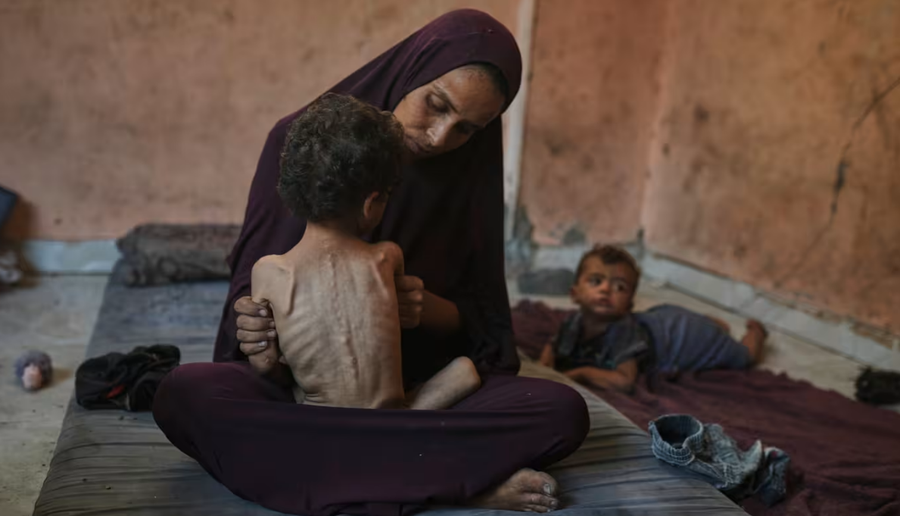
How the abandonment of humanitarian values by the great powers is paving the way for a new era of global impunity, where the law of force is replacing the protection of civilians and the norms sanctioned since 1945...
The photograph of a severely malnourished boy in Gaza became a defining image of the year we are leaving behind. Other shocking events have occurred even further away from cameras or scrutiny.
They include the reported atrocities by the Rapid Support Forces against civilians in West Darfur, in the state of Sudan. Then there is the deadly attack on two survivors of a US raid on a suspected drug-trafficking ship in the Caribbean - a video that US Defense Secretary Pete Hegsett refuses to release, but which may constitute a war crime.
All of these incidents highlight the erosion of human rights laws and the rules of war designed to protect civilians, which democracies have sought to implement, however partially, since 1945.
Horrific atrocities and human rights abuses have continued to spread over the past few decades. But the US withdrawal from global affairs, as well as from post-1945 promises, makes the lawlessness even more widespread.
America’s record was bipartisan even before Donald Trump returned to office. The Biden administration — along with many Western allies — long failed to pressure Israeli Prime Minister Benjamin Netanyahu to curb the brutal tactics of Israeli forces against Palestinians in Gaza as they responded to Hamas’ horrific attack on October 7, 2023, that directly targeted civilians in Israel.
But Trump's second term has brought a striking retreat from a foreign policy that championed the protection of values, albeit sometimes implemented inconsistently, to a policy of ruthless transactionalism.
The US State Department's annual human rights reports in August 2025 highlighted the new approach, omitting previously crucial sections on many fundamental freedoms.
His very abbreviated report on Israel, the West Bank and Gaza made no mention of the humanitarian crisis and death toll in the Strip. The reports were significantly more “sugarcoated” on Trump allies such as El Salvador and Saudi Arabia.
The erosion of respect for the international laws of war has led to accusations of starvation being used as a tactic, and not just in Gaza and Sudan. Children are suffering more everywhere. The latest data shows that this year will surpass 2024 as the deadliest and most violent year for children in conflict since UN monitoring began in 2005.
This year is on track to be the deadliest yet for humanitarian workers, with regular state armies often the perpetrators of massacres. However, in addition to international aid and human rights groups, there are others who are still prepared to fight to protect civilians.
The International Court of Justice (ICJ), which adjudicates violations of treaties such as the 1948 Genocide Convention, and the International Criminal Court (ICC), which prosecutes individuals for war crimes, are under great pressure today.
The Trump-led US has imposed sanctions on ICC prosecutors and judges for their involvement in a case against Israel that included an arrest warrant for Netanyahu. But the international courts are still managing to function.
They have raised their profile and are emerging as a bastion of a rules-based system. A key hearing at the ICJ begins in January on Gambia’s lawsuit, which alleges that Myanmar’s treatment of the Rohingya ethnic minority violates the Genocide Convention.
This will pave the way for a lawsuit by South Africa, which alleges that Israeli forces violated the same convention in Gaza. Meanwhile, a surprising number of US lawmakers from both parties have called for investigations not only into the attack on the ship in Caribbean waters in September, but also into the legality of the use of US military forces against drug trafficking.
Meanwhile, there have been signs of concern among developing countries, which have largely failed to join Western condemnation of Russia's invasion, over recent US peace proposals that suggested recognition of some Russian-occupied territories in Ukraine. An African Union summit with the EU in November pledged to support sovereignty and territorial integrity and called for a "just" peace.
The smaller countries of the Global South understand, as do the wealthier democracies of Europe and Asia, the dangers of the “might makes right” world that Trump seems to embrace. But for now, this is the global order, however unimaginable it might have seemed just a decade ago. /Prepared by: Pamphlet


Lini një Përgjigje