


 Shkruar nga Gjergj Zefi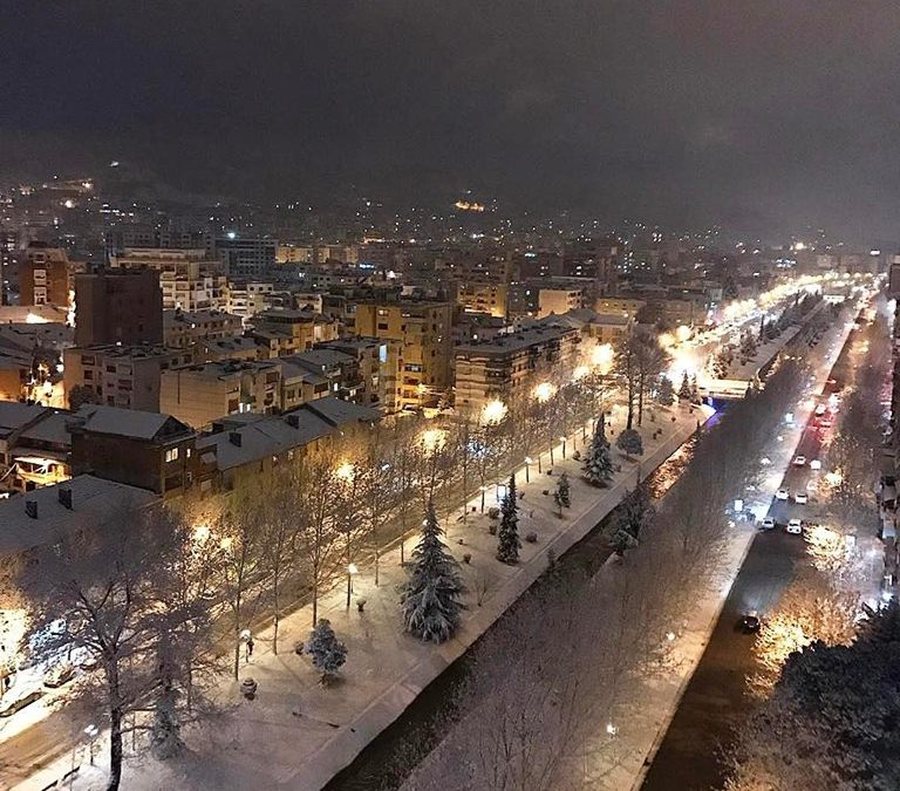
Two regimes different in form, but identical in content: concentrated power, subservient institutions, and tired societies seeking change.
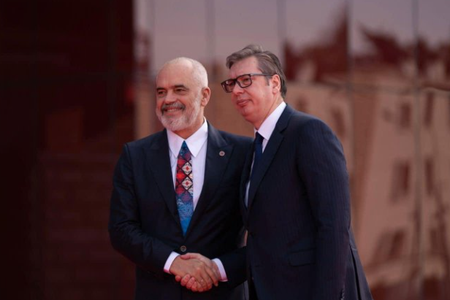
In Serbia and Albania, political power has built a vertical system of control that encompasses every link in the state. Aleksandar Vučić in Belgrade and Edi Rama in Tirana represent two versions of the same formula: absolute dominance over institutions, neutralization of the opposition, and turning the administration into an electoral instrument.
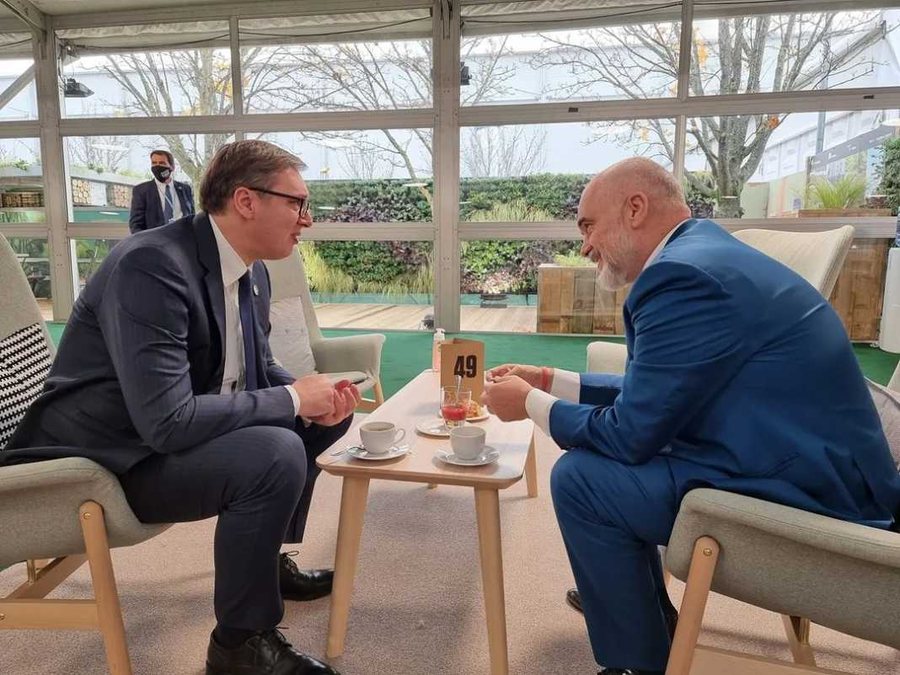
Both societies live in the reality of "controlled stability," where political change is perceived as a long and painful process.
In Serbia, the Serbian Progressive Party has replaced political competition with loyalty to the leader. The party has taken over every level of public administration, while the prosecution and courts operate with double standards.
Freedom House and Transparency International reports describe Serbia as a hybrid regime with autocratic tendencies.
Civic protests and student movements, although they have revived activism, have not yet managed to break through the wall of the party system.
In Albania, after more than a decade in power, the Socialist Party has built a similar structure. The prime minister controls the parliamentary majority, the government, local government, and most of the administration. The judicial reform, which was initially presented as a guarantee of institutional independence, has turned into a field of controlled clashes. Despite selective attacks on some officials, the public perception remains that SPAK does not touch the upper echelons of the political system.
The oppositions in both countries have lost their institutional function.
In Serbia, they boycotted parliament for long periods, while in Albania, internal divisions have rendered the opposition powerless. In both cases, citizens feel vulnerable between a captured state and an incompetent opposition.
The international factor maintains a cautious stance. The European Union criticizes the lack of accountability, but accepts stability as a priority. In Serbia, Brussels tries to balance Russian influence. In Albania, the EU accepts technical progress, but turns a blind eye to clientelism and institutional dependency. This approach has created the belief that authoritarian leaderships can survive as long as they maintain formal stability.
In both countries, civic discontent is growing. In Serbia, it is taking shape through protests and new movements. In Albania, it manifests itself in mass emigration and political apathy. In both societies, a structure that can turn revolt into institutional pressure is lacking. This makes the transition inevitable, but slow and with high social costs.
In the analysis of "Vijesti", Serbian expert Dragan Popović warns that the end of the regime in Serbia will not be quick or painless. The same logic applies to Albania. When power is built on dependence and total control, any change demands a high price.
In this climate, change cannot come quickly. Neither in Serbia nor in Albania. Consolidated powers do not collapse from elections, but from the gradual collapse of the system. Until then, societies will continue to live in a long political winter, where hope survives, but cannot warm you./ Pamphlet






Pushtetet e konsoliduara nuk shemben nga zgjedhjet, por nga rrënimi gradual i sistemit. Deri atëherë, shoqëritë do të vazhdojnë të jetojnë në një dimër të gjatë politik, ku shpresa mbijeton, por nuk të ngroh dot
Sa mire te ngordhin ca nga dimri qe te rrallohen e te marrim fryme me lirshem.