


 Shkruar nga Diplomatico | Pamfleti.net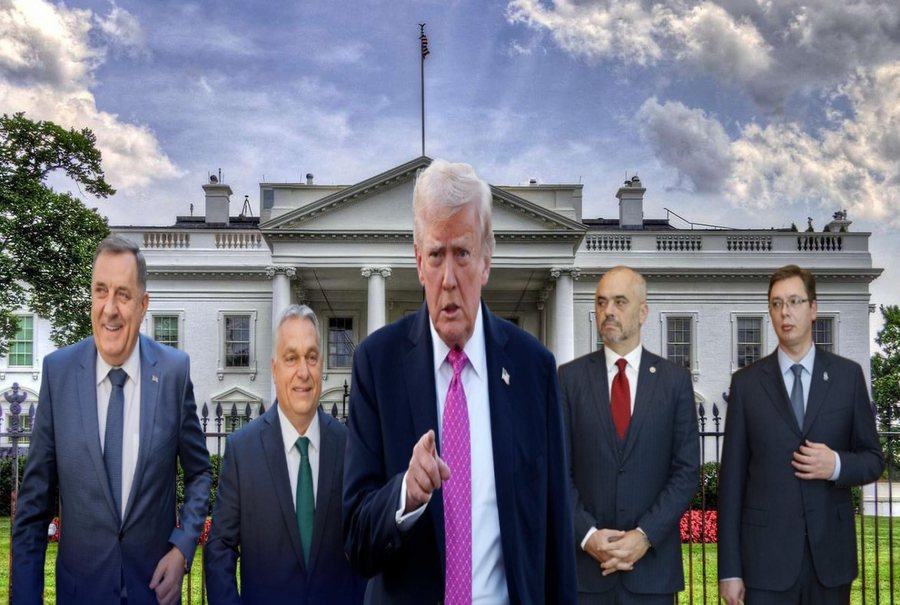
From Orbán to Dodik: a new American model of foreign policy...
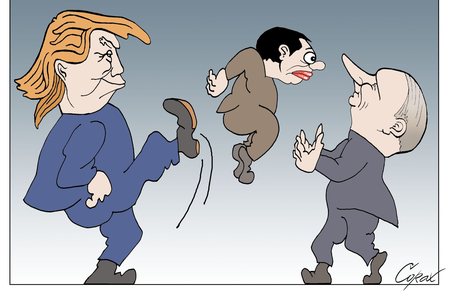
Donald Trump is shaping a foreign policy that is shaking the traditional foundations of Western diplomacy. Instead of defending liberal democracies and the rule of law, the Trump administration seems increasingly willing to cooperate with authoritarian leaders, tolerating them, even rewarding them.
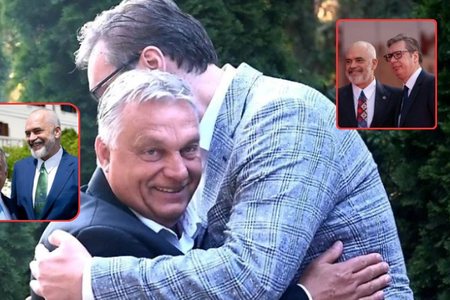
The recent meeting in Washington between Trump and Hungarian Prime Minister Viktor Orbán is the clearest evidence of this new philosophy. The American president hosted at the White House one of the most contested figures in the European Union: the leader who has restricted free media, seized the judiciary and built a system that Brussels defines as an “illiberal democracy”. After they met, the US under Trump granted Hungary an exemption from sanctions on Russian energy, a decision that practically gives Orbán the freedom to buy gas and oil from Moscow without consequences. The move was seen as a political signal: in the Trump era, “friendly autocrats” are not punished, but rather rewarded.
Another example is Bosnia, where the Serb leader of the Republika Srpska entity, Milorad Dodik, benefited from the lifting of US sanctions along with some of his close allies. Dodik, long blacklisted for separatist rhetoric and ties to Moscow, is one of the figures who openly challenges the Dayton Agreement and Balkan stability. However, the Trump administration chose to treat him gently, signaling that pragmatism, or rather, sympathy for strong leaders, outweighs the principles of democracy.
This pattern is also reflected in the way Washington is behaving towards Albania. For the first time in many years, relations with the US seem cold and ambiguous. The post of US ambassador in Tirana remains vacant, while the State Department has reduced its active presence in Albanian internal affairs. Political scandals, abuses of public funds, attacks on the media and justice, once sensitive topics for any US ambassador, today pass in silence.
This American silence has significantly weakened the moral influence that the US had in reforming the Albanian state. Without an active observing eye from Washington, standards of democracy and transparency risk fading under the justification of “regional stability.”
The same thing applies in Serbia. Protests do not stop and the people have risen up against Vučić, but the US remains distant.
Trump seems to see foreign policy as a web of personal relationships, not a system of values. So he respects those who govern with force, who control the system, and who do not bow in the face of international criticism.
In this context, the fragile democracies of the Balkans are at risk. If the US, the historical pillar of democratic reforms in the region, chooses not to speak out, then who will defend the rule of law and fundamental freedoms? Without American guarantees, Albania could slide towards a form of government that maintains a democratic facade but empties its content. And in a climate where autocrats are gaining ground, silence is approval. /Pamphlet


"Demokracitë e brishta të Ballkanit janë në rrezik". "shtetin e së drejtës dhe liritë themelore"sipas 'Diplomatiko' i kërcënon konservatorizmi republikan amerikan dhe Tramp. Diplomatiko: "Shqipëria mund të rrëshqasë drejt një forme qeverisjeje që ruan fasadën demokratike , por e boshatis përmbajtjen". Ka rrëshqitur dhe ka thyer të dyja 'këmbët. Ekzekutiv dhe Parlament. Mazhorancë dhe Opozitë.