


 Shkruar nga Gjergj Zefi
From ceremonial porcelain to the struggle for global dominance: how China is using calm, symbolism, and strategic patience to challenge the West in the 21st century.
In the West, diplomacy often resembles a negotiating room filled with cameras, aggressive statements, and press conferences where leaders measure strength through tone of voice.
In China, the opposite happens. There, the government doesn't speak loudly. It is patient. It observes. It serves a cup of tea and lets time do its work.
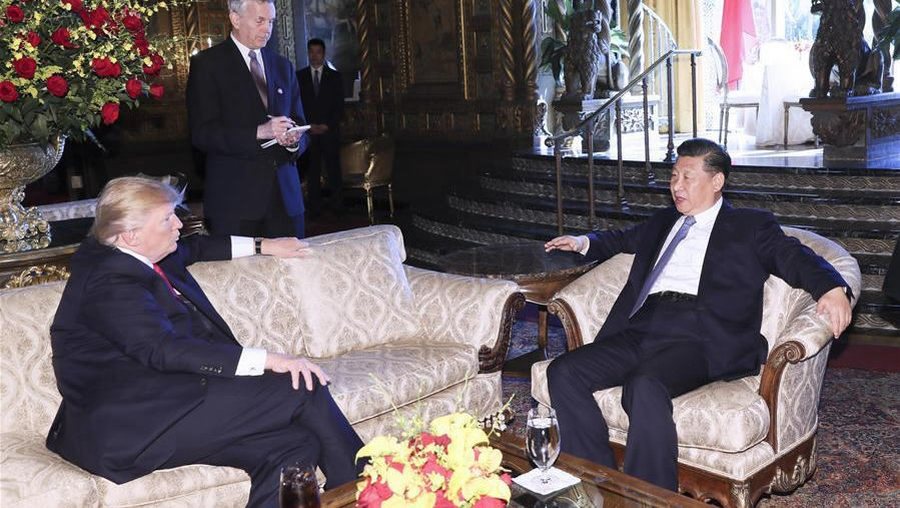
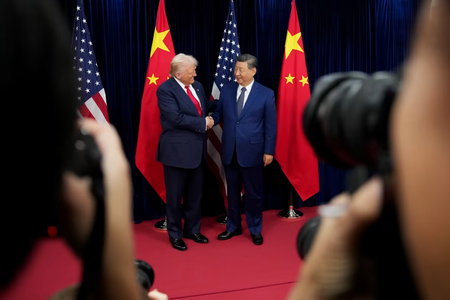
The meeting between Donald Trump and Xi Jinping was not just a political summit. It was a sophisticated theater of civilizations. A psychological duel conducted not in the language of ultimatums, but in the code of oriental symbolism.
Because China doesn't negotiate like America.
Old empires measured power not by speed of reaction, but by the ability to outlast the opponent. And that's where "tea diplomacy" comes in, modern Beijing's most elegant and perhaps most underrated weapon.
In history, the British used the fleet to conquer markets. The Americans used the dollar. The Soviets used tanks. China uses ceremonies.
And the world still hasn't fully understood this.
When Xi Jinping invites a leader for tea at Zhongnanhai, he is not offering hospitality. He is using the psychological stage of conversation. He is setting the pace. He is imposing his calm on the anxiety of the modern world.
In Chinese culture, tea is not drunk in a hurry. Neither is strategy.
The West lives by four-year election cycles; China thinks in decades. America negotiates with the logic of the stock market; Beijing negotiates with the logic of dynasties.
This is the difference that is redefining the global order today.
At the recent summit, as Washington seeks military alliances in the Indo-Pacific and builds technological barriers against China, Xi Jinping chose the symbolism of ceremonial silence. A move that may seem folkloric to the Western eye, but in reality is a show of force.
Because Chinese diplomacy does not aim to dominate the moment. It aims to dominate memory.
There is a frightening historical analogy that the West often forgets: in the 19th century, the British Empire thought China was a tired civilizational giant that could be humiliated with opium wars and commercial imposition. Today, history seems to be taking its revenge with irony.
Now it is China that welcomes Western leaders into its ceremonial halls, as the global economy is shaken by Beijing's decisions on chips, rare earths and supply chains.
In a way, tea diplomacy is the modern version of the "Silk Road": not military conquest, but gradual penetration into global psychology.
And unlike the Cold War between the US and the Soviet Union; a noisy ideological confrontation, the current US-China rivalry is unfolding with a much more dangerous calm.
It is the rivalry of strategic silence.
In Beijing, no one needs to bang their fists on the table. A long pause over a cup of tea is enough to send the message:
"China has time. Does the West?"
In this regard, Trump found himself faced with a situation that America often underestimates: Chinese historical patience.
The US operates with the logic of immediate results; China operates with the logic of gradual accumulation of influence.
That's why Beijing invests in African ports, Asian routes, Middle Eastern energy, and artificial intelligence without the need for American public triumphalism. China doesn't want applause. It wants strategic dependence.
And perhaps that is why "tea diplomacy" is the perfect metaphor for the 21st century.
The tea seems mild. Untroubled. Almost innocent.
But in the hands of a thousand-year-old civilization, it becomes an instrument of power.
In the end, the Trump-Xi summit was not just a meeting between two leaders. It was a confrontation between two concepts of the world: one built on strength, the other on strategic patience.
And history has often shown that civilizations that know how to wait are the ones that survive the longest./ Pamphlet


Bukur si artikull smund ti shtosh apo heqesh gje! Kam vetem 1 pyetje... e keni shkruar vete apo e keni "huazuar" nga diku!
Sa te pije cajin e te ngreje Murin Kinez China, USA i ka bere dermen. Pse kruhet USA me te gjithe eshte tjeter gje e nje nga nje ua ha gabzherin kujtdo. Gjene me te bukur e te mencur qe ka USA eshte se te gjithe qytetaret kane arme neper shtepi e ne rast se shtetit i merr koka ere e tradheton popullin, populli i del per zot Atdheut, sic beri Selam Musa Salaria me popullin e Vlores. Prandaj nuk i heqin armet Amerikanet e i lejojne per popullin, pamvaresisht ca demeve kolaterale. E harruat se c'na beri tradhetari maloku mbreteruc Zogu. Mundoheni te beni ca artikuj me fraza te sterfryra per te mbushur faqet e portalit. Doni flet mufka ore e minute dhe e ka fjalorin jo me shume se 200 fjale, genjen majtas djathtas e c'thote sot e mohon neser e ju na beni edukate morale e qytetare. Politiken Shqiptare e ka zene diarrea ketu e 35 vite, mban pampers e del na ben analizen e qyteterimit te botes. Shumica e Amerikaneve kane te ngritur flamurin neper shtepite e tyre qe tregon Atdhetari superiore. Te mesojme vehten e brezat e rinj ta mbajne flamurin te valevitet neper shtepi e pastaj tu bejme analiza te tjereve.