


 Shkruar nga Pamfleti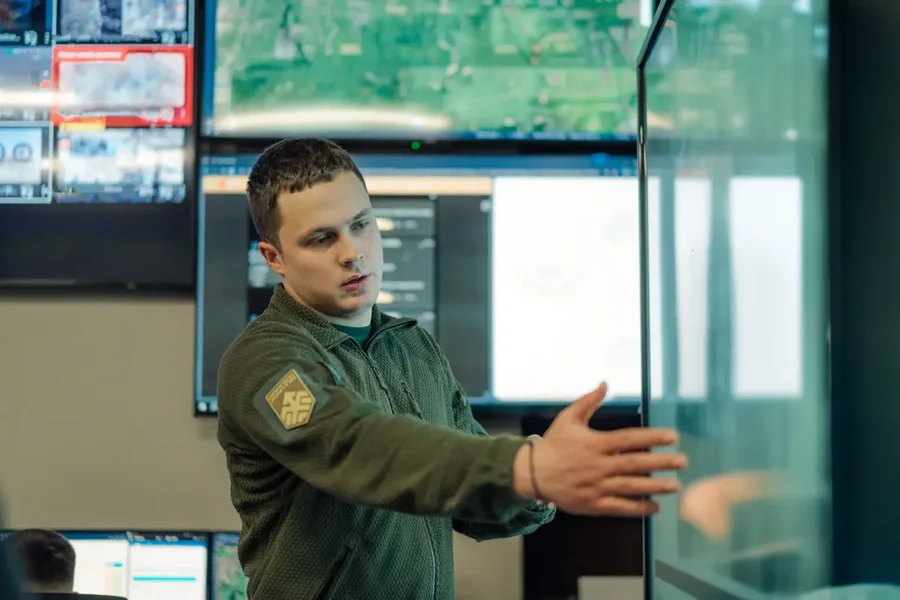
The "Chartia" corps defends one of the key points in eastern Ukraine, while success on the ground directly affects negotiations to end the war.
The room resembles a command post. Concrete, windowless, and a long table. Around it sit Ukrainian officers, including Oleksi. As head of the intelligence sub-branch (G2, in NATO terminology), he presents scenarios for the future movements of the enemy, Russian forces beyond what is called the “kill zone.”
Oleksiy serves in the 2nd Corps of the Ukrainian National Guard, known as “Chartia.” He and his colleagues have traveled to Switzerland for the World Economic Forum, where they are meeting politicians, business representatives, and journalists. Skeptics call it propaganda; in NATO terminology, it is called strategic communication.
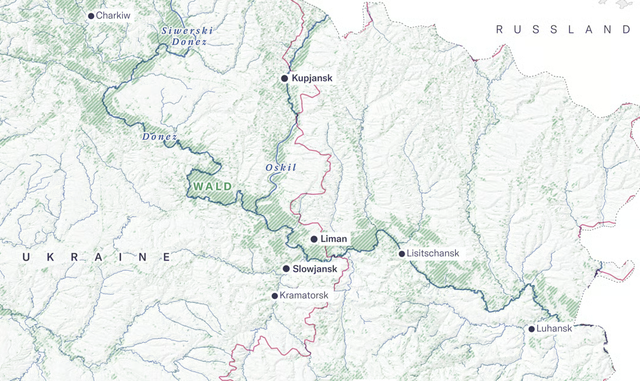
The “Chartia” corps was created after the Russian invasion of 2022 from volunteers from the Kharkiv region. Today, it plays a central role in active defense along the front line. Its Telegram channel shows footage of clashes in Liman, Kupyansk and other strategic areas.
According to Oleksi, every battle ends as a war of attrition. Essentially, the battle is fought for control of key positions, decisive for the course of the conflict. It is precisely these areas that were targeted by the Russian offensive last summer, although the front in the east remains frozen.
The terrain is the same as where, in late 1943, the Red Army repelled the German Wehrmacht: the same rivers, forests, and urbanized areas. What has changed is the way of fighting. Unlike in the past, when large-scale maneuvers allowed for rapid movements, today the front moves slowly.
"In the end, every war is a war of attrition," Oleksi emphasizes. The goal is to gradually weaken the opponent, destroy their means, and impose their will.
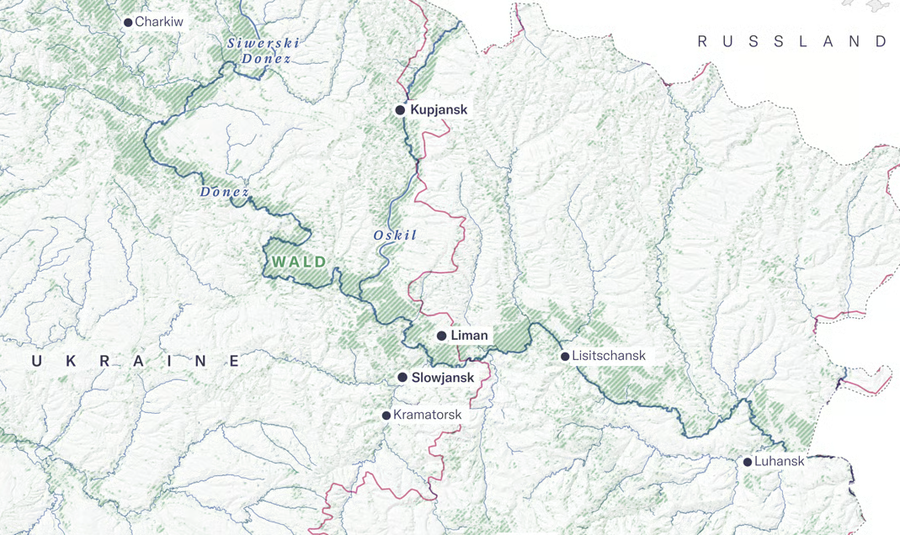
In this reality, neither large numbers of troops nor advanced technology are enough. Knowledge of the terrain is crucial. Oleksi prefers traditional analysis with a paper map, pencil and chalk, because, according to him, it gives him a more complete understanding of the space and the battlefield.
This approach fits with the role of the Charter, which was upgraded from a brigade to a corps last year. Kiev sees the unit as the core of a renewed Ukrainian army. The commander, Colonel Ihor Obolensky, runs the structure according to NATO standards, including public communications.
The corps' intelligence team regularly documents operations. The footage shows the fear, pain, and doubts of soldiers facing Russian superiority.
Për të triumfuar në një luftë të tillë rraskapitëse, as numri i madh i burrave dhe as pajisjet superiore nuk janë të mjaftueshme: "Vetëm ata që e kuptojnë terrenin mund të vendosin se ku ndodh rraskapitja dhe ku mund të shmanget", shpjegon Olexi. Pavarësisht të gjitha transmetimeve të dronëve dhe ekraneve elektronike të ndërgjegjësimit për situatën, ai preferon të punojë me stilolaps dhe shkumës kur analizon terrenin.
"Unë preferoj një hartë letre, ajo ofron më shumë perspektivë, një ndjesi më të mirë thellësie dhe një kuptim më të mirë të fushëbetejës dhe terrenit brenda kontekstit të përgjithshëm", thotë ai.
Koloneli Ihor Oboliensky, drejton pesë brigadat e tij vartëse në mënyrë strikte.
Ekipi i oficerit të shtypit dhe informacionit të korpusit, një oficer i ri i shtabit si Olexi, ka dokumentuar plotësisht operacionet e javës së kaluar. Ditët e fundit, ekipi i komunikimit publikoi dy intervista të gjata me luftëtarë që morën pjesë në çlirimin e qytetit të Kupyanskut.
Një prej tyre është “Cooper”, një vullnetar kanadez dhe sanitar, i cili humbi një këmbë gjatë luftimeve. Në një video, ai shpjegon se pse erdhi në Ukrainë: jo për klishe, por sepse kërkonte më shumë kuptim në jetën e tij. "Cooper" rrëfen se si ai, si pjesë e një grupi, u zvarrit përmes pyllit deri në vijën e frontit. Disa nga pamjet nga kamera e tij GoPro janë ndryshuar për të parandaluar armikun të fitojë njohuri taktike dhe për të mbrojtur shtigjet dredha-dredha që të çojnë nga prapavija përmes pyllit në front. Këto janë linjat e fshehta të furnizimit të ukrainasve në periferitë veriore të Kupyansk. "Cooper" humbi këmbën në betejën për qytetin.
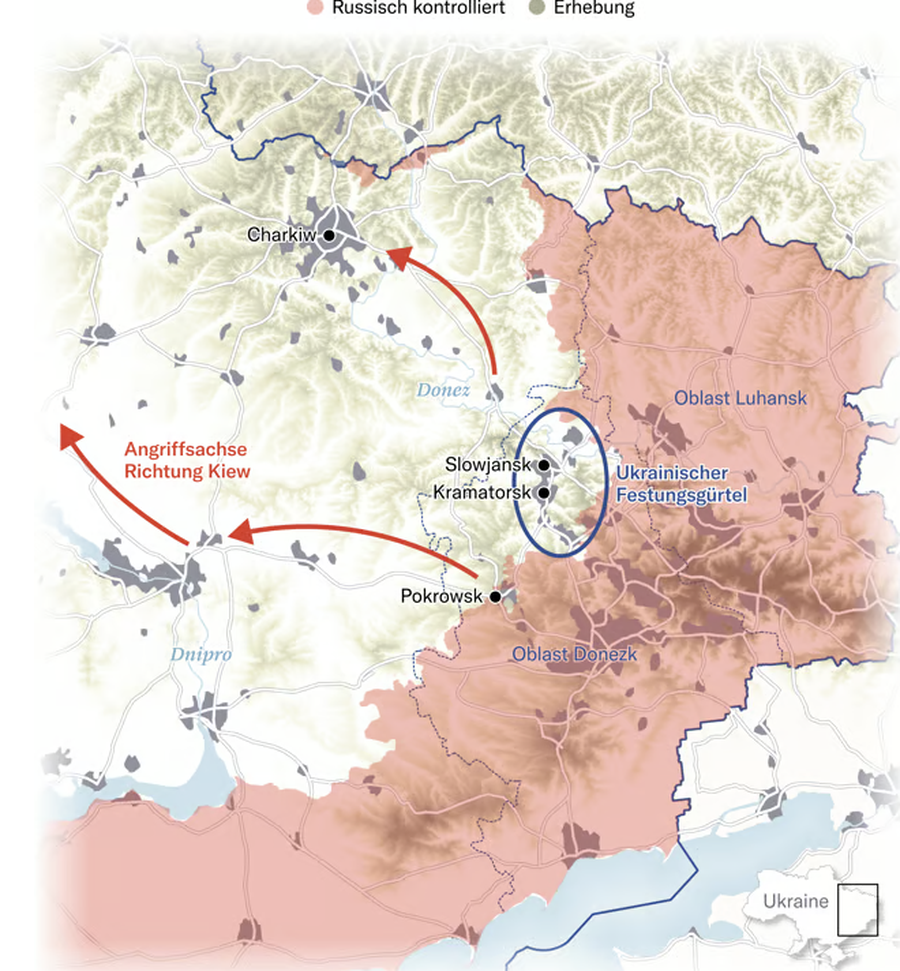
Beteja për Kupjansk vazhdon prej muajsh. Rusia e shpalli marrjen e qytetit në dhjetor, ndërsa në janar “Chartia” publikoi pamje të flamurit ukrainas mbi bashki. Ky duel simbolesh në hapësirën informative lidhet drejtpërdrejt me negociatat për paqe. Një plan rus-amerikan prej 28 pikash, i bërë publik në nëntor, parashikonte de facto kapitullimin e Ukrainës, por zhvillimet në Kupjansk e dobësuan këtë narrativë.
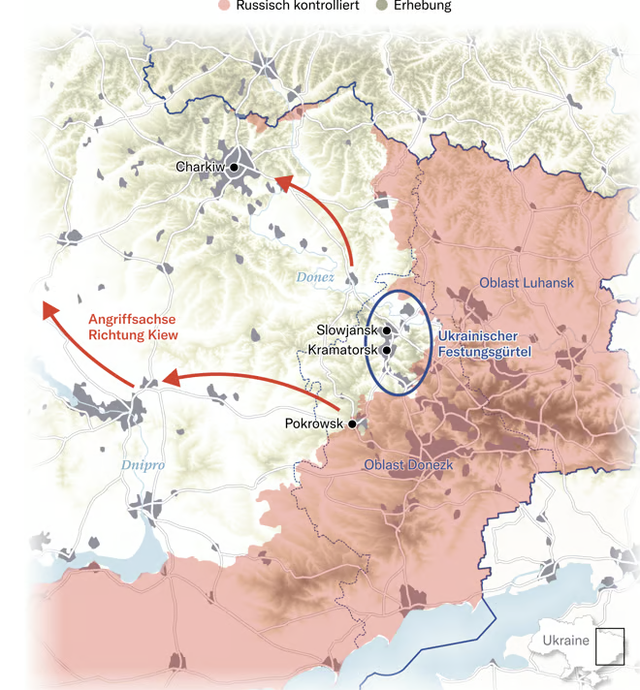
Ndërkohë, bisedimet diplomatike vazhdojnë, me Rusinë që kërkon edhe tërheqjen e Ukrainës nga zona të paokupuara të Donbasit. Kievi i refuzon këto kërkesa, duke e parë terrenin urban dhe fortifikimet si garanci kundër një avancimi të shpejtë rus.
Përpjekja për ta konsoliduar “Chartia”-n si korpus synon të lidhë objektivat strategjike të Kievit me realitetin operacional në front. Suksesi në Kupjansk është rezultat i planifikimit të integruar: nga shfrytëzimi i terrenit deri te komunikimi strategjik. Një fjalim i shkurtër i presidentit Volodimir Zelenski në një zonë të çliruar të qytetit u shndërrua në simbol force dhe përmirësoi pozicionin negociues të Ukrainës.
According to Oleksiy, the war is not just about territory. Russia aims to wear down the West and undermine support for Kiev, while a constant competition for innovation and tactics is taking place on the front. Ukraine has the advantage of incorporating civilian knowledge into the army, but this is not enough. “Russia is a state that learns and adapts,” he emphasizes. “This is not a territorial conflict, but a fight for our existence.” /Adapted from Neue Zürcher Zeitung /





Lini një Përgjigje