


 Shkruar nga Pamfleti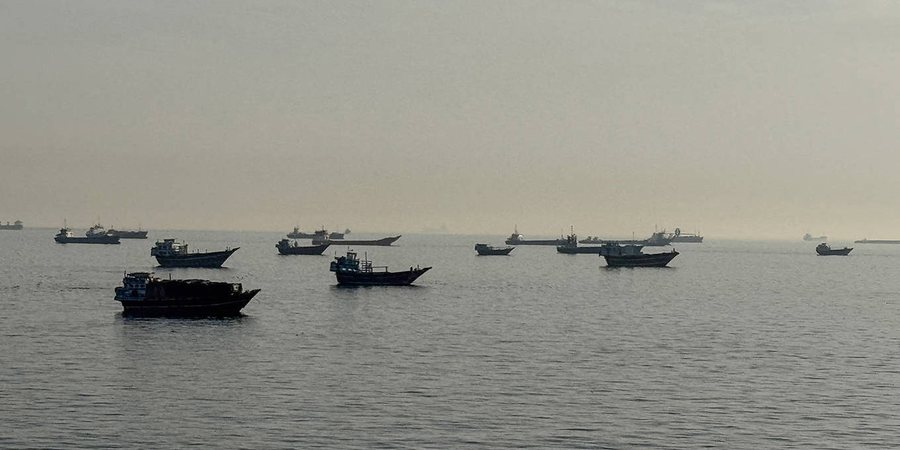
Donald Trump has three main objectives in the Persian Gulf: to dismantle the Iranian nuclear program, to permanently reopen the Strait of Hormuz, and not to be the President who will be blamed for the “loss” of Taiwan to China…
A partial reopening of the Strait of Hormuz may be on the horizon. But is a sustainable regional solution any closer?
The prevailing narrative is that the United States has lost control of the situation in the Persian Gulf. And it is certainly true that Iran has gained a powerful card, the ability to threaten shipping in the Strait, which it did not have before. In this sense, the balance of power in its relations with the United States has shifted in Iran’s favor. This shift, coupled with the similar American blockade of Iran-related shipping, implies four possible scenarios: China brokers a lasting peace; Iran descends into chaos; the United States withdraws altogether; or a vague version of the status quo continues.
The good news for US President Donald Trump is that he still holds the initiative and can likely choose the scenario he prefers. But Trump still faces a major problem, because he has three main objectives: to dismantle Iran’s nuclear program, to permanently reopen the Strait, and not to become the president who will be blamed for the “loss” of Taiwan to China. The bad news for Trump is that he can achieve, at best, only two of these objectives.
After his recent summit with Chinese President Xi Jinping, Trump seems to be hoping that China’s engagement in the Persian Gulf will go beyond its current behind-the-scenes role. China could certainly help broker a peace deal that would address what is perhaps the most important issue for the US, the Iranian nuclear program, while also giving Iran what it wants most: massive infrastructure investment (and an end to the bombings).
Unfortunately, after the Trump-Xi summit, it is becoming increasingly clear that the price China will ask for inclusion will be high. Although China imports more than 11 million barrels of oil per day and therefore wants lower crude prices, it has large reserves and seems confident that it can afford prices around current levels. China also sources about a quarter of its liquefied natural gas imports from Qatar, where production remains severely constrained by ongoing fighting and extensive infrastructure damage.
Por në përgjithësi, perspektiva që Kina të fitojë kontrollin mbi Tajvanin mbetet çështja më e rëndësishme. Udhëheqësit kinezë do të kërkojnë një seri lëshimesh nga SHBA-ja, ndërsa njëkohësisht do të përpiqen t’i bindin tajvanezët se do të ishin më mirë nën Kinën. Strategjia optimale kineze është të jetë e dobishme, por të mos e nxjerrë SHBA-në nga vështirësitë shumë shpejt. Dobësia globale amerikane ndihmon në projektimin e fuqisë rajonale kineze.
Në skenarin e dytë, Trump ndërmerr sulme të mëtejshme, qoftë të përzgjedhura (si ndaj rrugëve tokësore iraniane të eksportit), qoftë të gjera (siç ka kërcënuar tashmë disa herë). Askush nuk vë në dyshim aftësinë e ushtrisë amerikane për të vrarë shumë njerëz dhe për të shkatërruar ura, rrugë dhe ndërtesa. Por, ndërsa kjo strategji mund ta bëjë Iranin të paqeverisshëm, ajo nuk i jep fund rezistencës së armatosur.
Duhet kujtuar se kërcënimi kryesor ndaj Ngushticës së Hormuzit vjen nga dronët me kosto të ulët dhe të lehtë për t’u operuar. Nëse Irani fragmentohet në fraksione ndërluftuese, a do ta zvogëlonte kjo apo do ta rriste kërcënimin ndaj Ngushticës? Nëse një formë e kërcënimit nga dronët mbetet, a do të jenë të gatshme cisternat e naftës (si edhe ekuipazhet dhe kompanitë e sigurimit) të kalojnë përmes Ngushticës? Niveli real i dhunës që nevojitet për të kufizuar trafikun e cisternave është i vogël, rezultati varet nga besueshmëria e kërcënimit. Në këtë skenar, Ngushtica nuk hapet në mënyrë të qëndrueshme, konflikti ka shumë gjasa të shkaktojë dëme të konsiderueshme për fqinjët e Iranit në Gjir dhe paqëndrueshmëria kronike rajonale i përkeqëson kushtet pothuajse për të gjithë.
Në skenarin e tretë, të cilin Trump e ka paralajmëruar gjithashtu, SHBA-ja lan duart nga situata, duke u thënë vendeve të Gjirit, Bashkimit Evropian ose dikujt tjetër të marrë përgjegjësinë. Kjo mund ta rihapte Ngushticën, por ka të ngjarë sipas kushteve të negociuara nga Irani dhe Kina. Për SHBA-në, ky skenar nënkupton zero progres në programin bërthamor iranian, duke e bërë luftën më keq se të pakuptimtë: Irani fiton kontroll efektiv mbi Ngushticën dhe SHBA-ja largohet pa fituar asgjë. Do të ishte shumë e vështirë që Shtëpia e Bardhë ta paraqiste këtë histori si një fitore.
Kjo na çon te skenari më i mundshëm në afat të shkurtër: një armëpushim i pasigurt që prishet periodikisht. Kur SHBA-ja është më pak konfrontuese, anijet mund të lëvizin përmes Ngushticës. Por nëse SHBA-ja godet përsëri, Irani mund të bllokojë trafikun në mënyrë proporcionale.
Periods of mutual openness and easing of tensions could ease pressure on global prices for oil, natural gas, plastics, and fertilizers, potentially creating space for limited confidence-building measures and, over time, for the resumption of negotiations on the nuclear issue. But this is a narrow path over a fragile chasm, which could collapse at any moment before a final agreement is reached. And while the Trump administration might argue that nuclear issues are now on a “special path,” the US would have made no progress in this regard.
In all this, Russia will be the big winner and potential disruptor. With oil prices rising and U.S. sanctions on the Russian oil industry effectively lifted, President Vladimir Putin has the hard currency he needs to finance his war in Ukraine. Putin wants the Americans to remain embroiled in the conflict, constantly embarrassed, and forced to allow maximum Russian oil exports. In all conceivable scenarios, Russia should be expected to supply Iranian forces with drones and missiles, a highly profitable business model for the Kremlin.
Whether Trump appeals to a transactional Xi Jinping, risks a wider regional disintegration, or accepts an unstable equilibrium, the era of implicit and uncontested American control over the Persian Gulf is over. What is emerging in its place is likely to be a more complex and fragmented regional equilibrium, in which the Strait of Hormuz remains open only conditionally, with significant consequences for global economic stability. /Adapted from The Spectator Pamphlet /


Lini një Përgjigje