


 Shkruar nga Pamfleti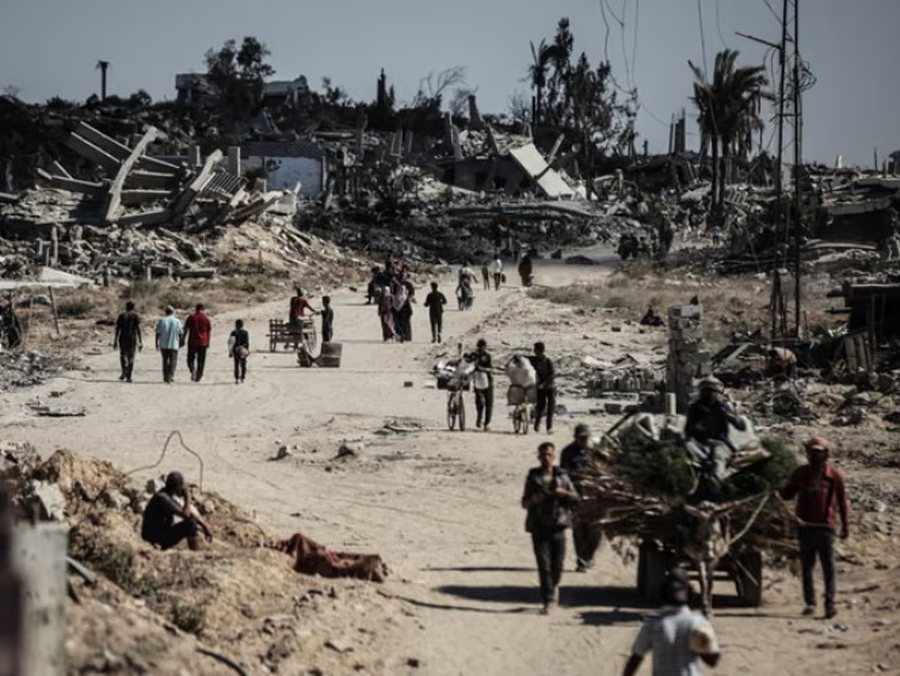
Hamas has announced that it will begin handing over the first four bodies, in an attempt to calm the situation and preserve the agreement with international mediators.
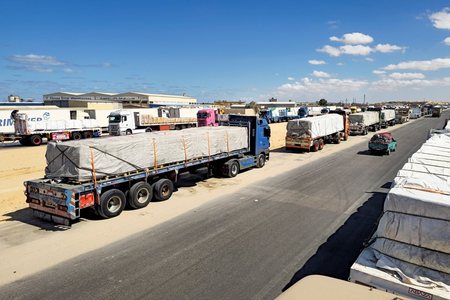
The situation in the Gaza Strip is escalating again, after Israel decided to keep the Rafah crossing closed indefinitely and significantly reduce humanitarian aid entering the territory. The reason for this action was the failure to fully hand over the bodies of Israeli hostages killed during the conflict with Hamas.
Of the 28 known bodies still in Gaza, only four have surrendered so far. This move has been deemed insufficient by Israeli authorities, who see it as a violation of the ceasefire agreement. As a result, the border remains closed and the entry of aid, including food, water and medicine, has been significantly reduced.
Meanwhile, Hamas has announced that it will begin handing over the first four troops, in an attempt to calm the situation and preserve the agreement with international mediators. The full handover of troops takes time, according to their claims, but this delay is increasing tensions on the ground.
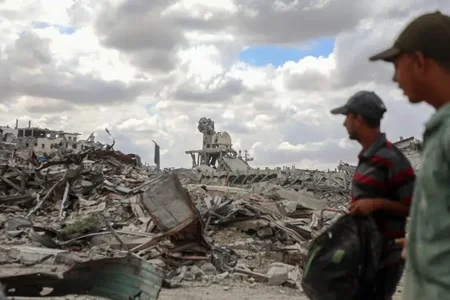
The humanitarian consequences of this impasse are severe. Thousands of civilians in Gaza, especially in the south, are living in extreme conditions, while supplies of food, drinking water and medical aid are almost completely cut off. International organizations have warned of the risk of a new humanitarian catastrophe if the borders are not urgently opened and aid is not allowed to enter unhindered.
This escalation comes at a delicate moment for the ceasefire agreement between Israel and Hamas, which was brokered by international actors and was seen as a first step towards stability in the region. However, the failure to fully implement the conditions, delays and unilateral actions are putting the entire process at risk.
Tensions are also rising within Israel itself, with families of the hostages demanding the full return of the bodies, while the Israeli government is under pressure to maintain its tough stance on Hamas. On the other hand, the international community continues to call for restraint and to prevent a humanitarian crisis from being used as an instrument of political pressure.
As the world watches developments with concern, the future of the ceasefire remains in question, and any delay in implementing the conditions could bring irreparable consequences for the civilian population and for the Middle East peace process. /Pamphlet


Lini një Përgjigje