


 Shkruar nga Pamfleti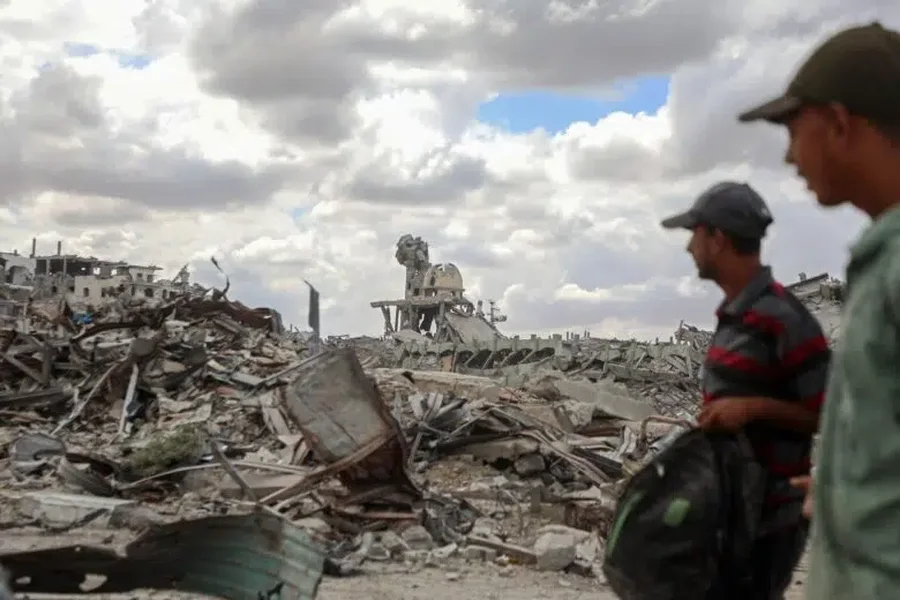
The first phase of the peace plan ends with political glory, while the second phase raises big questions about the future of the region.
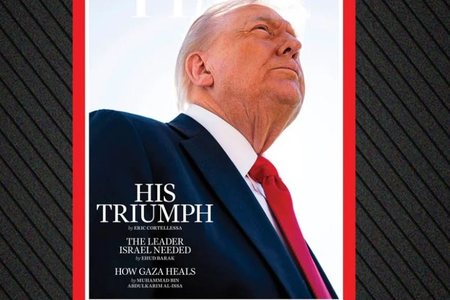
After a 24-hour trip to the Middle East, former President Donald Trump returned to Washington on Tuesday morning, announcing the end of the first phase of his Gaza peace plan, a ceasefire between Israel and Hamas, the release of hostages and a military withdrawal from most of Gaza.
On Monday, after more than two years in captivity, the last 20 hostages held by Hamas were released. The initial Hamas attack on October 7, 2023, caused 1,200 casualties and led to the kidnapping of over 250 people.
In his speech to the Israeli Knesset, Trump declared this agreement as another “ global conflict closed under my presidency .”
" Yesterday there were seven, today there are eight. The hostages are back. The hostages are back ," he said enthusiastically.
In total, over 150 hostages have been released during various ceasefires, while around 80 have been confirmed killed. Around two dozen bodies are still missing, an issue that has already sparked new tensions.
Everything went according to plan… for now.
From an objective perspective, the first phase of Trump's 20-point plan was implemented without much hitch. Israel withdrew from most of Gaza, while vital aid, food, water and medicine, began to flow into the territory. Hamas released all hostages within 72 hours, while Israel released 250 Palestinian prisoners and 1,700 people arrested after the October attack.
But there are still unresolved issues. Hamas has only handed over four of the 28 bodies of the dead hostages, a move considered a violation of the agreement. The Forum of Families of Hostages and Disappeared demanded the immediate suspension of the ceasefire.
"The violation by Hamas must receive a serious response from the Israeli government and international mediators," the forum's statement said.
Phase two: more than peace, a political transformation
Trump's full plan envisages a profound transformation of the region. The most delicate point: Hamas to hand over power in Gaza, which it has controlled for 17 years, and disarm. The Palestinian Authority will take control, but only after it carries out deep reforms. This part has not yet received the consensus of Hamas, which refuses to lay down its weapons without Israel withdrawing from all occupied territories.
Trump expressed optimism during the signing ceremony of the agreement in Egypt: "This agreement will stand. It is time for Israel to taste the fruits of victory. You have won everything that could be won with weapons."
But for many experts, the optimism is premature. Senator Lindsey Graham declared: “Disarming Hamas will require an effort the likes of which the region has never seen before.”
Amnesty for Netanyahu?
Two Israeli lawmakers were ejected from the Knesset during Trump's speech after calling for recognition of a Palestinian state and "justice for the Palestinian people." Meanwhile, Prime Minister Benjamin Netanyahu continues to reject any idea of a Palestinian state, despite Trump's plan eventually providing for one.
Trump has caused another political storm by asking Israeli President Isaac Herzog to pardon Netanyahu on corruption charges. The request comes at a critical time, as Netanyahu is due to testify in court on Wednesday. Critics claim he is prolonging the fight to avoid facing justice.
"It was the right moment. Even though it's a sensitive subject, the people were fantastic," Trump told reporters on the way back to Washington. /Adapted from "The Hill"


Lini një Përgjigje