


 Shkruar nga Pamfleti
While Iran and the US are said to be close to a deal at the moment, both sides remain distant, unable to formalize the extension of the ceasefire and the opening of the Strait of Hormuz. This is because the uranium issue will remain unresolved and will be a key part of the upcoming negotiations. These talks are likely to focus on the nearly 440 kilograms of uranium enriched to a level of 60%.
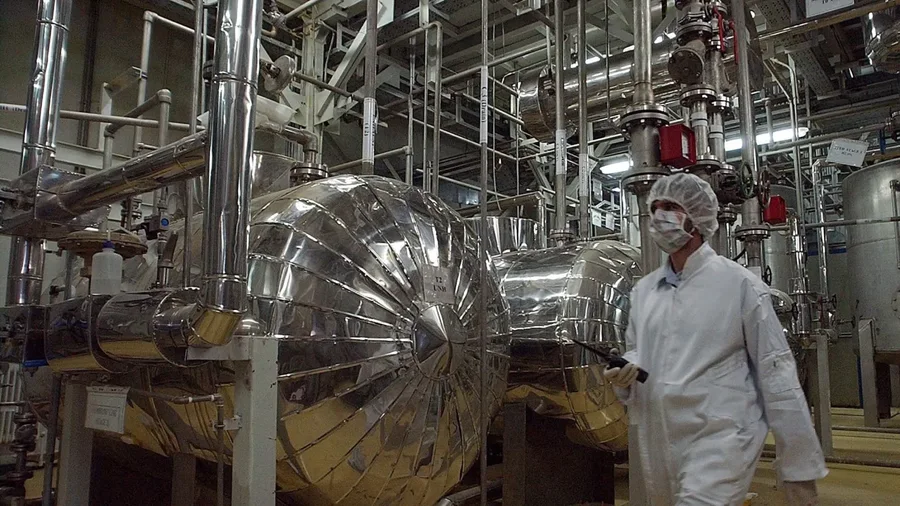
The fate of Tehran's enriched uranium, including highly enriched quantities that could be used to build a nuclear weapon, remains one of the main points of friction, if not the main one, between the US and Iran, resulting in a stalemate in negotiations that have been underway for weeks to end the war between them.
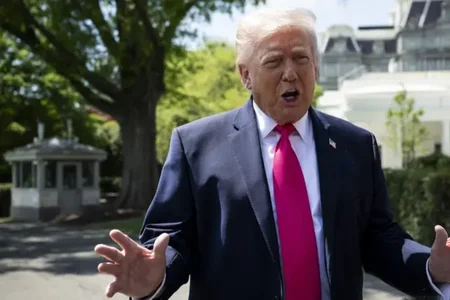
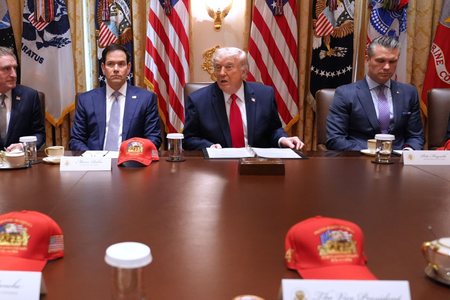
The same thing happened on Friday evening, with Trump's meeting in the White House operations room ending after two hours without a decision, as the two sides have diametrically opposed views on uranium.
Donald Trump has repeatedly said that Iran must hand over what he calls its "nuclear dust." Iranian officials, for their part, have argued that the country has the right to a nuclear program for peaceful purposes.
But with the right equipment, highly enriched uranium, Iran could achieve weapons-grade purity within weeks or even days, according to nuclear experts. "And that's enough for 10 nuclear weapons," international inspectors say, as CNN reports.
While Iran and the US are said to be close to an agreement at the moment, both sides remain distant, unable to formalize the extension of the ceasefire and the opening of the Strait of Hormuz.
This is because the uranium issue will remain unresolved and will be a key part of future negotiations. These talks are likely to focus on the nearly 440 kilograms of uranium enriched to a level of 60%.
"The US should not accept an agreement that does not include the removal of highly enriched uranium," said Eric Brewer, a nuclear materials expert for the nonprofit Nuclear Threat Initiative (NTI).
Building a nuclear weapon is a long process.
Building a nuclear weapon requires a significant amount of heavy radioactive elements, or what experts call fissile material. One such radioactive isotope, uranium-235, exists in nature, but makes up less than 1% of the raw uranium ore mined.
Enrichment concentrates uranium-235 from raw ore and prepares it for conversion into fissile material that can be used to make weapons.
Iran enriched its uranium by converting it into gas and spinning it in a series of centrifuges in underground facilities, primarily at the Natanz, Fordow, and Isfahan nuclear complexes.
Besohet se gati 500 kilogramë uranium i pasuruar 60% i Iranit mbeten në formë të gaztë, siç është verifikuar për herë të fundit nga Agjencia Ndërkombëtare e Energjisë Atomike në qershor 2025. Kjo për shkak se Irani bllokoi inspektorët ndërkombëtarë bërthamorë muajin pasardhës pas sulmeve ajrore të përbashkëta SHBA-Izrael në objektet e tij.
Pasurimi i mëtejshëm deri në pastërtinë 90%, që konsiderohet pragu për ndërtimin e një arme bërthamore, do të "zgjatte vetëm disa ditë deri në javë" nëse Irani ka një strukturë pasurimi funksionale, shtoi Brewer.
Sulmet e qershorit 2025 ndaj objekteve bërthamore të Iranit, në “Operacionin Çekani i Mesnatës”, rezultuan, sipas agjencive të inteligjencës amerikane, në varrosjen e një pjese të madhe të rezervave të uraniumit të pasuruar shumë të Iranit në Isfahan, pa u shkatërruar, pavarësisht deklaratave të qeverisë se programi bërthamor i Iranit nuk përbënte më kërcënim.
Kërcënimet e Trump dhe shqetësimet e ekspertëve
Më herët këtë muaj, Trump kërcënoi të “ndërhyjë”, madje edhe me forcë, për të rikuperuar uraniumin nëse negociatat dështojnë. CNN zbuloi në mars se zyrtarët ushtarakë amerikanë kishin shqyrtuar një operacion të tillë që synonte kompleksin bërthamor të Isfahanit. Megjithatë, ata vlerësuan se operacioni mund të kërkonte qindra, nëse jo mijëra, trupa dhe të rrezikonte viktima të rënda.
Ekspertët bërthamorë janë të shqetësuar se një operacion ushtarak amerikan mund të gjejë dhe verifikojë të gjithë uraniumin, e lëre më ta heqë atë në mënyrë të sigurt. Për më tepër, kryerja e një operacioni të tillë në kushte jashtëzakonisht armiqësore do të ishte e pashembullt.
"Nuk e dimë se ku mund ta ketë shpërndarë Irani një pjesë të këtij materiali uraniumi para sulmeve", tha Brewer.
Mbetet e paqartë nëse Irani aktualisht ka aftësinë për të pasuruar uraniumin në nivelin 60% të nevojshëm për të prodhuar një kokë bërthamore, por para sulmeve të vitit 2025 ai kishte objektet e duhura, shtoi Brewer.
Kur Kina përfundoi pasurimin e uraniumit në vitin 1964, iu deshën vetëm “tre deri në pesë javë për ta shndërruar gazin në metal dhe për të montuar një bombë atomike”, tha fizikani i Harvardit dhe eksperti i energjisë bërthamore në Kinë, Hui Zhang, për Buletinin e Shkencëtarëve Atomikë vitin e kaluar.
Pse është e nevojshme heqja?
Scott Rocker, i cili shërbeu si kreu i Zyrës për Heqjen e Materialeve Bërthamore të Administratës Kombëtare të Sigurisë Bërthamore dhe tani mbikëqyr programin e sigurisë së materialeve bërthamore të NTI-së, i tha CNN-së se heqja e uraniumit të pasuruar dobët nga Irani mund të jetë e nevojshme për të penguar punën e ardhshme mbi armët bërthamore.
This is because Iran has developed the capabilities and experience to produce advanced centrifuge machines that can enrich uranium quickly and efficiently.
While Iran has insisted it is not seeking to build nuclear weapons, Rocker said its stockpiles of highly enriched uranium are indicative of its intentions.
"There is no credible political purpose for this material," he said, adding that the "main focus" of negotiations with the US should be its removal.
How can uranium be removed?
According to Rocker and Brewer, there are two main options for removing or neutralizing Iran's stockpiles.
One possible option would be to convert uranium gas into a "fundamentally more stable" powder form, Rocker said, making transportation significantly safer.
In the event of a peaceful, US-led withdrawal, the Department of Energy's National Nuclear Security Administration has a mobile uranium facility that can be deployed from its headquarters at Oak Ridge National Laboratory in Tennessee to any part of the world and "stabilize, package, and remove nuclear materials." This process is likely to take weeks.
Russia also has the option to accept enriched uranium, as it did under the 2015 Iran nuclear deal, Roker noted.
A second option, known as "low-mixing," could be developed on Iranian soil. Low-mixing would involve diluting highly enriched uranium with low-purity uranium to reduce its concentration to a level of 235.
The key to any successful removal, regardless of the method, is the ability of the US and the international community to monitor and verify the process.
Brewer said verification would be difficult even if Iran cooperated fully.
"You risk Iran saying, 'We can't explain those 100 kilograms of uranium because they exploded in the attacks,' and you'll never know whether that's true or not, right?" Brewer said.



Lini një Përgjigje