


 Shkruar nga Pamfleti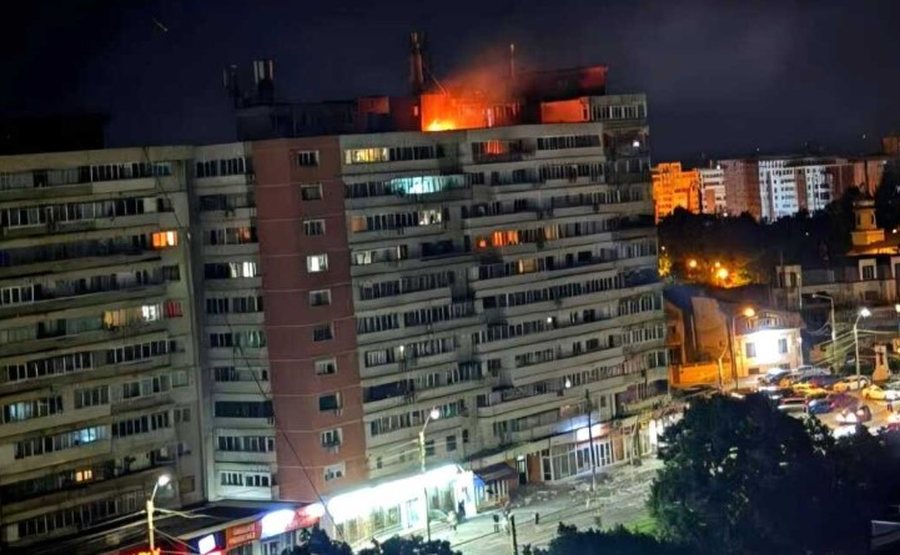
According to the assessments of many European officials, the war is not only about control of Ukrainian territories, but also about the future of the European order created after the end of the Cold War.
Part of Europe is increasingly preparing to face threats related to Russia, and it is not just about Ukraine. The entry of a Russian drone into the airspace of Romania, a NATO member, has raised the alarm in Bucharest and revived a question that has been circulating in European chancelleries for months: how far is Russian President Vladimir Putin willing to go to break the deadlock in the war in Ukraine?
The incident comes at a time when Moscow is intensifying its attacks on Kiev and when there is growing concern among Western allies that the Kremlin may try to change the balance of power in the conflict by expanding its sphere of action. There is no evidence that Russia is preparing a conventional offensive against a NATO country. However, a series of signals, statements and movements have convinced many European governments that the risk of a dangerous escalation can no longer be ruled out.
After more than four years of fighting, the conflict in Ukraine has entered a phase that resembles the great wars of attrition of the last century. Neither side has managed to secure a decisive turning point. The front lines move slowly, while territorial gains are measured in villages and square kilometers. Behind this stable appearance hides enormous military, political and economic pressures.
Russia continues to pound Ukrainian cities with waves of missiles and drones. The attacks on Kiev have become more frequent and intense, creating the impression that the Kremlin is aiming not only for military targets but also for psychological influence on the Ukrainian population and on the Western governments that support Kiev.
In parallel, official Russian rhetoric towards other European countries has become more aggressive. The Baltic republics have engaged in increasingly direct threatening statements. Latvia has been accused of harboring Ukrainian drone operators, and, on the basis of these allegations, Russian officials have mentioned the possibility of striking what they call “decision-making centers.” Riga has categorically rejected these accusations, considering them a possible justification for attacks by Moscow.
Lithuania has also experienced moments of tension after several drones, suspected of coming from neighboring Belarus, forced authorities to activate emergency procedures and transfer members of the government to protected shelters.
Në një veprim që shumë kryeqytete perëndimore e konsideruan provokues, Ministria ruse e Mbrojtjes publikoi adresat e kompanive evropiane që sipas saj bashkëpunojnë me industrinë ushtarake ukrainase. Këto kompani ndodhen në vende të ndryshme të kontinentit. Mesazhi i nënkuptuar ishte se vazhdimi i mbështetjes për Kievin mund të ketë pasoja.
Për të kuptuar këto kërcënime, vëmendja duhet të përqendrohet te situata në fushën e betejës. Ushtria ruse po përballet me humbje të konsiderueshme njerëzore dhe shumë shërbime inteligjence vlerësojnë se niveli i humbjeve mujore ka arritur përmasa që mund të jenë të vështira për t’u përballuar në afatgjatë.
Deri tani, Putin ka shmangur një mobilizim të përgjithshëm me shërbim të detyrueshëm ushtarak për të gjithë qytetarët. Ai është mbështetur te stimujt financiarë, rekrutimet rajonale, përfshirja e të burgosurve dhe kontratat me pagesa të larta. Megjithatë, sipas vlerësimeve të ndryshme, kjo strategji po tregon shenja konsumimi.
Një mobilizim i përgjithshëm do të kishte pasoja të rëndësishme. Në planin e brendshëm, ai mund të rihapte tensione që autoritetet ruse kanë arritur t’i mbajnë nën kontroll. Kur në vitin 2022 u thirrën qindra mijëra rezervistë, një pjesë e konsiderueshme e popullsisë reagoi duke u larguar jashtë vendit. Profesionistë, specialistë teknikë dhe të rinj të kualifikuar emigruan në atë që shumë analistë e përshkruan si një valë të re ikjeje të trurit.
Në aspektin politik, një mobilizim do të ishte i vështirë të pajtohej me narrativën zyrtare, e cila prej më shumë se katër vitesh flet për një fitore të afërt. Pyetja që lind është: nëse lufta po shkon sipas planit, pse do të nevojiteshin forca të reja në shkallë të gjerë?
Pikërisht ky paradoks shqetëson disa vende evropiane. Nëse Kremlini vendos të rrisë përpjekjen ushtarake, ai mund të ndjejë nevojën ta justifikojë atë përmes një dramatizimi të konfliktit dhe një përshkallëzimi të mëtejshëm.
Ky përshkallëzim mund të marrë forma të ndryshme. Njëra është ajo vertikale: rritja e intensitetit të luftës pa ndryshuar kufijtë e saj gjeografikë, përmes bombardimeve më të shumta, shkatërrimit të infrastrukturës ukrainase, kërcënimeve bërthamore dhe presionit psikologjik ndaj Perëndimit. Forma tjetër është përshkallëzimi horizontal, që nënkupton zgjerimin e konfliktit përtej kufijve aktualë. Kjo nuk do të kërkonte domosdoshmërisht një pushtim tradicional ushtarak. Provokime, sabotime, sulme kibernetike, inkursione me dronë apo operacione hibride mund të mjaftonin për të testuar kohezionin e Aleancës Atlantike. Kjo është pikërisht mundësia që ngjall shqetësimin më të madh.
Prej kohësh, shërbimet evropiane të sigurisë po vëzhgojnë një agresivitet në rritje të Rusisë në operacionet hibride. Dëmtimi i kabllove nënujore, sulmet informatike, fushatat e dezinformimit dhe ndërhyrjet politike nuk janë fenomene të reja. Ajo që ka ndryshuar është perceptimi se Moska mund të jetë e gatshme të marrë rreziqe më të mëdha se më parë.
The concern is greatest in countries that directly border Russia or Belarus. The Baltic republics are considered the most vulnerable, due to their geographical position, limited population, and the presence of important NATO infrastructure. Some areas of the Baltic Sea and the Arctic region are also considered particularly sensitive from a strategic point of view.
The situation is also complicated by the debate over the role of the United States. Donald Trump's statements on NATO and the prospect of a reduction in American military engagement in Europe have raised questions about the West's deterrent power. Many European governments fear that the Kremlin could interpret these signals as an opportunity to act.
At the same time, Europe is also facing the economic consequences of international tensions, including rising energy prices, economic hardship and the strengthening of political movements seeking to restore relations with Moscow. According to the assessments of many European officials, the war is not only about control of Ukrainian territories, but also about the future of the European order created after the end of the Cold War.
Technology is another dimension of this crisis. Drones have fundamentally changed the way war is waged. Ukraine has built up significant capabilities, particularly in the use of long-range drones. Russia, however, has also gained operational experience that many European armies do not yet possess. Several Western military simulations have shown how difficult it would be to confront an adversary with the experience gained during four years of high-intensity warfare.
History has shown that Putin has often surprised observers by choosing options that were considered too risky. From intervening in Syria to invading Ukraine, the Russian president has demonstrated a willingness to take actions with high strategic risk. The drone's entry into Romanian airspace, precisely because it includes NATO territory, is a reminder that the border between the war in Ukraine and the rest of Europe is becoming increasingly fragile./ Corriere Della Sera




Lini një Përgjigje