


 Shkruar nga Pamfleti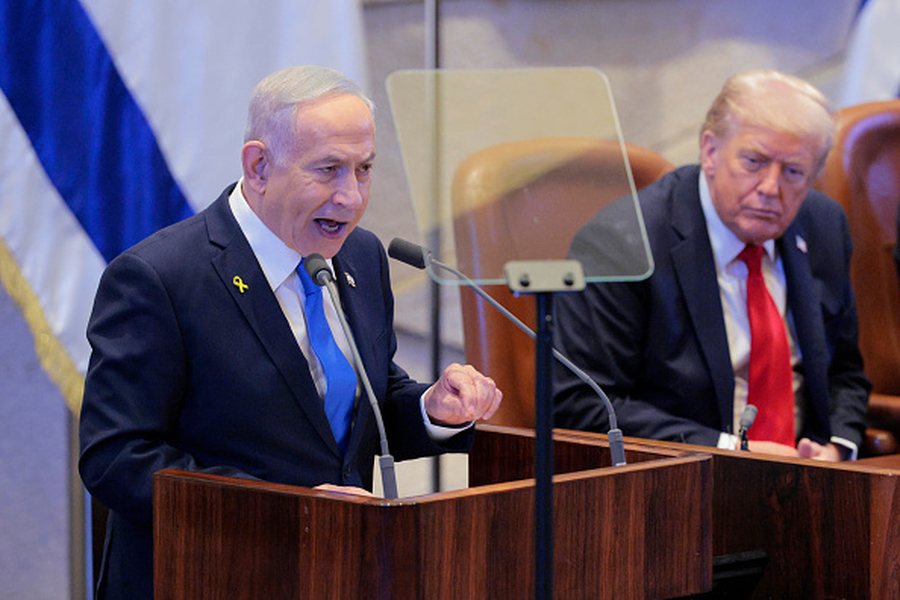
From popular discontent to corruption investigations, what will happen to Netanyahu?
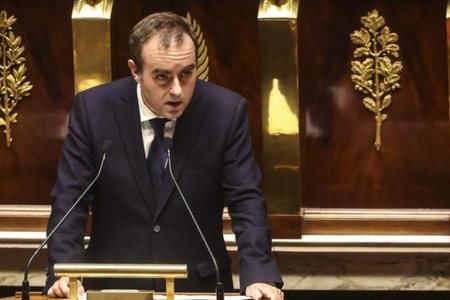
On Monday morning, during a live address to the Knesset, US President Donald Trump called on Israeli lawmakers to stop the corruption proceedings against Prime Minister Benjamin Netanyahu. The statement was met with loud applause from the right-wing and extremist majority that dominates the Israeli parliament.
But the Israeli public's reaction is not so uniform. Just the day before, US envoy Steve Witkoff, during a speech in Tel Aviv, faced boos and outright rejection from the crowd as soon as he mentioned Netanyahu's name. In contrast, Trump's name was greeted with cheers and enthusiasm.
This contrast raises a fundamental question about the future of the Gaza peace deal: Will Israelis remember Netanyahu as the man who weakened Iran and its allies, or as the architect of the worst security failure on October 7 and the man who promoted an anti-democratic agenda for years?
This debate had stalled before the hostage release, but has now returned to the center of discussion within Israeli society.
A significant episode occurred on Monday: Trump, at the last minute, attempted to invite Netanyahu to the Gaza summit in Sharm el Sheikh, an event to which the Israeli prime minister had not been invited. But Turkish President Recep Tayyip Erdogan threatened to boycott the summit if Netanyahu attended. Netanyahu declined the invitation, citing a religious holiday.
International opinion and the burden on Netanyahu
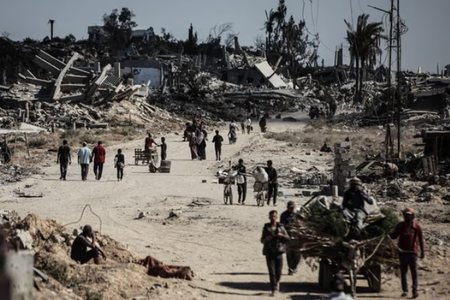
Israel is facing a significant increase in international hostility due to the bloody war in Gaza, which has caused over 60,000 deaths, including thousands of children. In the eyes of a large part of the world public opinion, it is Netanyahu who symbolizes this ruthless military campaign.
Even at home, the climate is changing. With the hostages returning home, many Israelis gave credit to Trump, not to their prime minister, the same Netanyahu who resisted ending the war for months, and who was finally forced to accept it under pressure from Washington.
With or without him, Israel must rebuild its international relations, a task that seems impossible as long as Netanyahu is in power. He still faces an international arrest warrant from the International Criminal Court.
As long as he and his current coalition remain in power, no real peace process with the Palestinians, no prospect of a two-state solution, and no halt to settlement expansion in the occupied territories is expected.
Is Netanyahu in political danger?
The answer remains unclear. Netanyahu's popularity has fluctuated steadily over the past two years, following the rhythm of successive crises. A poll published last week showed him tied with the opposition in the event of new elections - but this poll was conducted before the end of this phase of the war, and especially before the release of the hostages.
In fact, Netanyahu remains a powerful political operator – shrewd, tactical and always ready to reinvent himself, like a political phoenix. He is trying to position himself as the winner of this new phase, just days after being forced, and even publicly humiliated, by Trump to apologize to Qatar for the bombing of Doha.
The only thing that is clear is that as long as Netanyahu and his coalition remain in power, there will be no real peace on the horizon. But its future is in the hands of Israelis. In many ways, Monday marked the unofficial start of the upcoming election campaign, even though the election date remains unknown. /Adapted by “Pamphlet” from “World Crunch”


Lini një Përgjigje