


 Shkruar nga Pamfleti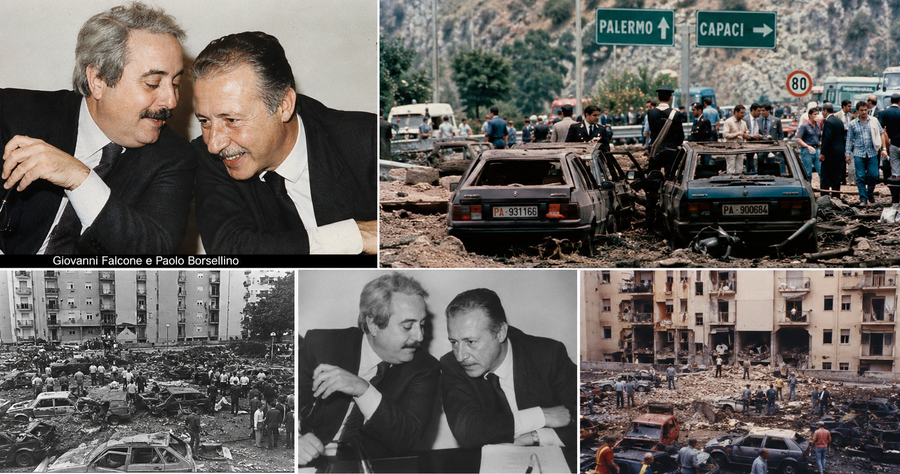
Just 57 days after the assassination of Giovanni Falcone, the Sicilian mafia struck again. On July 19, 1992, a car bomb in the heart of Palermo killed Paolo Borsellino and five of his bodyguards. The two magistrates became symbols of the fight against Cosa Nostra and changed Italian history forever.
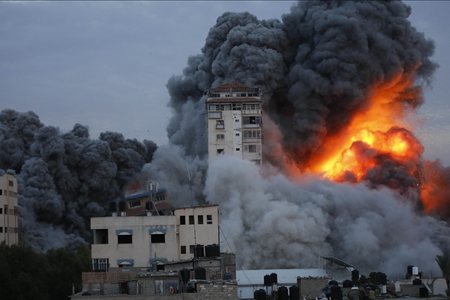
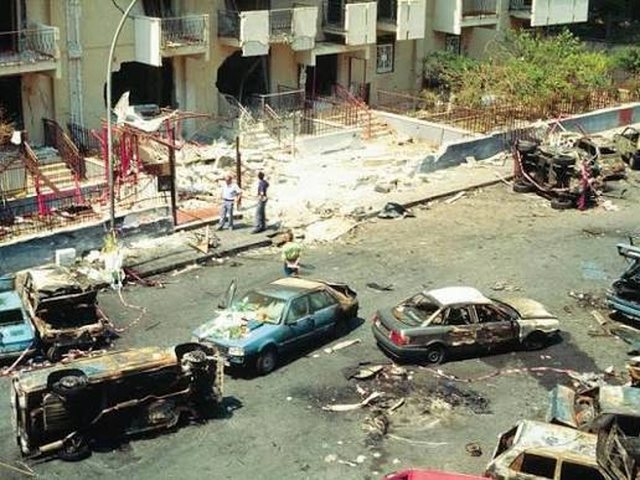
On July 19, 1992, just before 5:00 p.m., a powerful explosion rocked Via D'Amelio in Palermo. A Fiat 126 car, packed with about 90 kilograms of explosives, was detonated by remote control as anti-mafia prosecutor Paolo Borsellino arrived to visit his mother.
The explosion was so powerful that it destroyed surrounding buildings, blew up escort vehicles, and created a crater in the asphalt. Borsellino died on the spot, along with five members of his escort: Emanuela Loi, Agostino Catalano, Vincenzo Li Muli, Walter Eddie Cosina, and Claudio Traina.
Italy was left shocked. It was the second mafia assassination attempt to strike the heart of the state in less than two months.
Two friends, one mission
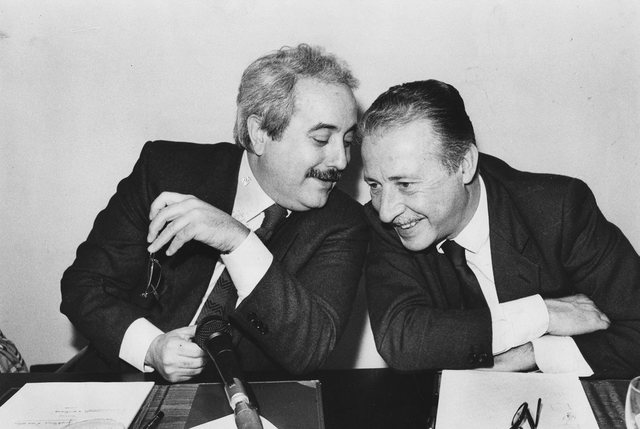
Paolo Borsellino and Giovanni Falcone were not just colleagues. They were close friends since childhood, having grown up in the same neighborhood of Palermo. Later, both followed the path of justice and became two of the most important figures in the fight against the Italian mafia.
In the 1980s, they were part of the so-called "Pool Antimafia", a group of prosecutors who worked together to investigate Cosa Nostra. Until then, many investigators worked in isolation and often ended up being killed. Falcone and Borsellino changed the way they worked: they shared information, collaborated closely and built a common strategy against the criminal organization.
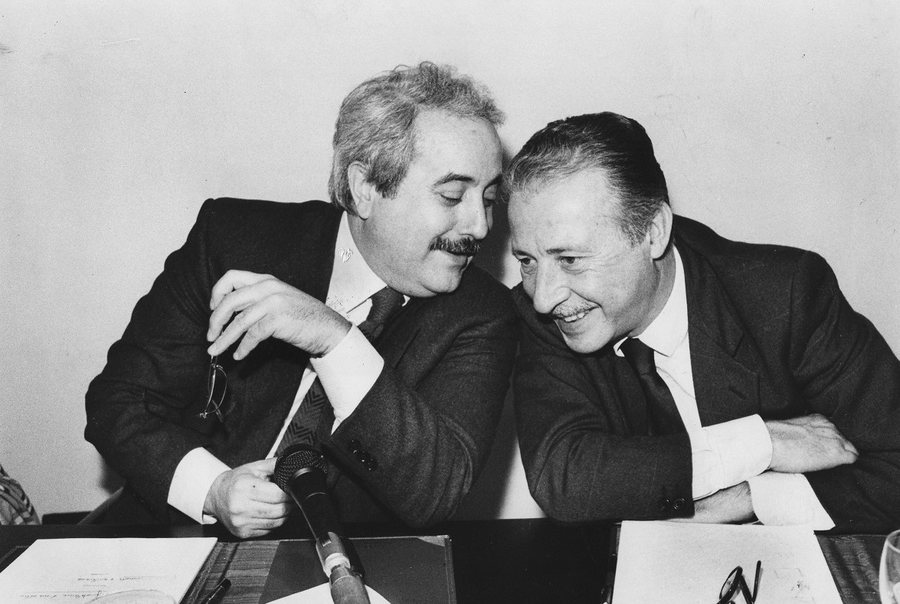
Their work culminated in the Palermo Maxi Trial (1986-1987), the largest mafia trial in history. Thanks to the testimony of former boss Tommaso Buscetta and the investigations of two magistrates, over 470 people were brought to justice and hundreds of mafiosi were sentenced to thousands of years in prison.
For the first time, the Italian state managed to prove in court that Cosa Nostra was not simply a group of isolated criminals, but a structured organization with a clear hierarchy.
The mafia decided to eliminate them.
The success of the Maxi Trial was a major blow to the mafia bosses. At the head of Cosa Nostra was Salvatore "Totò" Riina, known as "The Beast", who decided to declare open war on the Italian state.
On May 23, 1992, the mafia struck first.
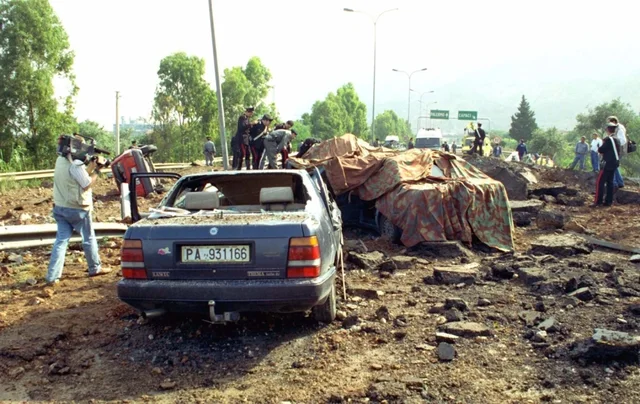
Në autostradën pranë qytetit të Capacit, rreth 500 kilogramë eksploziv u aktivizuan nën asfalt në momentin kur kalonte kolona e automjeteve të Giovanni Falcones. Shpërthimi vrau Falconen, bashkëshorten e tij, gjyqtaren Francesca Morvillo, si dhe tre truprojat: Vito Schifani, Rocco Dicillo dhe Antonio Montinaro.
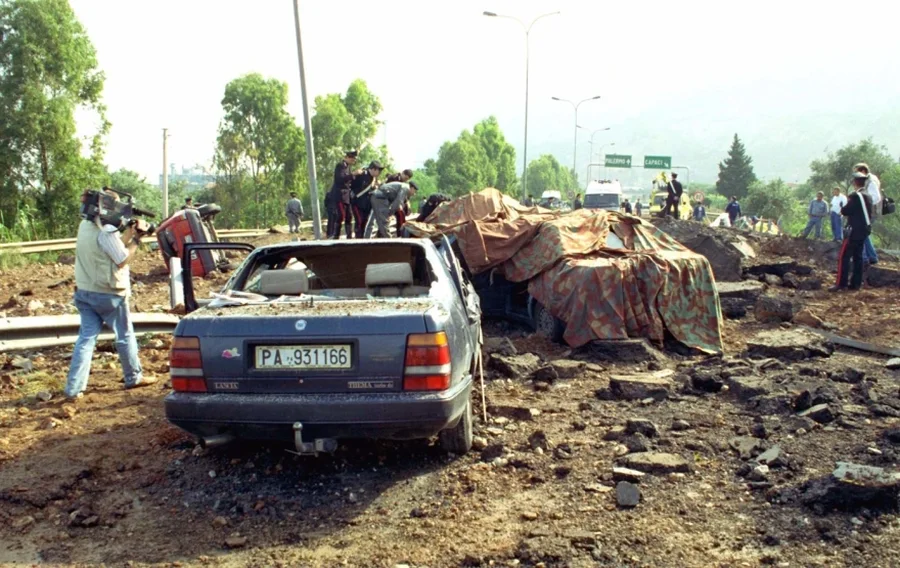
Vdekja e Falcones ishte një goditje e rëndë për Italinë, por edhe një paralajmërim për Paolo Borsellinon.
Ai e dinte se ishte objektivi i radhës.
Në javët që pasuan, Borsellino punoi me ritëm të ethshëm. Takonte hetues, mblidhte dokumente dhe përpiqej të kuptonte se çfarë fshihej pas atentatit ndaj mikut të tij. Bashkëpunëtorët kanë treguar se ai ishte i vetëdijshëm se nuk i kishte mbetur shumë kohë.
"Jam bërë një i vdekur që ecën", u kishte thënë njerëzve të afërt.
Masakra e Via D'Amelio
Pasditen e 19 korrikut, Borsellino shkoi për të vizituar nënën e tij në Via D'Amelio.
Mafia kishte parkuar prej ditësh një Fiat 126 të mbushur me eksploziv pranë hyrjes së pallatit.
Sapo kolona e eskortës ndaloi dhe prokurori zbriti nga makina, bomba u aktivizua me telekomandë.
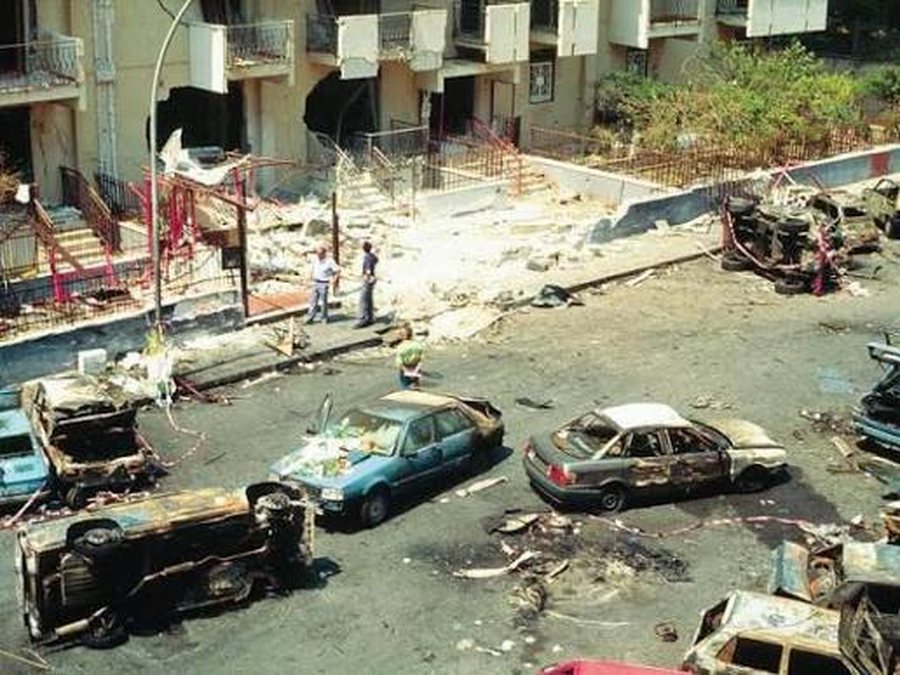
Shpërthimi ishte shkatërrues.
Përveç Paolo Borsellinos, humbën jetën pesë efektivët e eskortës. Mes tyre ishte edhe Emanuela Loi, 24 vjeçe, e cila u bë gruaja e parë police në Itali që u vra gjatë shërbimit.
Dhjetëra persona të tjerë mbetën të plagosur, ndërsa pamjet e rrugës së shkatërruar bënë xhiron e botës.
Reagimi i shtetit
Atentatet ndaj Falcones dhe Borsellinos shënuan pikën më të errët të luftës mes shtetit italian dhe mafias.
Por ato prodhuan edhe efektin e kundërt nga ai që kishte synuar Cosa Nostra.
Qindra mijëra italianë dolën në protesta kundër mafias. Shteti forcoi ligjet antimafia, rriti kompetencat e prokurorëve dhe burgosi shumë nga drejtuesit e organizatës kriminale.
Në janar 1993 u arrestua Totò Riina, ndërsa në vitet pasuese u kapën edhe shumë prej bashkëpunëtorëve të tij.
Megjithatë, edhe sot vazhdojnë hetimet për të zbardhur plotësisht prapaskenat e atentateve, përfshirë dyshimet se, përveç mafias, mund të kenë ekzistuar edhe interesa të tjera që favorizuan ose nxitën masakrat e vitit 1992.
Simbole të Italisë moderne
Sot, emrat e Giovanni Falcones dhe Paolo Borsellinos janë bërë simbol i luftës kundër krimit të organizuar.
Shkolla, universitete, aeroporte, sheshe dhe institucione në Itali mbajnë emrat e tyre, ndërsa historia e tyre studiohet nga brezat e rinj si shembull i guximit dhe i besimit te shteti ligjor.
Me rastin e 34-vjetorit të masakrës së Via D'Amelio, presidenti italian Sergio Mattarella deklaroi se atentati, ashtu si ai i Capacit, "shënoi thellë ndërgjegjen e vendit" dhe përfaqësoi kulmin e një plani për të gjunjëzuar institucionet demokratike.
"Borsellino dhe Falcone janë simbole të ringritjes civile të Italisë", theksoi kreu i shtetit, duke kujtuar se sakrifica e tyre ndihmoi në forcimin e luftës kundër mafias dhe në ndërtimin e një kulture më të fortë të ligjshmërisë.
Even 34 years later, the story of the two magistrates remains one of the most significant chapters of modern Italy: the story of two friends who challenged the country's most powerful criminal organization, knowing that this battle could cost them their lives. / Prepared by "Pamphlet"




Lini një Përgjigje