


 Shkruar nga Amal Helles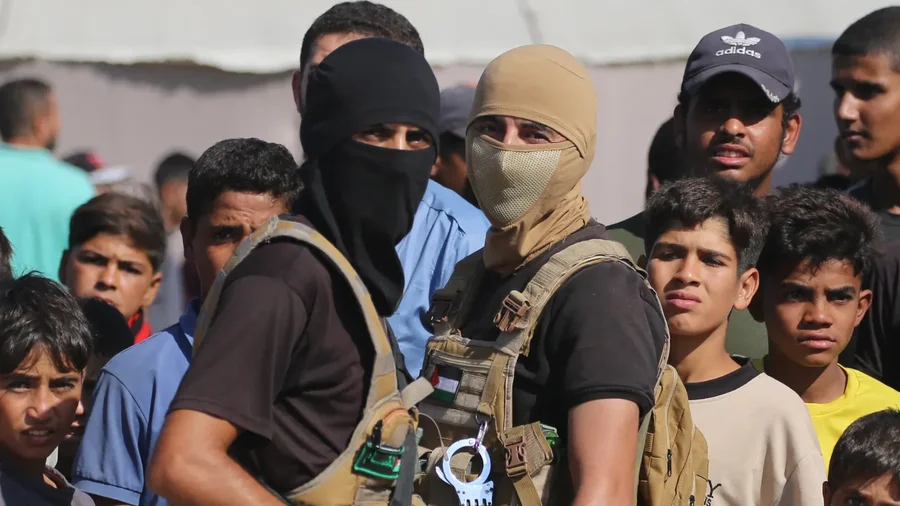
After Israel's withdrawal, Hamas is killing rivals and regaining control as fear, hunger and lawlessness grip the territory. Some fear civil war is next...
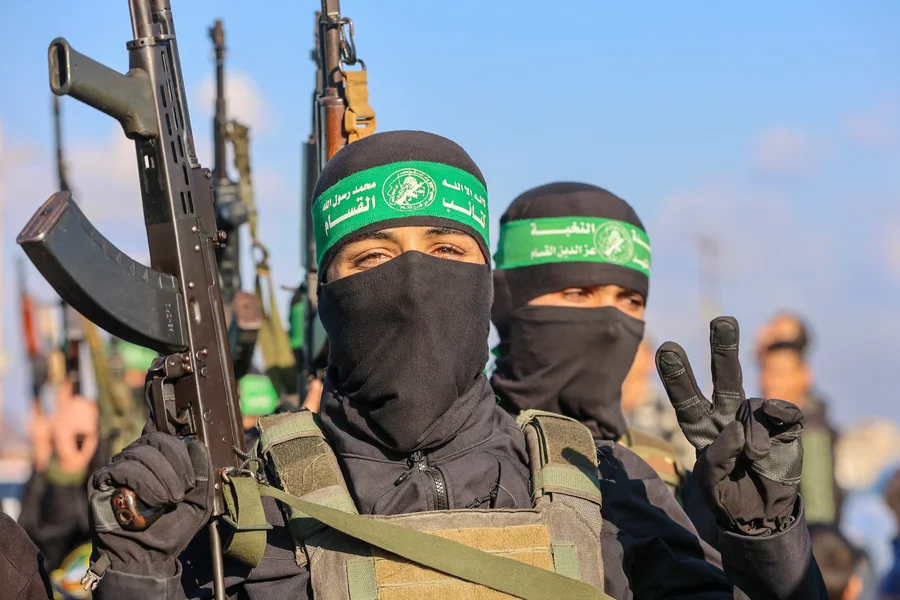
Not long before he was shot dead by one of Gaza's gangs, Saleh al-Jafarawi had identified Hamas' internal security forces, whose tentacles had spread throughout the territory.
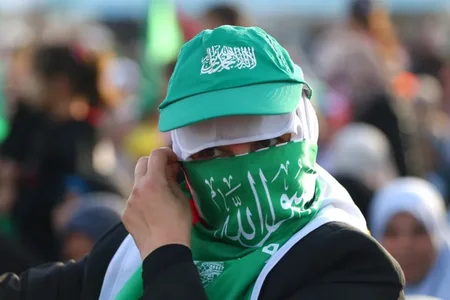
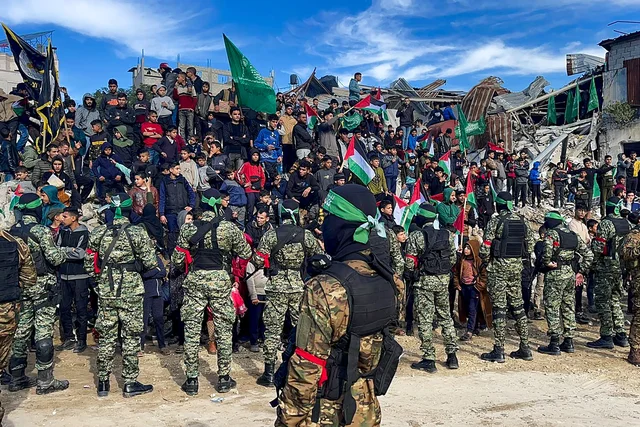
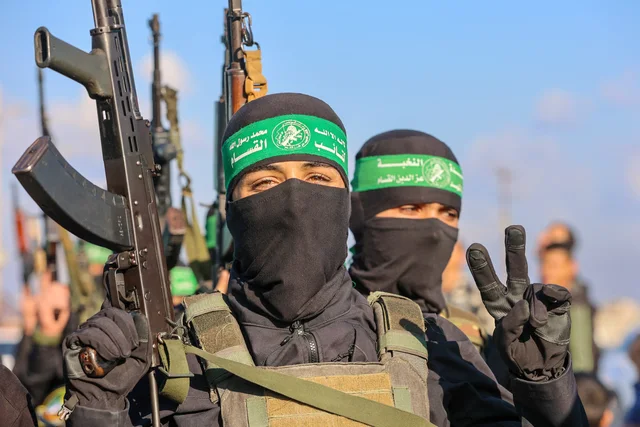
Wearing black baseball caps embroidered with gold and armed with assault rifles, while stationed from Gaza City in the north to Khan Yunis in the south, the patrols were a sign that Hamas was ready to crush any existential and internal threat.
Three days after posting images of security forces, Jafarawi was killed by armed militiamen, as Hamas retaliated against gangs who dared to challenge him. A few days later came the first public executions of men Hamas claimed were plotting to overthrow the militant group that has ruled by terror since 2007.
The war may be over, but Hamas is waging a bloody campaign in the background. For Palestinians, few of whom could have ever suspected the brutality of its rule, the events of the past seven days have brought a new threat, raising the specter of civil war. Internal violence, chaos and lawlessness now reign where Israeli forces have withdrawn.
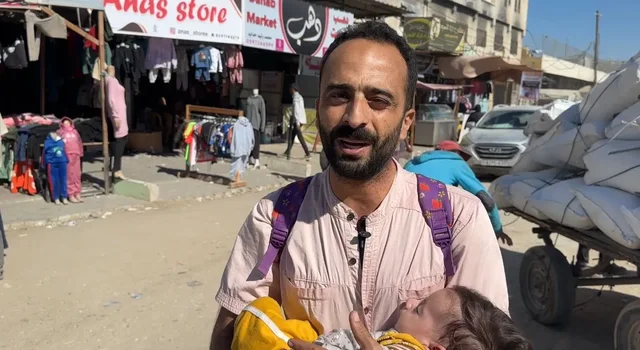
For Anwar al-Qahouji, a 50-year-old father of five from Khan Yunis, there is a new kind of savagery at play.
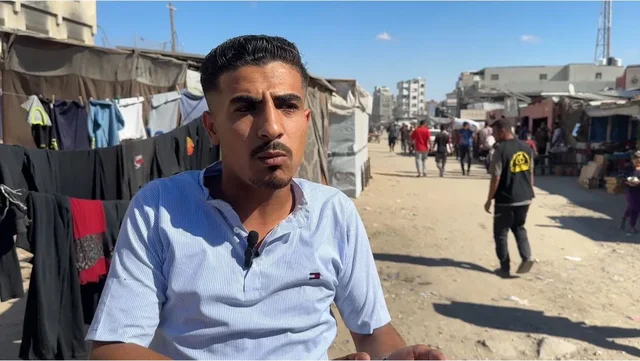
"I haven't felt safe, not from the bombings, not from the thieves, not from the armed men," he said, adding, "people have changed; the strong eat the weak."
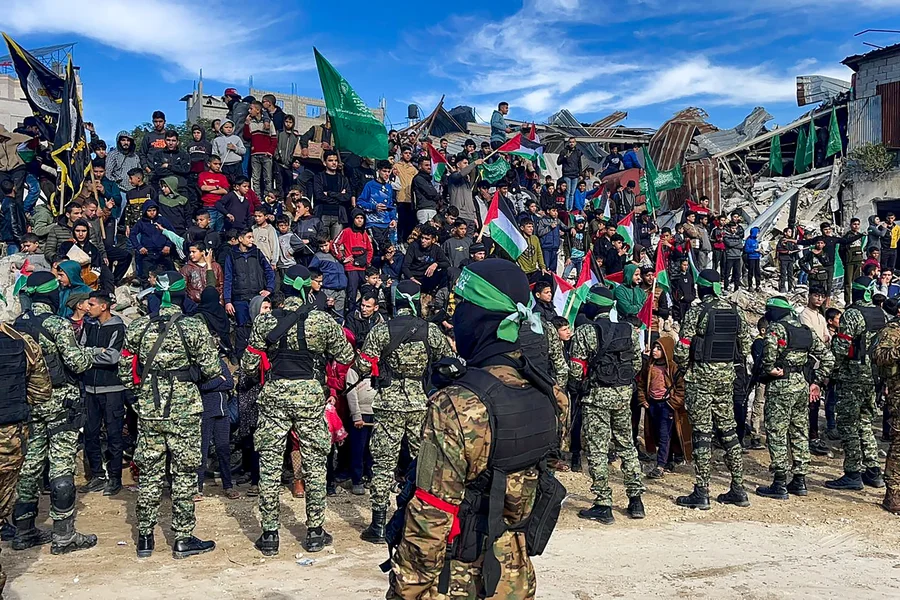
Images of Hamas fighters opening fire on Palestinian rivals kneeling in the middle of a crowded street, days after the ceasefire came into effect, have left many shocked.
Some of those executed were members of a clan, the Doghmosh family, which has long rivaled Islamic militants and is now on the rise.
Where the population of Gaza was once reluctant to discuss Hamas, that appears to have changed.
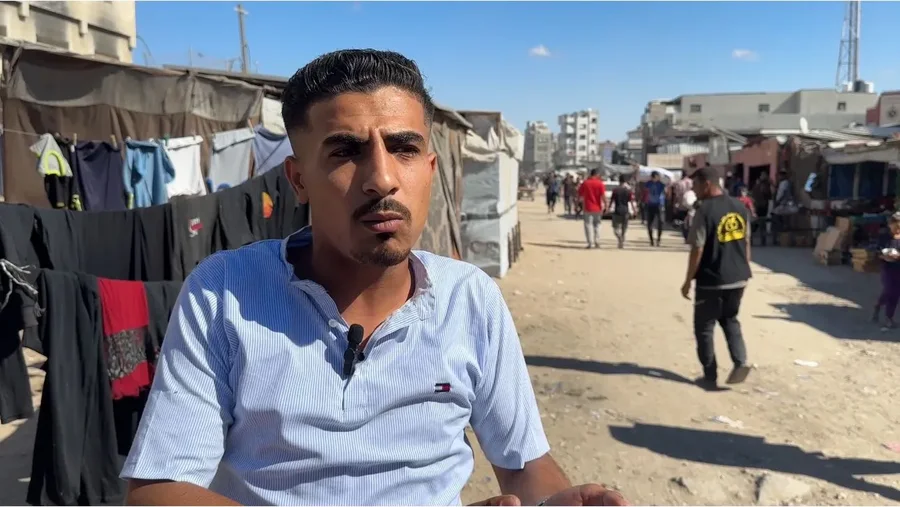
"I am a peaceful person and that does not allow me to accept the executions," Qahouji said, adding that "regardless of whether those killed were collaborators or not, I cannot accept seeing such scenes."
"There needs to be a proper court, something official. Otherwise, anyone can accuse anyone, call them a spy or a thief, and kill them. We need justice, not revenge."
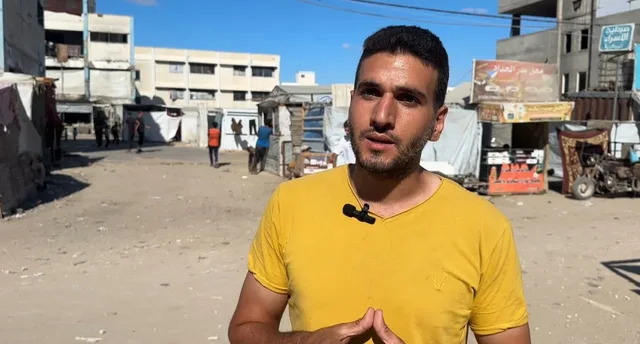
“Edhe tani, pas armëpushimit, nuk ndihem aspak i sigurt”, tha Amjad al-Saqa nga Khan Younis. “Ende ka të shtëna dhe njerëz që veprojnë jashtë ligjit. Nuk mund të jetosh në paqe kështu. Shpresoj vetëm të mos shndërrohet në një luftë civile.”
Megjithatë, disa në Gaza thonë se Hamasi ka bërë gjënë e duhur, duke u përpjekur të rivendosë rendin.
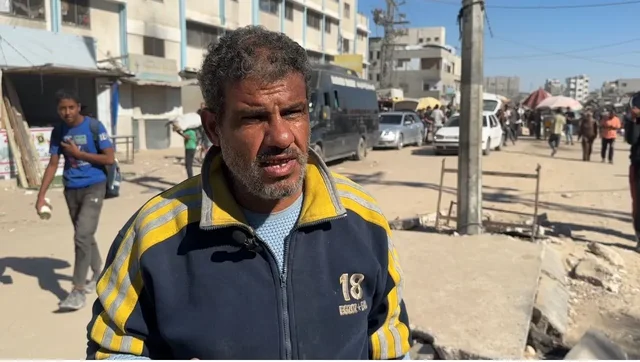
“Unë mbështes atë që po bën Hamasi”, tha Yousef al-Astal, 21 vjeç, duke shtuar “ata nuk marrin njerëz të rastësishëm. Ata që ekzekutuan ishin të korruptuar, ndoshta bashkëpunëtorë ose hajdutë. Të paktën Hamasi po përpiqet të rikthejë kontrollin dhe të ndalojë kaosin.”
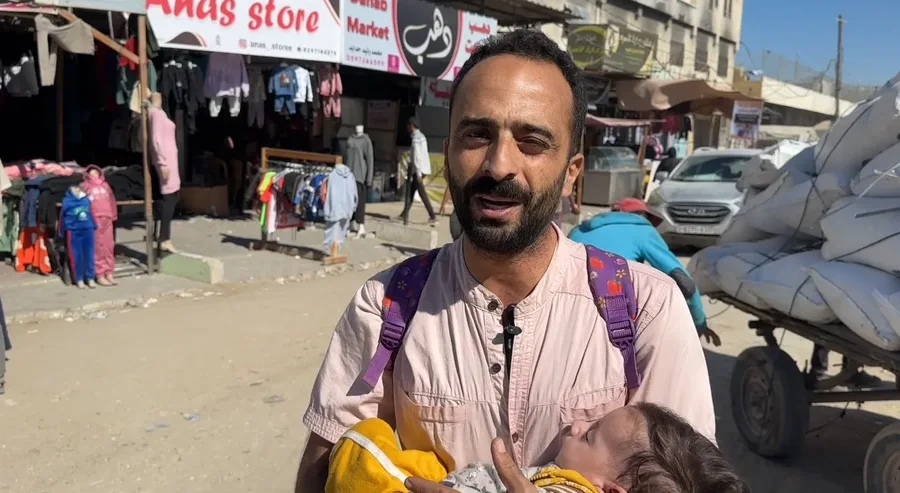
Atta Kulab, 33 vjeç, shtoi: “Ne filluam të ndihemi përsëri të sigurt pas armëpushimit. Përpara kësaj nuk kishte ligj, siguri, asgjë. Unë besoj se siguria do të vazhdojë vetëm sepse Hamasi po ekzekuton njerëzit që tradhtuan vendin. Ata po e bëjnë këtë për të shmangur një luftë civile.”
Ekspertët thonë se vakumi i pushtetit e ka lënë territorin në një zonë muzgu, të bllokuar në fazën e parë të marrëveshjes së armëpushimit me dështimin për të kthyer pengjet e vdekura izraelite, dhe të pasigurt se si të ecet përpara në çështjet kyçe si çarmatosja e Hamasit.
Michael Milshtein, një ekspert në grupet e milicisë palestineze, tha se Hamasi nuk do të pranojë kurrë të çarmatoset, gjë që mund ta çojë Izraelin në rifillimin e luftës.
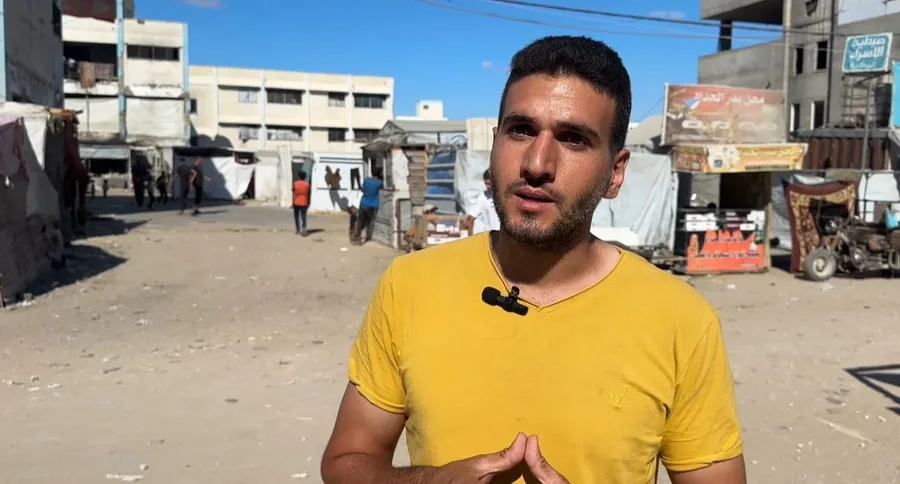
"Nëse kërkesa është që ata të njoftojnë vërtet për heqjen dorë nga armët, kjo është një pjesë shumë qendrore e identitetit themelor të Hamasit, dhe, vlerësoj unë, do të na çojë shumë në një ripërtëritje të luftës", tha ai. "Por ka disa përpjekje tani, kryesisht nga ndërmjetësit arabë, përfshirë Egjiptin dhe Katarin, për të gjetur një lloj kompromisi. Për shembull, egjiptianët sugjeruan që Hamasi nuk do të njoftojë asnjë çarmatim, por do të ngrijë arsenalin e tyre të armëve dhe madje do të bëjë një dallim midis armëve sulmuese, veçanërisht raketave dhe ndoshta droneve." Milshtein, i cili është një ish-oficer i lartë i inteligjencës izraelite, shtoi: “lidhur me pika të tjera të ndërlikuara, për shembull, idenë e këshillit të paqes ose vendosjen e forcave ndërkombëtare në Gaza, edhe një herë, Hamasi është shumë i qartë. Ata thonë jo. Dhe mendoj se nuk ka gjasa të shohim brigada dhe batalione evropiane ose amerikane që vendosen dhe veprojnë kundër Hamasit.”
Ndërsa Hamasi ka pranuar nocionin e mbikëqyrësve dhe një regjimi lokal të udhëhequr nga palestinezët, Milshtein paralajmëroi se një skenar i tillë mund të çojë në veprimin e Hamasit pas kuintave të një qeverie zyrtare palestineze, duke mbajtur armë dhe infrastruktura të tjera civile si në Liban nën forcën shiite të Hezbollahut.
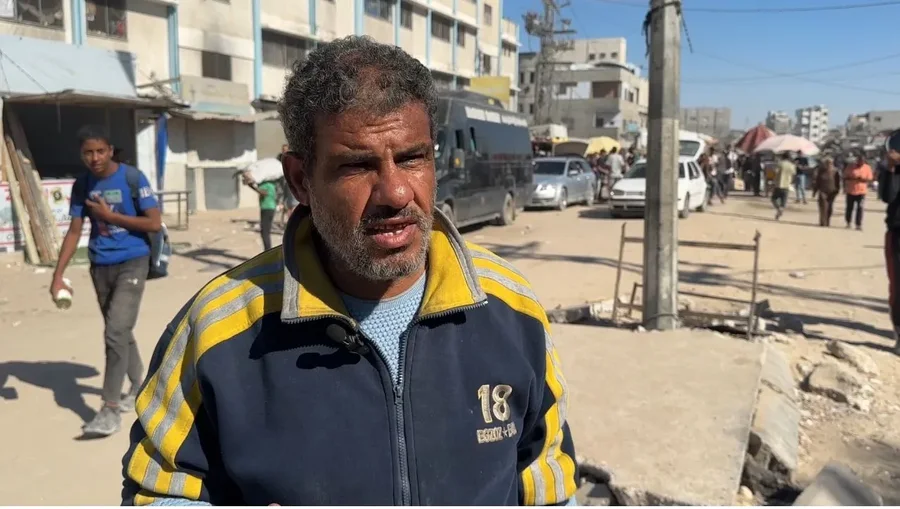
For now, Hamas has shown that despite Israel’s promise to wipe out the group, they are not only still standing, but also reigning as the major player in Gaza. The clan executions “were a kind of sign for every person in Gaza, first of all, to know that even after two difficult years, despite the losses that Hamas has suffered, they are still the dominant player in Gaza.
"The executions deter other groups and other Palestinians from any idea or even thinking about cooperation with Israel," Milshtein added.
Earlier this year, Israel admitted to arming smaller gangs, clans, and tribes in an effort to bolster internal challenges to Hamas. But now Hamas has come for revenge, and Israel cannot protect them without violating the ceasefire.
“There is no security now. Young people are carrying guns, shooting in the streets, and everyone is saying, ‘I am from this family or that family.’ Gaza has become a militia and a mafia. You are afraid to go out at night and you don’t feel safe for yourself or your children. There is no authority ruling Gaza now,” Astal added. Gaza’s future governance is left open after the ceasefire, with potential donors and investors in its reconstruction and rehabilitation unlikely to take further steps while Hamas still dominates. This brings added pain to the almost two million people who have suffered during the war.
Israel has not allowed hundreds of aid trucks through or opened more crossings to let them in, and residents say the hunger crisis is still there. "The problem now is not just fear, it's hunger. Prices have come down a little bit. But the real problem is cash, even those who have money in their bank accounts can't buy things because many vendors only accept cash," said Qahouji, explaining that borrowing and trade are still the main currencies in Gaza.
Residents report that food has returned to the markets, especially fresh fruit and vegetables, but there are still no eggs. While prices have fallen slightly, they are still very high, with a single banana reportedly costing 10 shekels (£2.25). “I just hope that whoever rules Gaza has mercy on its people,” said Kulab. /Adapted from The Times/






SHKURT ESHTE TEPKE SI ALBANIA 1997.
Shqiperia ka 35 vjet qe eshte bere si Gaza e nuk can bythe por, vazhdon "perpara" drejt Europes.