


 Shkruar nga Milan Grujiç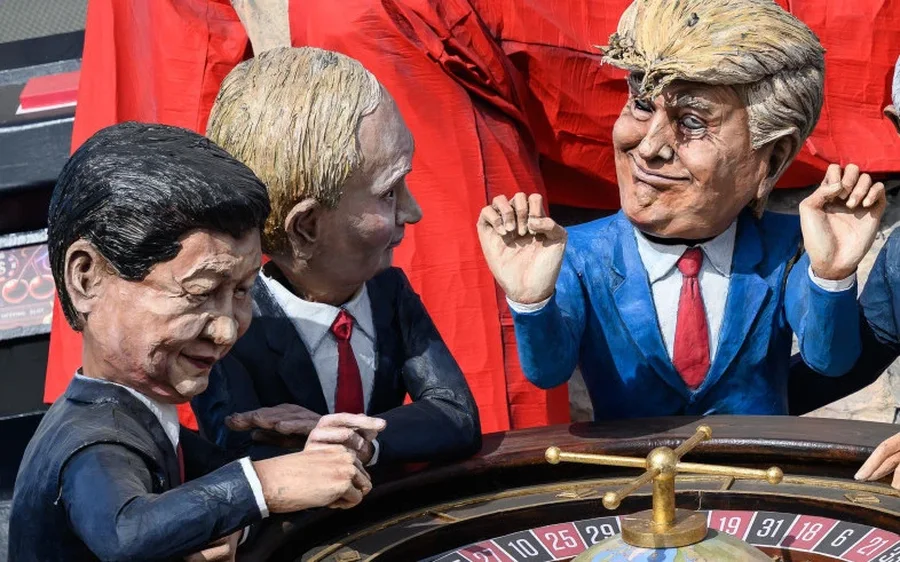
From a unipolar order to a multipolar world, the shift in global power, the role of the US, China, Russia, and the strategic dilemmas of Europe and the Balkans.
"The end of the world as we know it", "The world has changed irreversibly", "The collapse of the international order", these and thousands of similar headlines hit us every day recently from numerous media sites and social networks.
Experts, analysts, politicians try to explain the paradigm shift that until just a few years ago seemed permanent and unchangeable. Like, for example, transatlantic unity. Or, as Bajaga would say six years ago: “this world is changing, this world is changing, nothing is as it used to be…”.
There are many reasons for truly tectonic geopolitical shifts on the planet. The fall of the Berlin Wall and the dissolution of the Soviet Union three and a half decades ago gave the West, led by the United States, undisputed global dominance.
The richest part of the world no longer had any obstacles, no one could oppose it economically, while Al-Qaeda's attack on the Twin Towers in New York in 2001 gave it justification for military intervention everywhere.
One by one, Iraq, Afghanistan, Libya, Syria fell...
The West was powerful, strong, unstoppable. The European Union took almost all of Eastern Europe under its umbrella, NATO expanded year after year, reaching where it had publicly promised not to go, to the borders of Russia. For Western states, everything seemed like an unrealized idyll of previous generations: a rich, democratic, free and fair society that decides everything. And does whatever it wants.
Natural resources came cheaply from Russia and the former Soviet republics, while cheap labor was found in Asia. It seemed that democracy, the market, and the military could solve any problem, and wealth flowed year after year to Western capitals from all sides.
Public opinion was dominated by the themes of standards, rights, freedoms, the green agenda... Countries that did not civilize and culturally conform to the dominant Western narrative were declared primitive and backward.
The so-called liberal elites had no boundaries. The individual was elevated to a pedestal as a symbol of progress, while all traditional collectives, family, nation, church, state, were declared remnants of a primitive past.
Megjithatë, diçka po lëvizte në prapaskenë në drejtim të kundërt. Elitat ekonomike dhe financiare perëndimore, pra pronarët e kapitalit, panë një mundësi për fitime shumë më të mëdha sesa mund ta kishin imagjinuar brezat para tyre. Krahu i shtrenjtë i punës në vendet e tyre nuk u nevojitej më, prodhimin pothuajse tërësisht e zhvendosën në Azi, ku gjetën njerëz shumë më të lirë, po aq të arsimuar dhe madje më punëtorë. Fitimet u shumëfishuan. Elitat kishin gjithnjë e më shumë, qytetarët gjithnjë e më pak.
U shpikën termat globalizim dhe multikulturalizëm, dhe kushdo që guxonte të bënte pyetje përjashtohej. Kultura “woke” e shkatërroi të majtën, askush nuk mbeti të luftonte për punëtorët. Njerëzit mbeteshin pa punë ose, krahasuar me rritjen e kostove, fitonin gjithnjë e më pak. Vlerat liberale ekstreme, të imponuara në hapësirën publike si narrativë e vetme e pranueshme, filluan t’i irritonin gjithnjë e më shumë.
Kriza e vitit 2008 shpërtheu sepse amerikanët mesatarë nuk mund të paguanin më këstet e kredive për shtëpi. Kriza hipotekare nga SHBA u përhap në gjithë botën. Në Evropë, disa shtete në jug të kontinentit ishin pranë kolapsit, më keq në Greqi dhe Itali. Zëri i punëtorëve nuk u dëgjua. Si pasojë e gjithë kësaj, e djathta filloi të forcohej në mbarë Evropën dhe SHBA.
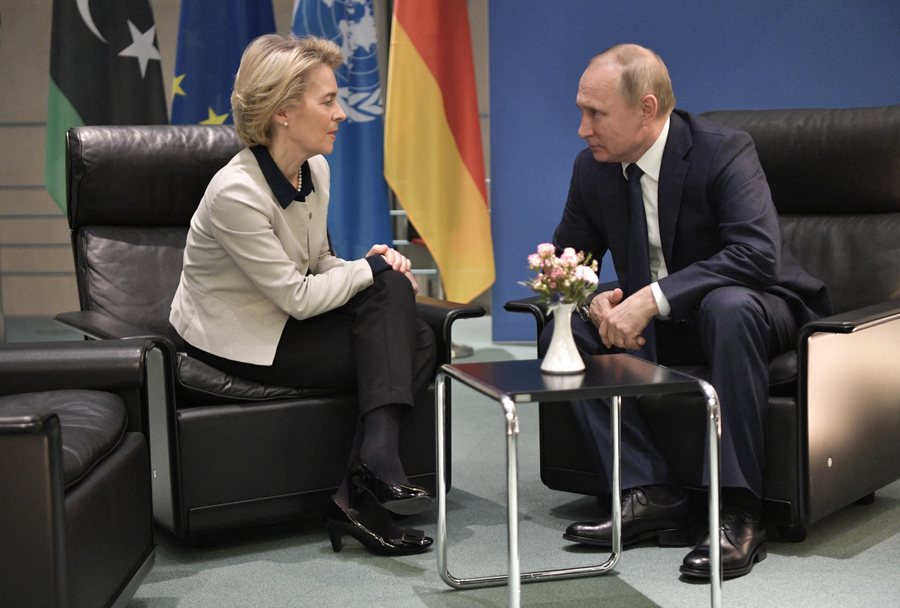
Në anën tjetër të “murit”, Rusia, me ardhjen e Vladimir Putinit, filloi të ngrejë kokën. Qoftë për shkak të kërcënimit real nga zgjerimi i NATO-s, poshtërimit pas humbjes në Luftën e Ftohtë, apo dëshirës për dominim në Evropën Lindore, Kaukaz apo Azinë Qendrore, ose nga të gjitha këto së bashku, Moska në fillim të shekullit nisi investime masive në ushtri. Por edhe në standardin e jetesës së qytetarëve. Menaxhimi i burimeve natyrore, veçanërisht naftës dhe gazit, të rimarra nga oligarkët, siguroi fonde.
Pas grushtit të shtetit në Ukrainë në fillim të vitit 2014, në përplasjet mes popullsisë ruse dhe forcave të sigurisë së Kievit shpërtheu një luftë e kufizuar. Megjithatë, elitat perëndimore dhe ruse panë një mundësi për një përballje të madhe, e cila filloi me sulmin ndaj Ukrainës në vitin 2024. Sipas vlerësimeve të fundit relevante, rreth 1,8 milionë njerëz kanë humbur jetën nga të dyja palët.
Evropa, e cila mendonte se do të jetonte përgjithmonë nga pasuria e akumuluar dhe industria gjermane, u përball me realitetin, barra më e madhe e financimit të luftës ra mbi të.
Dragoi ngrit kokën
Në anën tjetër të planetit, Dragoi po ngrinte kokën. Falë politikave të mençura, investimeve të huaja dhe njerëzve të arsimuar e punëtorë, Kina avancoi me hapa më të mëdhenj se kurrë më parë në historinë e njerëzimit. Në më pak se 40 vjet, mbi 800 milionë njerëz dolën nga varfëria.
The country that had the largest GDP in the world from BC to 1820, after the Industrial Revolution and the Opium Wars suffered a drastic decline. In 1820, China had 33% of the world economy, while in 1950 it had only 4.5%. Today, with 1.35 billion inhabitants, it is the world's second largest economy by nominal GDP and the first by purchasing power as of 2014, according to the IMF. The average gross annual salary was around $480 in 1980, around $1,100 in 2000, and today over $17,000.
Faced with these developments, part of the West realized that it was losing dominance and that the perspective was no longer bright. The Americans reacted first. Donald Trump and his team decided to "reset" the planet. This is where the customs tariffs come from, Greenland, Venezuela, Europe and Canada, their backyard.
This put Europe, which after World War II had been completely dependent on the US for its defense, in front of a major problem: in the future it must defend itself. The point is money. The US must start a new development cycle; tariffs aim at reindustrialization, while state funds invest in infrastructure.
The best example of the state of American infrastructure is the railroads. In the entire United States, there is only one segment that can be called high-speed rail, between Washington and Boston, about 75 kilometers. Two others are under construction: San Francisco–Los Angeles, a project with major problems and many years of delays, and the Las Vegas–Southern California line, 350 kilometers, which is expected to be completed before the 2028 Olympic Games in Los Angeles. China, on the other hand, has 45,000 kilometers of high-speed rail and builds about 3,000 new kilometers every year.
The new division of the world, or rather the division into zones of interest, will be built on economic foundations, followed by security. The main centers are already visible in Washington and Beijing, while the role of Brussels depends on the speed with which European elites will adapt. Russia, thanks to its territory, resources and military power, may be self-sufficient, but it is expected to expand its influence in the Global South, especially in Central Asia and Africa, where China has long invested.
Artificial intelligence will play a key role. The US and China are leading in investments. Europe is wasting time on regulations and standards. This was also reflected at the Davos Forum, through speeches by Donald Trump, Canadian Prime Minister Mark Carney and European Commission President Ursula von der Leyen.
What was considered an axiom until yesterday is no longer valid today. No one can say how everything will end. /Adapted from NIN.rs/


Lini një Përgjigje