


 Shkruar nga Irina Borogan & Andrei Soldatov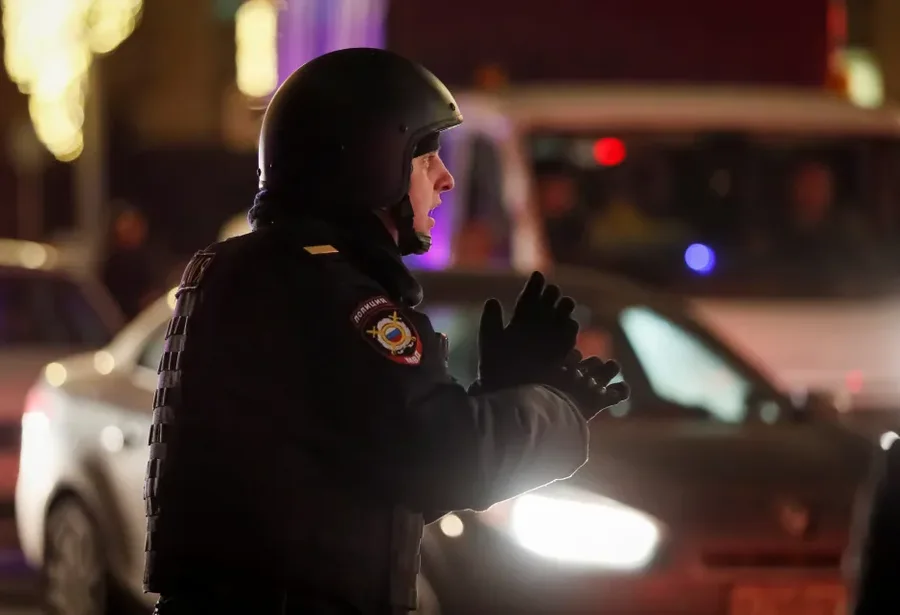
State security agencies step up warnings against enemies of the state through pro-Kremlin journalists...
The Kremlin-controlled television channel Rossiya 1 aired a documentary with the dramatic title Predatelstvo (“High Treason”) in early February. The program’s structure was simple enough: a series of interviews with prisoners accused of “terrorist” attacks, carried out according to Russian authorities on the orders of Ukrainian intelligence services, interspersed with ominous warnings from figures linked to Russian security services.
The program aired shortly before the February 6 assassination attempt in Moscow on the deputy head of the GRU, shot near his apartment, an assassination attempt that once again highlighted Russia's serious problems with internal security.
The central figure of the documentary is Daria Trepova, sentenced to 27 years in prison for terrorism for the murder of pro-Kremlin blogger Vladlen Tatarsky, a key figure in the Russian propaganda ecosystem against Ukraine.
Tatarsky, originally from the Donetsk region, joined the Russian-backed forces in 2014 after escaping from prison where he was serving a sentence for robbery. Pro-Kremlin media outlets elevated him to a symbol of the “Donetsk resistance” against Ukraine.
In April 2023, Trepova, a 28-year-old St. Petersburg anti-regime activist, brought a statue with a hidden explosive device to a meeting with Tatarsky supporters at a downtown cafe. The bomb was remotely detonated, killing Tatarsky and injuring dozens of people present.
Predatelstvo was directed by director and interviewer Andrei Medvedev, who has gone from a chronicle reporter to a vocal and loyal Kremlin supporter on one of the country’s leading television channels. Along the way, he became part of the regime’s elite, becoming elected a deputy to the Moscow City Duma and becoming an aggressive promoter of the war against Ukraine.
He had access to several young Russians, convicted or still under investigation, caught during suspected acts of sabotage, including people accused of burning a military helicopter and setting fire to Russian railway relay cabinets.
The documentary was clearly a response by security services to a series of acts of sabotage carried out by young Russians, actions that have caught the Kremlin by surprise.
In April 2025, FSB director Alexander Bortnikov expressed concern about the increasing number of young people involved in what he called destructive activity.
"Over the past three years, more than 2,500 young people, under the influence of Ukrainian nationalists, international terrorist organizations and movements, have been detained," he declared.
Shumica e adoleshentëve që tentuan t’u vinin zjarrin helikopterëve ose të hidhnin kokteje Molotov në zyrat e rekrutimit ushtarak u rekrutuan përmes aplikacionit Telegram dhe u premtuan pagesa monetare. Sipas të dhënave të Gjykatës së Lartë të Rusisë, 158 adoleshentë të moshës 14–17 vjeç janë dënuar për terrorizëm dhe sabotim që nga viti 2022.
Pasi e kuptoi se Kremlini nuk mund t’i kontrollonte këta të rinj me metodat e zakonshme, FSB-ja iu rikthye mënyrave tradicionale, përfshirë frikësimin dhe ngacmimin.
Mesazhi kryesor i dokumentarit për të rinjtë rusë ishte i qartë: mos flisni asnjëherë me ata që përpiqen t’ju përfshijnë në diçka të rrezikshme, përndryshe do të pasojnë ndëshkime të rënda. Ky nuk është një paralajmërim bosh; Kremlini ka ulur së fundmi moshën e përgjegjësisë penale në 14 vjeç. Që nga kjo moshë, fëmijët e dënuar për veprimtari terroriste mund të dënohen me burg deri në 20 vjet.
Dokumentari, i cili duket se është realizuar gjatë disa muajve, duke gjykuar nga pamjet e xhiruara gjatë verës, u mbështet nga FSB-ja. Shërbimet e sigurisë caktuan dy veteranë të aparatit shtetëror për të dhënë paralajmërimet. Zgjedhja ishte domethënëse. Në vend që të përdornin një veteran të kundërterrorizmit të brendshëm apo kundërzbulimit për të theksuar rrezikun e radikalizimit të të rinjve, FSB-ja zgjodhi Alexander Perelygin, gjeneral i FSB-së, dhe Andrey Bezrukov, kolonel i SVR-së.
Perelygin pati një karrierë mjaft të paqartë në FSB gjatë viteve 1990 dhe 2000. Ai nisi në KGB-në sovjetike, duke ofruar mbështetje teknike për operacione përgjimi. Në fillim të viteve ’90 shërbeu në degën e FSB-së në Moskë dhe, në fund të dekadës, veproi si këshilltar sigurie për kryetarin e bashkisë së Moskës.
Megjithatë, në vend që të fokusohej te siguria e kryeqytetit rus, Perelygin u përfshi gjithnjë e më shumë në çështje përtej kompetencave të tij formale, veçanërisht në shtetet baltike, duke shfrytëzuar pozicionin e tij në komisionin qeveritar për bashkatdhetarët jashtë vendit. Ai vizitoi shpesh rajonin, u akuzua nga autoritetet letoneze për ndërhyrje në politikën e brendshme dhe iu refuzua hyrja në Letoni dhe Estoni.
Ndërkohë, ai mbajti poste fitimprurëse në biznes, duke u bërë një figurë e rëndësishme në pasuritë e paluajtshme në Moskë dhe më pas zëvendësdrejtor ekzekutiv i kompanisë Norilsk Nickel, prodhuesi më i madh në botë i nikelit dhe paladiumit.
Megjithatë, një element mbeti i pandryshuar gjatë gjithë karrierës së tij: kur Perelygin vepronte në emër të shërbimeve të sigurisë dhe jo të interesave të biznesit, fokusi i tij ishte i jashtëm, jo i brendshëm.
Zgjedhja e komentuesve në program sugjeron se FSB-ja synonte të dërgonte një mesazh jo vetëm për audiencën e brendshme, por edhe për atë ndërkombëtare.
The second intelligence officer was Andrey Bezrukov, a former “illegal” SVR agent, meaning he operated abroad under a false identity. Known in the US as Donald Heathfield, he was arrested by the FBI in 2010 and returned to Moscow in a prisoner exchange. After his return, Bezrukov remained active in SVR operations; he currently oversees what is called the “export of technological sovereignty” as part of a broader Russian influence operation targeting Africa and India, promoting Russian cyber solutions as a defense against Western interference. The Kremlin also encouraged him to reposition himself as a foreign policy expert, specializing in the US.
Bezrukov's message was the most threatening. He attacked the Russian opposition in exile and Western intelligence agencies, practically accusing them of supporting terrorism in Russia and openly suggesting the reintroduction of the death penalty in retaliation for such attacks.
For Bezrukov and his leaders, the threat clearly originates from outside Russia's borders. The program was a clear message that Russian state security agencies are ready to stop at nothing to combat it. /Adapted from Cepa /
Irina Borogan and Andrei Soldatov are senior fellows at the Center for European Policy Analysis (CEPA). They are Russian investigative journalists and co-founders of Agentura.ru, a watchdog organization on Russian secret service activities. Their book, Our Dear Friends in Moscow: The Inside Story of a Broken Generation, was published in June.


Lini një Përgjigje