


 Shkruar nga Pamfleti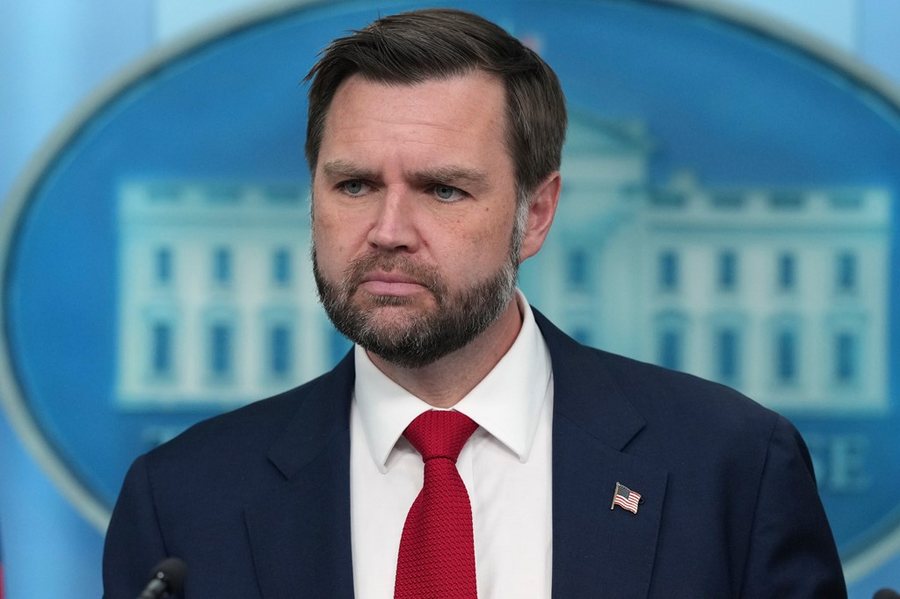
US Vice President JD Vance gave details of the agreement reached with Iran in a press conference. He stated that this agreement is bearing its first fruits as, according to him, 12.5 million barrels of oil passed through the Strait of Hormuz last night.
"This is a high since the beginning of the conflict. Oil prices have fallen to almost their pre-conflict levels. Gasoline prices fell below $4 a gallon today for the first time since the conflict. And the important thing is that they will continue to fall further," Vance said.
He further added that the benefits that Iran will receive from the peace agreement with the US have been misinterpreted by some sections of the media.
"The simple fact is that the only way the Iranians are going to get any of these resources, not a single penny, by the way, from the United States of America under any circumstances, is if they completely comply and change their behavior. And so you have a really win-win situation for the United States of America."
"If the Iranians don't change their behavior, their military and their nuclear program will be destroyed again. If they change their behavior, then they will have a transformative relationship with the Middle East, and the Middle East will have a transformative relationship with the people of Iran ," the US vice president told reporters at the White House.
JD Vance was asked if he thinks Iran's new leadership recognizes the "leverage" the US has over it, both economically and militarily, and if he sees Tehran changing its behavior in the future. He said he sees that as possible.
" I certainly think they recognize the influence that the United States has on them. We've seen that in a number of our conversations. We've seen that just in their behavior over the last couple of days. They certainly recognize that the United States has a great deal of influence. Will that lead to a change in behavior? I don't know. I've seen skeptics of the deal. People say the Iranians will never change their behavior. Well, maybe that's true. And if that's the case, they don't get any of the benefits of the deal. But isn't it worth a try?" he said.
Vance was also asked whether the 60-day period set out in the memorandum of understanding between the US and Iran officially began yesterday, when the document was signed. Vance said the deadline had started today due to the time difference in the two countries.
"I would say the 60-day period officially started today. Because of the time change, I think it was technically signed today according to Iranian time. So, yes, the deal started yesterday and we'll start the clocks today ," Vance said.
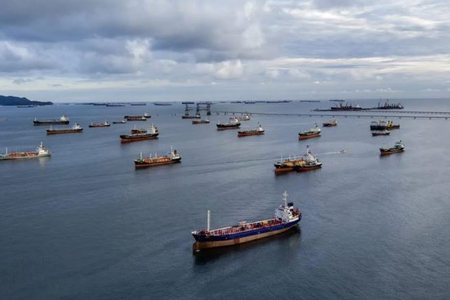
The next question from reporters was about the Strait of Hormuz and whether the US would fight to ensure that there would be no tolls from Iran on the key waterway. The vice president said he was confident the route would be toll-free.
" We believe that international waterways should be toll-free, and that has been our position. This is not about paying taxes. This is about ensuring that the Straits are never again used as a bottleneck for the global economy. Frankly, that is not what the Iranians want. It is not what the Omanis want ," Vance said.
Another reporter asked whether the Trump administration would inform Congress of the immediate lifting of sanctions on Iran as part of the peace deal.
"We feel pretty confident that we can temporarily implement those sanctions without going to Congress and seeking its approval for that," Vance responded.
Speaking on the topic of sanctions on Iranian oil, he said they made this concession because it did not seem like a big concession to them.
"The sticking point for Iranian oil has never been sanctions. We did not see this as a major concession to the Iranians ," he said.
When asked how this memorandum differs from Barack Obama's 2015 Iran deal, JD Vance said that this agreement makes Iran weaker.
"The Gulf coalition wants this deal because they think it makes Iran weaker. I trust their judgment. You have to remember, in 2015, Iran had built a sophisticated nuclear weapons program with a stockpile of nuclear weapons. So the perspective that we created as the United States was: 'You already have a really good nuclear program. We'll bribe you with American money to stop it.'"
"Our perspective and what we're doing is: 'We already destroyed your nuclear program. And if you promise and show a verifiable path to not rebuild it, then we're willing to give you some relief from sanctions and things like that. So it's a fundamentally different perspective ," Vance concluded.



Lini një Përgjigje