


 Shkruar nga Pamfleti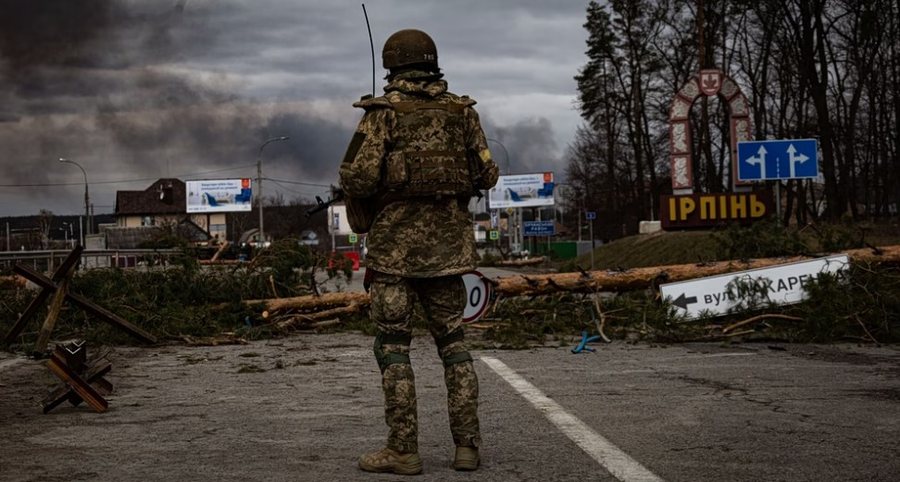
Fatigue, trauma and relentless fighting are pushing more and more Russian and Ukrainian soldiers towards amphetamines, cannabis and sedatives...
Some struggle to stay awake for days. Others seek a few hours of sleep or a temporary escape from the trauma of war. On the front lines in Ukraine, substance use has become a part of everyday life for many soldiers.
The prolonged duration of the war, psychological exhaustion, extreme combat conditions and easy access to synthetic drugs have created an environment where substance use is now considered an almost daily phenomenon. On the front line of some 3,500 kilometers, hundreds of thousands of fighters operate under constant pressure, often without sufficient psychological or medical support.
Widespread problem in Russia and Ukraine
The data reflects the seriousness of the situation. An analysis of 133 Russian soldiers who were treated at a psychiatric hospital in Novosibirsk between 2022 and 2024 showed that 61% of them suffered from mental disorders related to the use of psychoactive substances, the most common diagnosis among the cases treated.
The situation in the Armed Forces of Ukraine is equally worrying. According to a study by the non-governmental organization “100% Life Rivne Network”, 38% of Ukrainian soldiers had used amphetamines in the past three months, while about two-thirds declared that they had consumed cannabis, writes tovima .
Why soldiers turn to substances
Experts say the reasons are many. For some soldiers, drugs serve as an escape mechanism from psychological trauma and constant exposure to violence. Others use them to cope with insomnia, fatigue, or even the monotony between missions.
As the war now enters its fifth year, many soldiers have participated in operations of unprecedented intensity, among the largest recorded in Europe since World War II, in conditions that create extreme psychological pressure.
Alcohol remains the most prevalent substance, followed by cannabis and anti-anxiety medications. However, the use of stimulants is also increasing significantly.
Particularly prevalent among soldiers are amphetamines, mephedrone, and alpha-PVP, also known as “bath salts.” These substances are used to keep soldiers awake, alert, and more willing to take risks on the battlefield.
However, the consequences are severe: high dependence, psychotic episodes, deterioration of mental health, and severe withdrawal symptoms.
At the same time, Russian expert Aleksei Lakhov told Al Jazeera that the use of prescription medications, such as barbiturates and tranquilizers like Lyrica, has reached uncontrolled proportions among Russian troops.
According to him, these medications are easily sold without a prescription in several cities near the front, while soldiers buy large quantities and distribute them to their units.
Trafficking through Telegram and cryptocurrencies
Drug trafficking in war zones has fully adapted to modern technology. In both Russia and Ukraine, orders are placed via communication apps and are often paid for in cryptocurrencies, according to an Al Jazeera report.
The substances are delivered either through "dead drops", secret delivery locations, or directly near the trenches, while prices have increased significantly due to the risk faced by traffickers in war zones.
According to the independent Russian media outlet Verstka, during the Russian occupation of Kherson in 2022, uniformed gunmen kidnapped local drug traffickers and tortured them to reveal the locations of their warehouses and distribution channels on Telegram.
A market that is expanding during the war
The Global Organized Crime Index for 2023 recorded the largest growth in the world for the synthetic drug market in Ukraine. Between 2021 and 2023, this market expanded by 4.5 points, a development directly related to the conditions created by the war.
The field study by the Observatory on Illicit Markets and Conflict in Ukraine, part of GI-TOC, concludes that drug use on the frontline is already widespread and continues to grow.
History shows that the use of psychoactive substances on the battlefield is a long-standing characteristic of wars.
During World War II, Nazi Germany made extensive use of Pervitin, a form of methamphetamine, which was given to soldiers of all branches of the military. Frontline soldiers called these pills “Panzerschokolade” (tank chocolate) because of the feeling of power and invincibility they gave them.
Likewise, during the Vietnam War, the US military distributed Dexedrine amphetamines, known as "pep pills," in large quantities to keep soldiers on combat alert for days.
More recently, in the Middle East, the stimulant Captagon has become one of the main drugs of war. It is often called the “jihadist drug” due to its widespread use by ISIS fighters, while its trafficking was considered one of the most important sources of income for Syria during the Bashar al-Assad era. / Pamphlet /


Lini një Përgjigje