


 Shkruar nga Pamfleti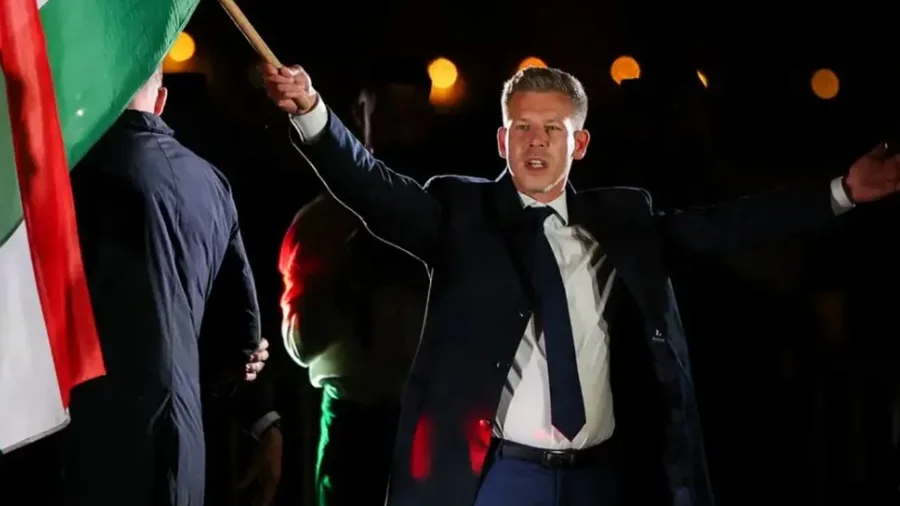
Most Hungarian minority associations in neighboring countries were extensions of Orbán's Fidesz party. The new Hungarian Prime Minister, Peter Magyar, now wants to reform the system of relations with the diaspora.
Since 1990, no prime minister in Hungary has been able to avoid the unwritten obligation to declare himself responsible for Hungarians abroad. Behind this lies the "Trianon trauma" that still lives in the country today: after World War I, Hungary lost more than 70 percent of its territory to neighboring countries with the Trianon Peace Treaty (1920).
As a result, millions of Hungarians suddenly found themselves in other countries, where they were often treated as second-class citizens. During the communist dictatorship that ruled Hungary from 1945 to 1989, talking about compatriots in neighboring countries was a taboo subject.
Hungary's first post-communist prime minister, conservative Jozsef Antall, attracted attention in 1990 when he said upon taking office that he wanted to be prime minister "in the spirit" of all 15 million Hungarians.
In doing so, of the five million Hungarians abroad worldwide, he was thinking primarily of the three and a half million who were then in Romania, Serbia, Slovakia, and Ukraine. Since then, Hungarians abroad have been a permanent domestic political topic, although their numbers are declining - today only about two million Hungarians still live in neighboring countries.
No other Hungarian prime minister has embraced the “Hungarian diaspora,” as they are called in Hungarian, as much as Viktor Orbán. This is especially true for the 1.1 million Hungarians living in Transylvania, Romania, who are arguably the largest Hungarian minority in Europe. Their interest group, the Democratic Union of Hungarians in Romania (RMDSZ), was transformed by Orbán years ago into an arm of his Fidesz party.
The end of "ethnic autocracy"
Sociologist Tamas Kiss, originally from Cluj, Transylvania, speaks of “ethnic autocracy.” Similar dependence on Orban and Fidesz can be found in the Union of Vojvodina Hungarians (VMSZ) in Serbia, and to a lesser extent in Hungarian parties in Slovakia and Ukraine. But it is now clear: for all politicians loyal to Orban in all four countries, the change of government in Budapest also marked a turning point. The incoming prime minister, Peter Magyar, demanded that they remain politically neutral in the future. In addition, he wants to reform the corrupt system of financial support for Hungarian minorities.
A turning point for minority politicians
Kjo nuk është një çështje e vogël politike, por një çështje pan-evropiane. Partitë e hungarezëve në Rumani dhe Serbi kanë një ndikim të konsiderueshëm në politikën qeveritare në vendet e tyre, veçanërisht në Rumani. Të dyja partitë janë anëtare të Partisë Popullore Evropiane (PPE), të cilën Fidesz i Orbanit e la në vitin 2021. Të dyja janë gjithashtu anëtare të Unionit Federalist të Kombësive Evropiane (FUEN), aleanca më e madhe ombrellë e pakicave në Evropë, presidenti i të cilit është një politikan i RMDSZ. FUEN krijoi iniciativën "Minority SafePack" në vitin 2013 për mbrojtje më të mirë të pakicave në Evropë, të cilën qeveria e Orbanit e përdori për politikën e saj anti-BE. Mbështetja financiare e qeverisë së Orbánit për rrjetin institucional të pakicave është zhvilluar gjithashtu në një problem ndërkufitar. Sipas vlerësimeve konservatore, ajo ka arritur në më shumë se tre miliardë euro gjatë 16 viteve të fundit, ku pjesa më e madhe e parave ka shkuar në Rumani. Shifra të verifikueshme nuk janë të disponueshme, pasi mbështetja për hungarezët jashtë vendit ofrohet përmes një sistemi krejtësisht jo transparent të fondacioneve dhe kompanive.
Bëhej fjalë për votuesit
Por përvetësimi masiv i hungarezëve të diasporës nga Orbani ka një qëllim: votuesit. Shumë hungarezë të pakicave mbajnë shtetësi hungareze dhe si të tillë kanë të drejtë të votojnë në listat e partive në zgjedhjet parlamentare hungareze që nga viti 2014. Me rëndësi të veçantë janë hungarezët në Rumani, diaspora më e madhe. Ata zakonisht votojnë me shumicë dërmuese për Fidesz.
Për t'i lidhur ideologjikisht hungarezët e pakicave me partinë e tij, Orbani ka krijuar një narrativë historike thellësisht revizioniste. Sipas tij, hungarezët janë kombi që u nda si asnjë tjetër në Evropë në shekullin e 20-të dhe që vuan për shkak të kësaj deri më sot. Por, siç vazhdoi narrativa e Orbanit, ata ende mbeten të bashkuar, dhe kjo përtej kufijve, me Orbanin si udhëheqësin e tij.
Marrëdhëniet më të mira me nacionalistët
Ky diskurs nuk e pengoi autokratin e Budapestit të kultivonte marrëdhënie të shkëlqyera me politikanë nacionalistë të kombeve të tjera, siç janë Presidenti serb Aleksandar Vuçiq ose Kryeministri sllovak Robert Fico. Vitin e kaluar, me rastin e zgjedhjeve presidenciale në Rumani, ai madje u rekomandoi bashkatdhetarëve të tij të votonin për George Simion të ekstremit të djathtë, i cili dikur ishte bashkëorganizator i sulmeve anti-rumune në varrezat ushtarake në Transilvani.
Mbështetja financiare e shtetit të Orbánit për rrjetin institucional të pakicave është zhvilluar gjithashtu në një problem ndërkufitar. Në vendet fqinje, dhe veçanërisht në Rumani, shteti hungarez financoi institucionet e pakicave, kishat hungareze, arsimin në gjuhën hungareze dhe madje ndërtoi një sistem stimulimi ekonomik etnik që mbështeti sipërmarrësit me origjinë hungareze.
"Orban bought the politics of the Romanian Hungarians, and a large part of the minority," Peter Eckstein-Kovacs told DW. He is a lawyer, a prominent liberal politician of the Hungarian minority in Romania, and a former minister for minorities. "In this way, most of the RMDSZ leadership became completely Fidesz spokespeople."
Magyar seeks neutrality
The future Hungarian Prime Minister, Peter Magyar, has already met with the political representatives of the Hungarian minorities of Romania, Serbia and Slovakia, Hunor Kelemen, Balint Pastor and Laszlo Gubik, and called on them to remain politically neutral from a party perspective in the future. In fact, Kelemen (Romania) and Pastor (Serbia) in particular intervened in the Hungarian election campaign in 2026 with personal appearances, suggesting that only Orban and Fidesz are capable of representing the interests of Hungarians in the minority.
Peter Magyar wants to support Hungarian minorities. He has already stated that his government does not want to restrict the rights already acquired. However, he also announced the retroactive verification of the legality of all payments to minorities since 2010 and the reorganization of the financial support system in a new and transparent way.
Peter Eckstein-Kovacs hopes that the change in Hungary will also bring incentives for Hungarian minorities: "We need to return to the original idea of minority interest organizations, which meant that all non-extremist currents have a place next to each other within one organization," says the lawyer and liberal politician.
Eckstein-Kovacs expects a radical change in minority policy from the new Hungarian government: "There are very bad historical precedents, let's just think of Germany, in which the mother country used its minorities on the other side of the border in turbulent times. It would be important to create the conditions so that Hungary cannot do to its minorities again what it did to them during the Orbán era."/DW




Lini një Përgjigje