


 Shkruar nga Pamfleti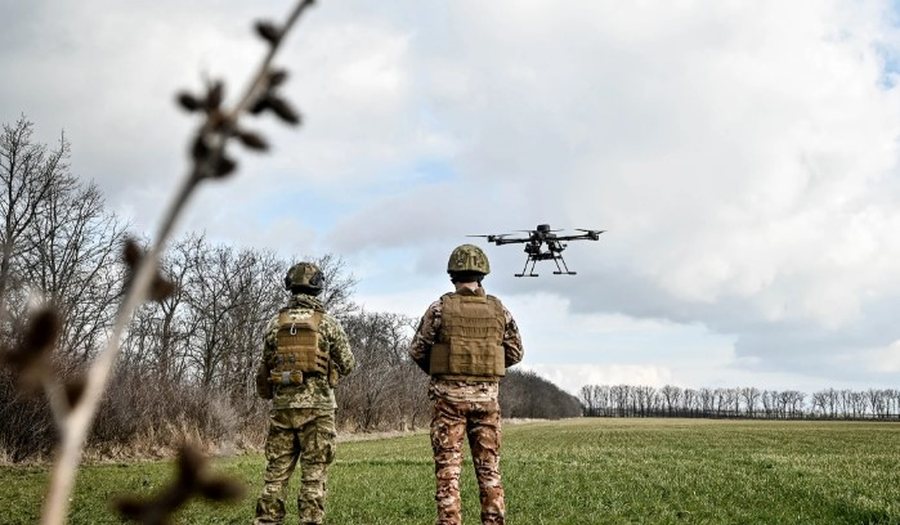
Despite advanced technology, today's wars are not being won any faster than they once were. Drones, sensors, and artificial intelligence have increased surveillance and destruction, but not control over the battlefield. Instead of quick victories, they are producing longer, more indecisive conflicts.
Rapid developments in military technology in recent years have created a dangerous belief among great powers: that war has become easier to win. Drones, artificial intelligence, advanced sensors and highly accurate weapons seem to promise an era where striking the enemy is faster, more accurate and less costly.
But the reality of the conflicts in Ukraine and the Middle East shows the opposite: the war has not become simpler, but more complicated, longer and often more inconclusive.
On the front lines in Eastern Ukraine, soldiers face a reality resembling a “death zone” monitored by drones from both sides. Vehicle movement is often impossible, forcing troops to advance on foot through forests, under constant risk of detection and fire.
Some missions last for weeks, and the psychological consequences are profound. Many soldiers returning from the front suffer from hypervigilance, reacting with fear to any noise that resembles that of drones. So the war does not end when the battle ends; it continues in the human mind.
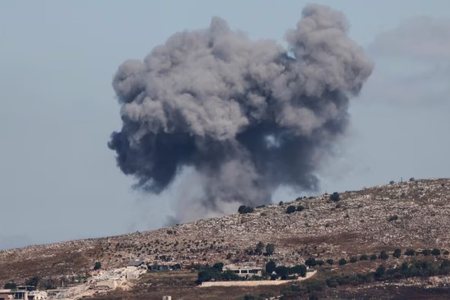
In another war zone, American and Israeli aircraft have carried out sustained attacks on targets in Iran, using advanced satellite surveillance and coordination technology.
In some cases, traffic cameras in Tehran have even been used to track the movements of Iranian leaders. While the technology seemingly offers a sense of absolute control, it has not brought decisive victories.
These two conflicts are very different in the way they unfold, but they share one common characteristic: the new transparency of the battlefield. Today, armies can see more than ever before, but that doesn't mean they can predict or control the outcome.
Information is abundant, but decision-making remains uncertain and fragmented. One of the main illusions of today's military strategists is the belief that new technology favors the attacker. In reality, it often favors the defense.
Ukraine and Russia are clear examples of a stalemate war, where territorial gains are minimal and costly. Drones, precision artillery, and multiple sensors have created a “narrow collision zone,” where every move is monitored and immediately attacked.
Dronët janë bërë simboli i kësaj epoke të re. Ata janë të lirë për t’u prodhuar, të shpejtë për t’u përmirësuar dhe të vështirë për t’u neutralizuar plotësisht. Në Ukrainë, ato përdoren jo vetëm për sulme, por edhe për furnizime dhe evakuime.
Megjithatë, ato nuk kanë sjellë dominim strategjik për asnjërën palë. Përkundrazi, kanë krijuar një luftë të vazhdueshme konsumimi. Disa analistë besojnë se pikërisht kjo është e ardhmja e luftës moderne: dy palë të bllokuara në një konflikt të pafund, të mbikëqyrura nga “shtresa inteligjente” dronësh dhe sensorësh.
Ndërkohë të tjerë argumentojnë se kjo është vetëm një fazë kalimtare. Teknologjitë anti-dron, sistemet e bllokimit elektronik dhe armët e reja mund të ndryshojnë sërish ekuilibrin. Megjithatë, një gjë është e qartë: asnjë teknologji nuk garanton fitore të shpejtë.
Edhe sistemet më të përparuara të SHBA-së dhe Izraelit nuk kanë arritur të eliminojnë plotësisht aftësitë mbrojtëse të Iranit. Në fakt, Teherani ka ruajtur një pjesë të madhe të arsenalit të tij dhe ka demonstruar aftësi për të goditur në distancë.
Kjo tregon se ideja e “goditjes së përsosur” - një sulm vendimtar që përfundon luftën - mbetet më shumë një mit sesa realitet. Historikisht, strategji të tilla kanë dështuar shpesh, që nga Vietnami deri në Afganistan.
Një problem tjetër është mënyra se si teknologjia po ndikon në vendimmarrje. Sistemet moderne mund të prodhojnë mijëra objektiva në ditë, por kjo nuk garanton strategji më të mirë. Përkundrazi, rrezikon të zëvendësojë mendimin strategjik me numra të thjeshtë. Sa më shumë objektiva të identifikohen, aq më shumë lufta shndërrohet në një proces mekanik, jo politik. Njëkohësisht, ushtritë po përballen me një paradoks: ndërsa investojnë në teknologji të re, vazhdojnë të mbështeten në pajisje të vjetra si tanket dhe avionët tradicionalë.
Këto sisteme nuk janë bërë të pavlefshme, por janë bërë më të rrezikuara në një fushë beteje të tejmbushur me sensorë dhe dronë. E ardhmja e luftës duket se do të jetë hibride: një kombinim i teknologjisë së lirë dhe masive me sisteme të shtrenjta dhe të sofistikuara.
Por shumë ushtri nuk po përshtaten ende me këtë realitet. Investimet mbeten shpesh të lidhura me modele të vjetra të luftës, duke krijuar një mospërputhje mes doktrinës dhe realitetit në terren.
Një dimension tjetër shqetësues është dobësimi i kufijve ligjorë dhe etikë të luftës. Luftimet e sotme zhvillohen shpesh përmes ekraneve, duke e bërë më të lehtë distancimin moral nga dhuna.
Në rrjetet sociale dhe video propagandistike, vdekja shndërrohet në spektakël. Kjo e ndryshon mënyrën se si shoqëritë e perceptojnë luftën dhe mund të ulë ndjeshmërinë ndaj saj.
Ndërkohë, rregullat e luftës po bëhen më të paqarta. Objektivat nuk janë më vetëm ushtarake, por shpesh përfshijnë infrastrukturë civile, duke ngritur pyetje të vështira mbi proporcionalitetin dhe legjitimitetin.
Globally, although some scholars have argued that violence is declining in the long term, the reality of current conflicts challenges this optimism. Modern wars are less deadly to the individual thanks to life-saving medicine and technology, but that does not mean they are less destructive.
The nuclear dimension also looms in the background. Nuclear weapons continue to be a deterrent, but the lack of new agreements to control them and tensions between major powers increase global insecurity. The danger is not necessarily immediate, but it is always present.
In a world where China, the US and other powers could be involved in direct conflict, uncertainty increases even more. Technology may offer tactical advantages, but it does not eliminate the risk of strategic mistakes, which in such a conflict could have catastrophic consequences.
Ultimately, the most dangerous illusion of our time is the belief that technology can control war. The history of Ukraine, Iran and other conflicts shows that technology changes the way war is fought, but not the fact that war remains unpredictable, costly and often uncontrollable. / Adapted from "Pamphlet" From "The Economist"




Lini një Përgjigje