


 Shkruar nga Pamfleti
Europe continues to rely on American weapons for its rearmament. This was also evident at the NATO summit in Ankara, where an important defense industry forum was also held. American companies in particular benefited from lucrative contracts.
However, for missiles, which are vital for European defense, production and maintenance are expected to be partially transferred to Europe. Lockheed Martin and Rheinmetall have already signed a memorandum of understanding for the co-production of ATACMS missiles in Germany. The aim is to increase reserves without harming American industrial interests. In the long term, Europe aims for greater independence.
European Air Defense: The Patriot Issue
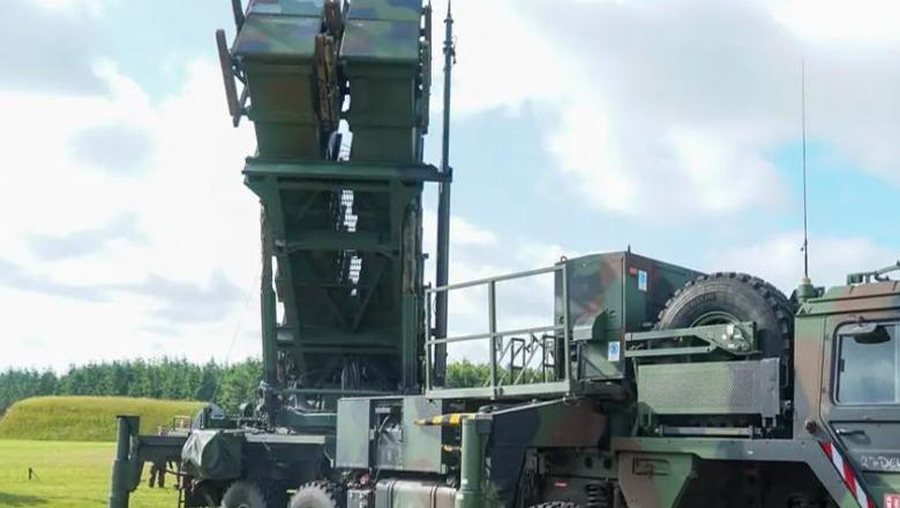
There is hardly a weapons system that symbolizes the European NATO countries' dependence on the United States more than the Patriot system. This American air defense system protects strategic targets in Ukraine and has been used for decades in many NATO countries.
The European response to this dependency does not consist of a single system. In the upper layer of air defense, where threats at high altitudes are intercepted, the Franco-Italian SAMP/T NG system aims to become the European alternative to the Patriot. The modernized version will also be able to fight ballistic missiles thanks to new sensors and missiles. The first units are expected to be delivered in 2027.
For medium-range defense, Germany relies on Diehl's IRIS-T system, which is already in service in Ukraine. It can operate at a range of up to 40 kilometers and at altitudes of up to 20 kilometers. The most advanced version, the IRIS-T SLX, is expected to enter service in 2029 and will have a range of about 80 kilometers and an altitude of up to 30 kilometers.
In the short term, Europe cannot replace the Patriot systems, but in the long term it aims to protect its airspace with self-developed systems.
ELSA: The European response to the lack of long-range capabilities
In the event of conflict, not only defensive capabilities are needed, but also offensive ones. Currently, when European armies plan precision strikes deep behind enemy lines, American systems such as Tomahawk cruise missiles dominate.
As seen at the NATO summit in Ankara, Germany is currently relying on this solution. The German government has reached a preliminary agreement with the US to purchase Tomahawk missiles and Typhoon ground-launched systems. The aim is to close the strategic gap with Russia.
However, this agreement highlights the fundamental problem of European defense policy: the necessary capabilities are being provided initially by the US, while European systems still need to be developed.
Me programin ELSA (European Long-Range Strike Approach), gjashtë fuqi evropiane – përfshirë Francën, Gjermaninë dhe Britaninë e Madhe – synojnë të krijojnë një kundërpeshë industriale. Projekti parashikon zhvillimin e lëshuesve të rinj raketorë, raketave lundruese moderne dhe dronëve me rreze të gjatë veprimi nga 500 deri në 2000 kilometra.
Pavarësia e vërtetë evropiane në këtë fushë pritet të arrihet vetëm në fillim të viteve 2030.
Megjithatë, municioni është vetëm gjysma e betejës. Varësia reale nga Uashingtoni qëndron te identifikimi i objektivave – e ashtuquajtura "Kill Chain”. Pa një rrjet të pavarur sensorësh, satelitësh dhe strukturash komanduese, edhe raketat evropiane nuk mund të gjejnë objektivat e tyre në mënyrë autonome.
DECODER: Mësimi evropian nga lufta e dronëve
Lufta në Ukrainë ka treguar një përdorim të paprecedentë të dronëve. Ato dominojnë si vijat e frontit ashtu edhe sulmet në thellësi të territorit armik.
Pikërisht këtu ndërhyn programi DECODER (Drone and Counter-Drone European Resolve). Projekti i BE-së synon të pajisë forcat e armatosura evropiane me dronë dhe sisteme kundër dronëve, ndërkohë që e bën industrinë evropiane më pak të varur nga zhvillimet amerikane.
Aktualisht, shumica e zhvillimeve po kryhen në nivel kombëtar. Edhe në Gjermani, kompanitë e reja të teknologjisë së dronëve dhe industria e mbrojtjes po përfitojnë nga kërkesat e krijuara nga lufta në Ukrainë dhe porositë e Bundeswehr-it.
Me DECODER, këto përpjekje mund të bashkohen në nivel evropian. Në projekt marrin pjesë 26 vende të BE-së, si dhe Norvegjia dhe Ukraina. Përfshirja e Ukrainës konsiderohet veçanërisht e rëndësishme për shkak të përvojës së saj shumëvjeçare në përdorimin e dronëve në luftë.
Komisioni Evropian vlerëson se deri në vitin 2033 do të nevojiten investime prej 3,5 deri në 5 miliardë euro.
IRIS²: Komunikim satelitor i sigurt
Rëndësia e sistemit Starlink në fushëbetejat e Ukrainës i ka zgjuar evropianët.
Me projektin IRIS², Bashkimi Evropian dëshiron të krijojë shërbimin e vet satelitor, të pavarur nga SHBA-ja. Kontratat e para për ndërtimin e konstelacionit të satelitëve tashmë janë nënshkruar.
Deri në 290 satelitë do të sigurojnë komunikim të mbrojtur ndërmjet institucioneve qeveritare dhe do të përdoren gjithashtu për qëllime mbrojtëse. Projekti, me vlerë mbi 10 miliardë euro, pritet të ndërtohet gjatë viteve 2029–2030 dhe të bëhet operacional pas vitit 2030.
Saab GlobalEye: Teknologji kyçe nga Suedia
Përpara se të ngrihen avionët luftarakë ose të lëshohen raketat, Evropa duhet të dijë se çfarë po lëviz në ajër, në det dhe në tokë.
Për këtë qëllim, NATO operon 14 avionë AWACS, të bazuar në modelin amerikan Boeing 707 dhe të stacionuar në Geilenkirchen pranë Aachenit.
Gjenerata e ardhshme e sistemit fluturues të radarëve nuk do të bazohet më në teknologjinë amerikane. Në samitin e NATO-s në Ankara u njoftua fillimi i negociatave me kompaninë suedeze Saab për blerjen e deri në dhjetë avionëve të paralajmërimit të hershëm GlobalEye.
If the contract is finalized quickly, the first aircraft could be delivered by 2030.
FCAS: The failed Franco-German dream
In recent years, many European countries have chosen the most modern Western fighter jet, the American fifth-generation F-35. These aircraft represent advanced technology, but also dependence on the United States.
The FCAS program (known in France as SCAF) was supposed to be the European answer. The project aimed to create the first sixth-generation fighter aircraft, integrated with accompanying drones, sensors, data networks and new weapons.
France, Germany and Spain participated in the project, with the main companies Dassault and Airbus.
However, the heart of the project – the next-generation joint jet – collapsed a few weeks ago after years of disagreement. Governments in Berlin and Paris failed to resolve a conflict between Dassault and Airbus over direction, division of labor and key technologies.
For European autonomy in the field of defense, this is a serious failure. Precisely where the dependence on American technology is most evident, the largest European defense project was derailed due to national and industrial interests./ DW





Lini një Përgjigje