


 Shkruar nga Marta Cartabia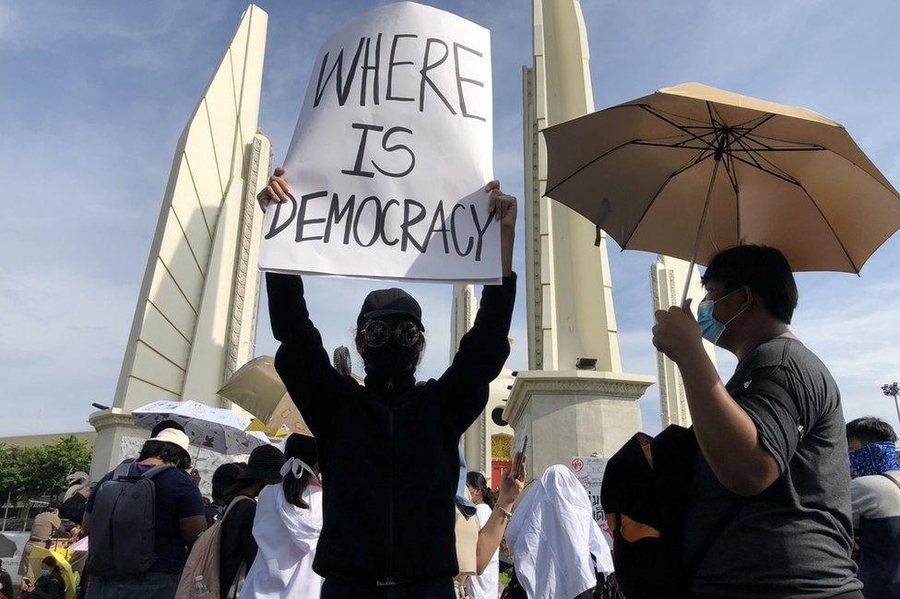
92% of the world's population lives in deteriorating forms of democracy, if not outright autocracies...
In the current context, democracies are not in good health. International indicators show that today only 28% of the world's population lives in regimes that can be defined as fully democratic, while 92% of the population lives in deteriorating forms of democracy, if not outright autocracies. The problem is not simply quantitative. The perception and idea of democracy that public opinion has around the world is changing.
Indeed, understanding the meaning of the word "democracy" requires a few moments of reflection.
Democracy is a term steeped in history and is a term that has changed a lot over time. Of course, contemporary democracies cannot be compared to the democracies of the Athenians, which constitute the point of reference, the prototype to which our Constitution refers. Democracy, as understood in the Italian Constitution, is a concept that cannot be reduced to the main etymological meaning of the word, which means "power exercised by the people", but has been gradually enriched by many institutions that require further exploration.
What does the Constitution say about democracy?
We find it at the very beginning. After the definition of the Republic as a democratic republic, there is an important specification. The second paragraph of Article 1 states: "Sovereignty belongs to the people, who exercise it in the forms and within the limits of the Constitution."
Three aspects deserve special attention. Three words in particular: the choice of the verb "belong"; the idea that democracy is expressed in different ways, which are predetermined by the Constitution; and, even more importantly in the contemporary era, the fact that democracy and popular sovereignty encounter limitations in the constitutional text, which is nevertheless the result of a democratic choice, since it is the fruit of the work of the Constituent Assembly elected exactly eighty years ago, on June 2, 1946.
"Sovereignty belongs to the people who exercise it in the forms and within the limits of the Constitution."
The verb "belong" The choice of the verb "belong" requires some clarification, and it is interesting to note which alternatives were ruled out.
The first proposal spoke of a "sovereignty that emanates from the people." But here an objection arose: to say that sovereignty emanates from the people alludes to the idea that the people, having decided who their representatives will be, withdraw and no longer have any say in the exercise of political power.
Më pas u hodh një propozim i dytë: duhet të thuhet se "sovraniteti qëndron te populli". Por edhe ky opsion u përjashtua sepse nuk përfaqëson me besnikëri procesin dhe metodat me të cilat zhvillohet demokracia. Populli nuk është më populli athinas që mblidhet në një kuvend për të marrë drejtpërdrejt çdo vendim politik. Prandaj zgjedhja përfundimtare, e cila ra mbi foljen "përkas".
Mbajtësi i sovranitetit është populli, por metodat dhe format përmes të cilave shprehet janë jashtëzakonisht të ndryshme. Zgjedhja themelore e Kushtetutës sonë është zgjedhja për demokraci përfaqësuese. Populli zgjedh përfaqësuesit e tij në Parlament, dhe Parlamenti më pas do të formojë një qeveri me ndërhyrjen dhe përzgjedhjen e Presidentit të Republikës, i cili është i lidhur me Parlamentin nga një marrëdhënie besimi .
Është e rëndësishme të theksohet se zgjedhja popullore në zgjedhje nuk është vetëm dhe drejtpërdrejti të zgjedhë se kush do të qeverisë, por edhe të zgjedhë përfaqësuesit . Kjo është artikuluar shumë qartë nga Gjykata Kushtetuese në dy vendime (në 2014 dhe 2017), ku Gjykata Kushtetuese pohon se demokracia nuk ka të bëjë vetëm me sigurimin e vendit me qeverinë më të qëndrueshme të mundshme, por edhe me zgjedhjen e përfaqësuesve që shprehin zërat e atyre që nuk janë pjesë e shumicës qeverisëse.
Prandaj, ne duhet t'i japim hapësirë edhe opozitës ose grupeve të tjera minoritare që nuk kanë pasur mundësinë të fitojnë zgjedhjet. Kushtetuta jonë nuk pranon një demokraci "fituesi i merr të gjitha", por lejon gjithashtu pluralizmin. Populli përbëhet nga një shumësi zërash dhe të gjithë duhet të kenë mundësinë të shprehen në institucione. Prandaj, baza themelore e demokracisë sonë bazohet në idenë e demokracisë përfaqësuese.
Nuk duhet ta nënvlerësojmë rëndësinë e disa institucioneve të pjesëmarrjes së drejtpërdrejtë popullore, veçanërisht referendumit, i cili në historinë tonë italiane ka luajtur një rol të rëndësishëm në zhvillimin dhe dinamikën e jetës demokratike të vendit. Prandaj, për të përdorur një imazh të përdorur nga një studiues i madh italian mbi bazën e demokracisë përfaqësuese, Kushtetuta shart disa degë të pjesëmarrjes së drejtpërdrejtë popullore që i japin jetë të gjithë ndërtesës.
Demokracia nuk ka të bëjë vetëm me sigurimin e vendit me qeverinë më të qëndrueshme të mundshme, por edhe me zgjedhjen e përfaqësuesve që shprehin zërat e atyre që nuk janë pjesë e shumicës qeverisëse. Populli përbëhet nga një shumicë zërash dhe të gjithë duhet të kenë mundësinë të shprehen në institucione.
Demokracia nuk është një pushtet absolut
Por ka një fjalë tjetër që është shumë e rëndësishme për t'u respektuar në këto kohë: demokracia në Kushtetutën italiane nuk është një pushtet absolut; ajo has kufizime, dhe ato janë kufijtë e përcaktuar nga Kushtetuta.
Kushtetuta është vetë një shprehje e demokracisë dhe paracakton këto aspekte themelore: ndarjen e pushteteve, detyrat e secilit institucion dhe të drejtat themelore të individit.
The Constitution is technically defined as rigid because it is considered a law superior to all others, which cannot be disregarded even by democratically elected institutions. Therefore, the expression "sovereignty belongs to the people, but is exercised within the limits of the Constitution" means that even those who are democratically elected cannot make any decisions, but must make their decisions within the limits set by the Constitution.
This was reiterated recently in an important decision of the Constitutional Court, the one related to the third mandate, which states that "limits and restrictions on the exercise of power are conditions for the sustainability of democracy". And this is even more important today, when leaders tend to be invested with power directly by popular election and there is a risk of personalization.
Constitutional Court
And it is precisely with the role of the Constitutional Court that we must conclude this reflection on democracy in the Italian Constitution. The Constitutional Court is the youngest of those institutions with roots in the capital. It was born only in the Republican Constitution, while governments, parliaments and heads of state have existed forever, since the existence of the state. The Constitutional Court was born precisely in response to the excesses of totalitarianism and the fascist period, when the exercise of political power sometimes followed predetermined forms, but essentially denied the fundamental pact, the rights of the individual and the spirit established in the Albertine Statute, the Constitution of the time.
What is the role of the Constitutional Court? It is to protect the Constitutions, that is, to protect those principles, rights, values, duties and rules that the people established in the fundamental pact that is the Constitution, born precisely from the Constitutional Assembly and which entered into force in 1948.
Therefore, the task of the Constitutional Court is to ensure that the exercise of political and democratic power never exceeds the limits established once and for all by the Italian people. In other words, defending the Constitution also means defending democracy in all its richness, which is also what our Constitution provides for.
What is the role of the Constitutional Courts? It is to protect the Constitutions, that is, to protect those principles, rights, values, duties and rules that the people have established in the fundamental pact that is the Constitution./According to "Pamphlet" from "Corriere della Sera"



Shqiperia si Serbia,Turqia,Rusia eshte Autokraci.Nje dore e forte qe kontrollon gjithcka!!!A nuk eshte i tille Rama??!!