


 Shkruar nga Pamfleti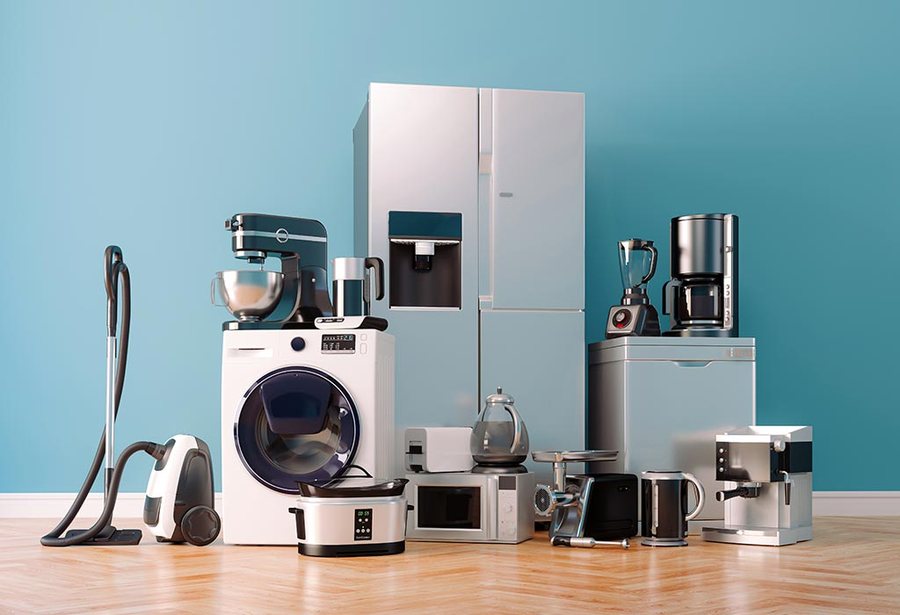
In 2014, prices in Albania, calculated according to purchasing power standards, were half the European Union average.
Over the years, prices rose much faster than incomes, and in 2025, this indicator reached 72.6%, the highest record level ever reported, according to Eurostat data compiled by Monitor. The figures are expected to be published today by Eurostat.
The Eurostat indicator does not measure prices in nominal terms, but rather the index of the price level according to purchasing power parity (PPP). This indicator compares how much the same basket of goods and services costs in different countries, eliminating the effect of exchange rates and differences in income levels. A level above 100 indicates that prices are higher than the European Union average, while a level below 100 indicates that they are lower.
Simply put, while in 2014 the same products that cost 100 euros in EU countries cost 50 euros in Albania, in 2025 the same products cost around 73 euros for 100 euros in EU countries.
Data shows that more and more products are costing more than the EU average, including essential ones.
The most expensive product in Albania is alcoholic beverages, which cost 59% more than the European average (159%).
While you can live without alcoholic beverages, or consume local wine and brandy, which are much cheaper, the essential group “Milk, other dairy products and eggs” is 35.6% more expensive than the EU average, increasing further compared to the previous year (32.5%). The main impact is provided by dairy products, with yogurt, for example, costing more than in many countries in Europe even measured by direct prices. The dairy processing industry has repeatedly complained about high costs and dysfunctional value chains.
Household appliances are another product that costs us dearly, with an index that is 112.3% of the European average, or 11.3% more expensive, from 109.7% a year ago.
When the Middle East crisis began, the debate over high fuel prices was intense. Eurostat data shows that this product cost almost 11% more than the European average in 2025 (110.5), deepening the gap with the previous year (106.6).
Information and communication also costs almost 8% more than the European average, and information and communication equipment is also more expensive (106.1).
Higher spending is also needed for clothing, as prices are 105.2% of the EU average.
For the first time, food is also more expensive than the EU average, costing 2.9% more.
The cheapest product in Albania is tobacco, which costs half the European average. Restaurants are also cheap, where a dinner that costs an average of 100 euros in the EU is 53 euros in Albania. But this is more of a luxury for tourists, who are attracted by the cheap prices of accommodation and food service.
Meanwhile, locals are forced to buy most of the necessary products in their basket at a higher price than in the EU, even though their income is not even half that of the EU.
According to Eurostat, Albanian consumers have individual consumption per capita purchasing power equal to 48% of the European Union average and income per capita equal to 43% of the European Union average./Monitor





Lini një Përgjigje