


 Shkruar nga Pamfleti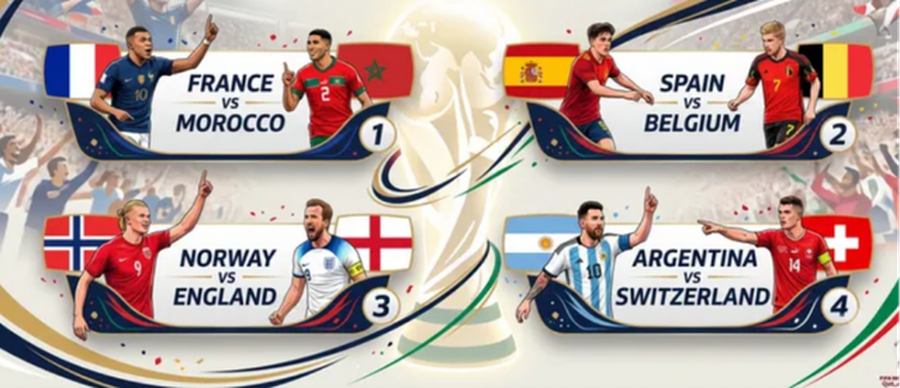
There are still seven matches left to play before the new 2026 World Cup champion is announced. After a month of competition, only eight national teams continue their journey, each with its own qualities and shortcomings that could prove decisive in the race for the trophy.
Fatigue has begun to take its toll. At the end of July, high temperatures and high humidity have taken a toll on the physical condition of the players, while even hydration breaks are not enough to recover from an increasingly busy season. This has contributed to the decline in form of some favorites, has brought surprise eliminations and has also produced slower-paced matches.
France: Considered the favorite since the start of the tournament, France is the team that has convinced the most with its performances. The only exception was the 1/8 match against Paraguay, where they were hampered by the high temperatures in Philadelphia and the opponent's dense defense.
Didier Deschamps' team has perhaps the best quality composition of this World Cup. The French coach has maintained the balance of the team, activating four attacking players at the same time: Dembélé, Olise, Barcola (or Doué) and Mbappé. Their contribution in the defensive phase also allows France to limit the spaces once they lose the ball.
In defense, the Saliba-Upamecano pairing has offered great guarantees, while the attack has stood out for its mobility and efficiency. Mbappé has scored seven goals, Dembélé four, Barcola two, while Olise has five assists, statistics that speak for themselves.
Morocco: Saibari's absence was felt, while against Canada, Ouahbit's team encountered difficulties, especially in the first half. However, the Moroccans managed to triumph, proving once again the character that has accompanied them throughout the tournament.
Former coach Regragui's legacy of tactical discipline and finishing efficiency continues to be evident. Morocco knows how to create space by emptying certain areas of the pitch and strike with quick counterattacks. Physical decline remains the main concern, but the team has the quality to continue the competition.
Spain: This team is no longer the one that won Euro 2024. The team no longer manages to create the same situations on the wings and then strike in the center with the same effectiveness.
Lamine Yamal is not having his best moment, while the absence of Nico Williams on the left wing has changed the way of playing, with Baena taking his place. Spain's main strength remains the midfield, where Rodri organizes the game, Pedri creates and Dani Olmo penetrates constantly.
Belgium: Belgium seemed destined for an early exit, but Rudi Garcia's late moves against Senegal changed the course of the tournament. From a near-hopeless situation, the Belgians secured a place in the quarter-finals.
Even without De Bruyne and Doku in the lineup, while Lukaku was only activated during the match, the team found the right balance. De Ketelaere has become the main point of attack, while the alternatives on the bench are numerous. Defense remains the weakest point.
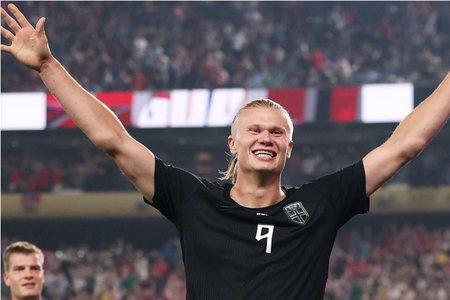
Norway: Norway's potential was known, but Brazil's elimination was one of the biggest surprises of this World Cup. The Scandinavian team controls the pace of the game well, has consolidated automatism and effectively uses the wings in the 4-3-3 scheme.
Martin Ødegaard enjoys complete freedom in organizing the actions, while the bench offers quality alternatives. Of course, the main weapon remains Erling Haaland, while the biggest weakness continues to be the center of defense.
England: England are one of the few teams to have displayed organised pressing throughout the tournament. The team knows how to control the tempo, has plenty of quality both in the starting lineup and on the bench, with Harry Kane and Jude Bellingham leading the way.
The formation led by Thomas Tuchel is capable of defending well and attacking with many players. Even in the match against Mexico, when they were left with ten players, they showed character and the ability to suffer until the end.
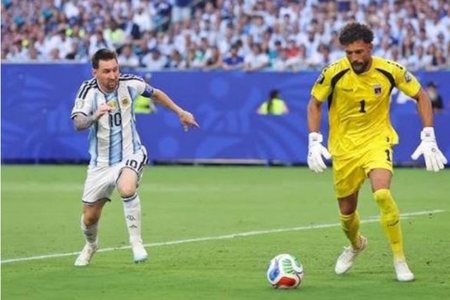
Argentina: Enthusiasm and fighting spirit remain part of Argentina's identity, but the reigning champions have also shown some obvious problems. The four goals conceded against Cape Verde and Egypt show that the team has lost some of its former confidence and was very close to elimination.
Argentina are no longer producing the same automatic combinations and quick ball circulation in midfield. Lionel Scaloni has also experimented with tactical changes, using long balls and crosses more often. However, the desire to defend the title remains very strong.
Switzerland: Switzerland no longer displays the former organization that characterized them under the leadership of Murat Yakin, but continues to be a pragmatic and physically strong team.
Manzambi's injury has been a significant loss. In defense, the Elvedi-Akanji duo remains the team's strongest point, while Embolo offers power and presence in the offensive department. The main problem remains the lack of a creative player who can change the pace of the game and the difficulty in finalizing the chances.



Lini një Përgjigje