


 Shkruar nga Pamfleti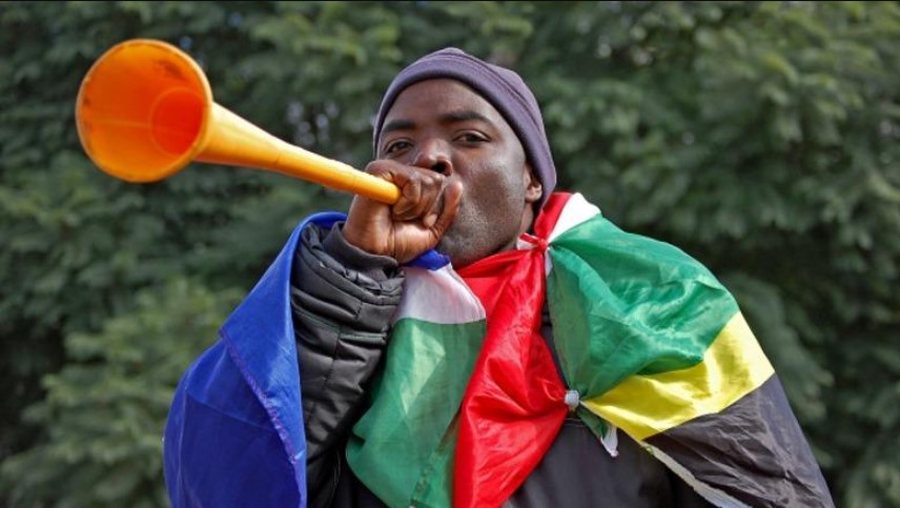
FIFA has published a code of conduct for the 2026 World Cup, which will be hosted by the United States, Mexico and Canada. Among the new measures is a ban on vuvuzelas, the plastic horns that became a symbol of the 2010 World Cup in South Africa.
According to Forbes, vuvuzelas have been included in the list of banned items due to the high noise levels they produce. Although they create a special atmosphere in stadiums, their sound can reach levels that are considered dangerous to hearing.
Banning vuvuzelas is not a new measure in the sporting arena. Other international competitions have also imposed restrictions on them, after numerous players and fans have complained over the years about the constant and annoying noise they cause.
These plastic horns were brought back into the spotlight during the 2018 World Cup in Russia, where they were used primarily by Iranian fans. Their presence again sparked negative reactions from participants and spectators.
In addition to the noise, authorities have raised other concerns about the use of vuvuzelas in stadiums. They can serve as striking tools, while a study published in 2010 suggested that the droplets released during their blowing could help spread viruses and germs, keeping them in the air for long periods.
As a result, FIFA has decided to ban vuvuzelas from the 2026 World Cup, placing them alongside laser pointers and plastic water bottles on the list of prohibited items. According to the organizers' rules, fans will not be allowed to bring in water from outside, while drinks will only be available for purchase inside the stadiums.
The 2026 World Cup will start on June 11 and end on July 19, being the first edition of the tournament to be organized by three host countries.








Lini një Përgjigje