


 Shkruar nga Pamfleti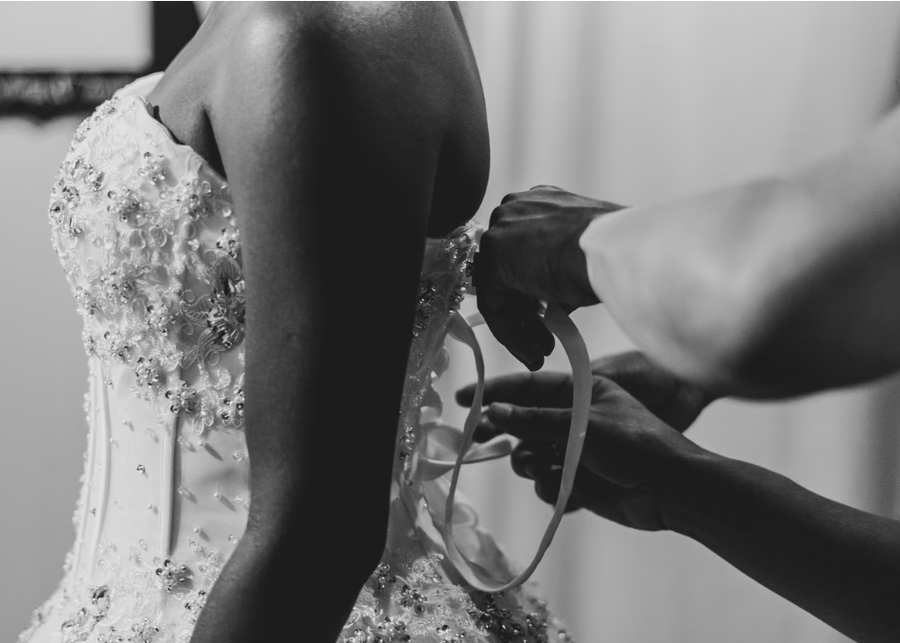
In bridal shops around the world, sales consultants are being trained to ask a new and direct question: “Are you planning to lose a large amount of weight?”
The new arrival that is changing the wedding season is semaglutide, which is now used by 10% of engaged couples, according to a survey by wedding planning platform Zola. In the same survey, 42% of couples said that the proliferation of GLP-1 drugs has made them feel like they have to “look a certain way” for their wedding day.
Weight loss with GLP-1 is not limited to women, but the impact is felt most strongly by wedding dress designers. Traditional wedding dresses are intricate and expensive garments. In her 16 years as a wedding dress designer, says Rebecca Schoneveld, who runs a business “that intentionally aims to be inclusive of all sizes,” many brides would say to her, “I’m trying on the dress now, but I hope I lose weight” — and in the past, that didn’t happen. Or they would only lose an inch or two. The difference over the past year or two is that “the weight loss has been dramatic.”
Historically, says Kelly Cook, chief executive of David's Bridal, which has about 200 stores in the U.S., planning a wedding took about 18 months, with the bride choosing her dress "in the fourth, fifth or sixth month." Late last year, Cook noticed a "significant shift." Many brides would arrive early to try on dresses, ask anxious questions about weight loss and fitting, but were "scared to buy" the dress and, when they did decide to buy it, would do so months later.
David's Bridal responded by introducing a dress fit guarantee, "which guarantees that, no matter the style, we will make sure it fits by the wedding day" — and if that means replacing it with another dress, then so be it, Cook says. David's Bridal, which sells "about 2 million products a year across all of our categories," many of them priced between $500 and $2,000, can afford such a service. For smaller businesses that create fewer, custom-made dresses with intricate details, such a guarantee would mean financial ruin.
Instead, many stores are asking brides to guarantee they will pay for the dress, regardless of whether it fits them on their wedding day. While some bridal designers have been using similar contracts for years, they are becoming more common and, in some cases, have been tailored specifically for the Ozempic era. Jarithza Carlson, U.S. director of manufacturing for American designer Anne Barge, has updated the contracts, adding: “If you plan to lose a significant amount of weight, please notify our retail team. Essentially, you may need to purchase another dress if the dress is more than three sizes too big.” Sales staff are also trained to raise the issue early on, with the goal “of identifying potential issues before the dresses are produced.”
When a dress is a few sizes too big, says fitting specialist Melissa Lynn Oddo, it “may not be suitable for alterations,” or the alterations can easily cost $1,500, because “what we’re really doing is creating a custom garment, taking apart every seam and re-adjusting all the measurements.”
"The culture of thinness and cosmetic surgery have become much more normalized," says Rebecca Schoneveld. /Guardian







Lini një Përgjigje