


 Shkruar nga Pamfleti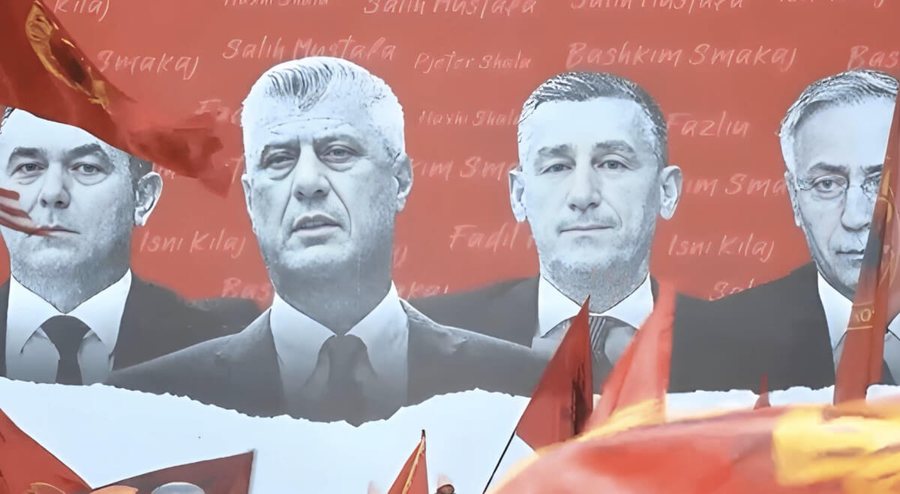
The Kosovo Special Court in The Hague is expected to deliver its verdict in its most important case to date. Beyond the criminal responsibility of the 4 defendants, the verdict is expected to influence the debate on the rule of law, historical memory and transitional justice in Kosovo and the Western Balkans…
The Kosovo Specialist Chambers in The Hague will announce its verdict in the trial of four former leaders of the Kosovo Liberation Army (KLA) on September 16, concluding one of the most complex and politically sensitive trials related to the wars in the former Yugoslavia.
According to the court's announcement, the decision will not only determine the criminal responsibility of Hashim Thaçi, Kadri Veseli, Rexhep Selim and Jakup Krasniqi, but is also expected to serve as important evidence for the credibility of the Special Court, the development of the rule of law in Kosovo and the way institutions deal with the legacy of the war.
The four defendants have been in custody since November 2020 and are charged with war crimes and crimes against humanity. According to the indictment of the Special Prosecution, they are suspected of participating in a joint criminal enterprise aimed at consolidating control through intimidation, unlawful detention, ill-treatment and killing of political opponents. The alleged victims include Serbs, Roma and Albanians considered political opponents or insufficient supporters of the KLA.
During the presentation of the plea, prosecutors requested 45 years in prison for each of the defendants.
Since the beginning of the trial, all four have denied the charges and stated that they do not bear individual responsibility for the alleged acts. At the opening session in April 2023, they pleaded not guilty to all counts of the indictment.
This is the most important case to be heard so far by the Special Court, established in 2015 by a decision of the Kosovo Assembly, under international pressure and following a Council of Europe report on alleged crimes committed by members of the KLA. Although legally part of Kosovo’s justice system, the court operates in The Hague and is composed exclusively of international judges and prosecutors. This model was chosen due to international concerns about witness protection and ensuring an independent judicial process.
Krijimi i kësaj gjykate pasqyron një nga karakteristikat kryesore të zhvillimit institucional të Kosovës pas luftës, ku ndërtimi i institucioneve është shoqëruar me një rol të rëndësishëm të komunitetit ndërkombëtar. Nga administrata e UNMIK-ut te misioni i Bashkimit Evropian për sundimin e ligjit (EULEX) dhe më pas Gjykata Speciale, përpjekjet për forcimin e drejtësisë janë mbështetur në mekanizma ndërkombëtarë për trajtimin e çështjeve që konsideroheshin të vështira për t'u adresuar vetëm nga institucionet vendase.
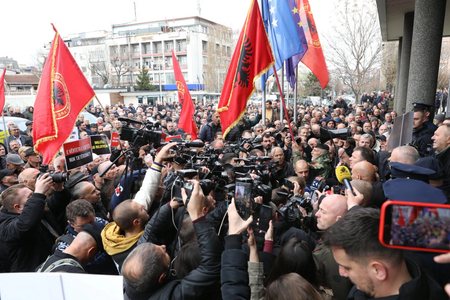
Procesi mbetet veçanërisht i ndjeshëm në Kosovë, ku UÇK-ja konsiderohet nga një pjesë e madhe e opinionit publik si simbol i luftës për çlirim dhe pavarësi. Nga ana tjetër, mandati i Gjykatës Speciale kufizohet vetëm në vlerësimin e përgjegjësisë penale individuale të personave të caktuar dhe jo në gjykimin e legjitimitetit historik ose politik të luftës çlirimtare. Ky dallim ka qenë në qendër të debatit publik që nga themelimi i saj.
Faza e administrimit të provave përfundoi në dhjetor 2025, pas dëgjimit të 134 dëshmitarëve dhe shqyrtimit të mijëra faqeve dokumente, ndërsa argumentet përfundimtare u paraqitën në shkurt 2026. Kohëzgjatja e procesit pasqyron kompleksitetin e akuzave, masat e gjera për mbrojtjen e dëshmitarëve dhe standardet e larta të provave të zbatuara gjatë gjithë gjykimit.
Prokuroria argumentoi se provat dëshmojnë ekzistencën e një ndërmarrjeje të përbashkët kriminale dhe rolin qendror të katër të akuzuarve në funksionimin e saj. Mbrojtja, ndërkaq, këmbënguli se prokuroria nuk arriti të provojë as ekzistencën e një plani të përbashkët kriminal dhe as përgjegjësinë individuale të secilit prej të pandehurve, duke kundërshtuar pretendimin se UÇK-ja kishte funksionuar si një strukturë kriminale e organizuar.
Vëmendje të veçantë morën dëshmitë e ish-zyrtarëve të lartë amerikanë dhe të NATO-s të thirrur nga mbrojtja. Ish-zëdhënësi i Departamentit Amerikan të Shtetit, James Rubin, deklaroi se Hashim Thaçi kishte ushtruar kryesisht një rol politik dhe diplomatik, dhe jo komandues operacional mbi njësitë e UÇK-së. Në të njëjtën linjë, ish-Komandanti Suprem i Forcave Aleate të NATO-s në Evropë, Wesley Clark, tha se UÇK-ja funksiononte më shumë si një rrjet njësish lokale të decentralizuara sesa si një organizatë ushtarake me hierarki të rreptë. Prokuroria kundërshtoi vlerën provuese të këtyre dëshmive, duke argumentuar se dëshmitarët nuk kishin njohuri të plota mbi strukturën e brendshme dhe proceset vendimmarrëse të UÇK-së.
Beyond this specific issue, the trial is considered part of a broader debate on transitional justice in the Western Balkans. From the International Criminal Tribunal for the former Yugoslavia (ICTY) to the national and international mechanisms that followed, the region continues to seek a balance between pursuing justice, reconciliation, and building democratic institutions. The experience of recent decades has shown that judicial decisions can determine individual responsibility, but do not necessarily eliminate different national narratives about wars.
The September 16 decision is also expected to have an impact on political developments in the region. In Pristina, it could influence the debate on collective memory, the relationship between historical legitimacy and legal responsibility, and the way institutions deal with the legacy of the past. In Belgrade, the decision is expected to become part of the public debate on war narratives and the responsibilities of the parties involved. Although the case concerns only four defendants, the political consequences could affect the already sensitive relations between Kosovo and Serbia.
Regardless of the outcome, the conclusion of this process is considered a significant moment for post-conflict justice in the region. The decision of 16 September is expected to be the most significant test yet of the ability of an institution supported by the international community to determine individual responsibility without becoming an arena for the clash of historical narratives. For Kosovo, the issue goes beyond the fate of the four former KLA leaders and is related to the maturity of institutions, the strengthening of the rule of law and the ability to preserve historical memory while respecting the principle of individual responsibility. /Adapted from Pamphlet by BalkanEU/.




Lini një Përgjigje