


 Shkruar nga Pamfleti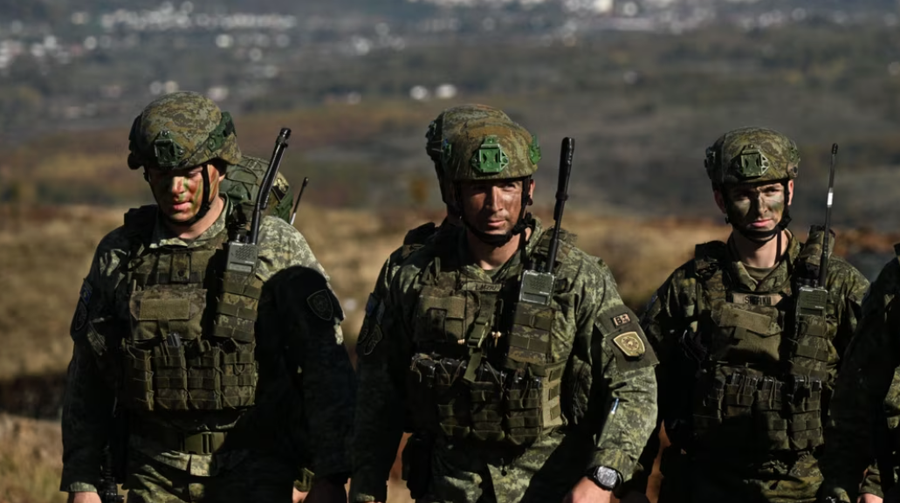
In Gaza, one of the most dangerous and unstable areas in the world, Kosovo is entering for the first time an international stabilization mission, mandated by the United Nations. Its soldiers are being deployed in a terrain where the line between control and chaos is unclear. In these conditions, Kosovo is getting closer to the global stage, but, at the same time, also to the dangers that accompany it.
The International Stabilization Force (ISF) stems from a 20-point plan by US President Donald Trump to end Israel's war in Gaza. It is envisioned as a multinational force to be deployed to the enclave to train police, help secure borders and maintain order, and support the demilitarization of the territory from Hamas.
This Palestinian group, designated a terrorist by the United States and other powers, has controlled Gaza since 2006 and sparked the war with its massive attack on Israeli territory in October 2023. It has signaled a willingness to give up governance of Gaza, but not its weapons, while Trump has maintained his stance.
" If Hamas doesn't do what it says it will do, if it doesn't behave properly, then it will face a big problem - a really big problem, the likes of which it has never experienced before ," the US president has vowed.
The composition of the International Stabilization Force has not yet been fully determined, but, according to UN Resolution 2803, it is expected to operate in coordination with Israel and Egypt, as well as a newly trained Palestinian police force.
Kosovo's Prime Minister, Albin Kurti, now in office, announced at the end of January that the Kosovo Security Force would participate in the International Stabilization Force for Gaza.
Less than three months later, the Kosovo Assembly approved its deployment to the conflict zone, and last weekend it was announced that a team of soldiers has already been sent there to assess the location where it will operate as part of the peacekeeping mission. Kosovo’s current Minister of Defense, Ejup Maqedonci, presents this as a turning point for the state of Kosovo.
"It is the first time that Kosovo is part of a UN-mandated mission. This also shows the confidence that our partners have in our military capacities to provide support in a highly sensitive area, such as the Middle East ," says the Macedonian.
The involvement of the KSF in this mission is not accidental.
The Macedonian explains that since the end of last year, Kosovo has been part of preparations for the creation of an international stabilization force, in full coordination with the United States. An American liaison officer is even directly involved in the KSF.
"So, the departure of our team to Gaza is in full coordination with the United States of America, and in particular with the command of the International Stabilization Force, which will lead the entire operation in the Middle East ," the minister emphasizes.
According to plans, the Kosovo Security Force team would stay in Gaza for a few days to verify the situation and then draft a report. It is not yet clear when the first contingents will be deployed, but, according to some reports, this could happen in May.
The Macedonian, for security reasons, says he cannot provide many details, but confirms that the first Kosovar contingent will consist of 22 members. According to him, they will be subject to rotation until the end of 2027, when the International Stabilization Force mission is expected to end.
"Of course, we are aware of the risks that our contingent may face, but we are doing everything possible to mitigate these risks, to create logistical conditions, so that the KSF contingent within the International Stabilization Force can perform professionally and provide support to Gaza ," says Makedonci.
Khaled Elgindy, a Middle East expert, argues that in a conflict like Gaza - rooted in a long history of repeated clashes and wars - the International Stabilization Force faces two main risks: being directly involved in the fighting, or being used - due to the stark power imbalance - as a tool to advance Israel's security agenda, rather than actually protecting the Palestinians.
“It cannot be separated from the political context. Hamas is a resistance movement and will try not to surrender all its weapons. The population, on the other hand, is extremely vulnerable. We have seen what the Israeli army has done in Gaza - what many experts consider genocide. So how can you act in an environment where a military movement, both Hamas and the population at large, believe they are facing an existential threat?” Elgindy tells Expose.
Charles Kupchan, of the Council on Foreign Relations in Washington, assesses that the mission of the International Stabilization Force remains “undefined.” According to him, it is not clear what role the troops will have and whether they will also engage in the forcible disarmament of Hamas - a situation that, as he says, could seriously expose them to danger on the ground. For Kosovo, however, Kupchan downplays the risk, describing its mission as limited in scope and largely symbolic.
“Do të thosha se nuk ka shumë rreziqe serioze, përveç mundësisë që ndonjë ushtar të lëndohet ose të vritet gjatë misionit, si dhe mundësisë së një reagimi politik kundër këtij angazhimi. Në përgjithësi, ky është një kontribut me rrezik të ulët”, thotë Kupchan për Exposenë.
Përveç Kosovës, edhe Shqipëria është zotuar të dërgojë trupa në Gazë, së bashku me vende si Turqia, Indonezia, Maroku, Kazakistani dhe Azerbajxhani. Gjenerali amerikan, Jasper Jeffers, i caktuar në krye të Forcës Stabilizuese, ka deklaruar se ajo pritet të numërojë rreth 20.000 ushtarë. Mandati i saj përfshin edhe mbështetjen e Bordit të Paqes në monitorimin e armëpushimit mes Izraelit dhe Hamasit. Kosova është bërë pjesë e këtij Bordi, pasi ka nënshkruar Kartën e tij në Davos, në muajin shkurt, dhe është përfshirë edhe në strukturën e iniciativës. Javën e kaluar, marrëveshja për anëtarësimin në Bord u ratifikua edhe në Kuvendin e Kosovës.
Kupchan e sheh gjithë këtë angazhim të Kosovës si investim në marrëdhëniet e saj me Shtetet e Bashkuara, e sidomos me administratën e presidentit Donald Trump.
“Ideja është që Kosova po synon të tregojë se nuk është vetëm një aleate besnike, por edhe një aleate aktive - një vend që është i gatshëm të bëjë sakrifica me gjak dhe me mjete për të kontribuar në të mirën e përbashkët. Qëllimi nuk është vetëm të dëshmojë gatishmërinë për të kontribuar, por edhe të krijojë mirëbesim që mund t’i shërbejë në të ardhmen, kur ajo të ketë nevojë për mbështetje ndërkombëtare, sidomos në proceset e anëtarësimit në BE apo në NATO”, thotë Kupchan.
Në një kohë kur shumë vende evropiane kanë hezituar të përfshihen drejtpërdrejt, angazhimi i Kosovës në Gazë shihet si një rreshtim i qartë me SHBA-në në Lindjen e Mesme. Megjithatë, Kupchan e relativizon këtë qasje, duke thënë se për një shtet të vogël, ajo është kryesisht pragmatike. Ai këmbëngul se bëhet fjalë për një mision paqeruajtës me përfitim të ndërsjellë, apo për një situatë “win-win” për Kosovën.
Elgindy pajtohet se, pavarësisht misionit ende të paqartë të Forcës Ndërkombëtare Stabilizuese dhe kontekstit të rrezikshëm në terren, shumë vende po i bashkohen asaj kryesisht për të fituar avantazhe politike në raport me Uashingtonin.
“Në rastin e Azerbajxhanit, për shembull, e dimë se ai ka marrëdhënie të afërta me Izraelin dhe ushtrinë izraelite. Pra, secili i ka arsyet dhe interesat e veta, përtej dëshirës për ta parë Gazën të stabilizuar”, vlerëson Elgindy.
Ai, megjithatë, paralajmëron se nismat e tilla kanë pak gjasa të sjellin paqe të qëndrueshme mes izraelitëve dhe palestinezëve, sepse merren vetëm me menaxhimin e Gazës dhe lënë jashtë problemet rrënjësore mes palëve, si: okupimi, vendbanimet dhe shtetësia palestineze.
Ai shton se, për shkak të pabarazisë së madhe të fuqisë dhe mungesës së një plani të përbashkët për të ardhmen e Gazës, Forca Stabilizuese mund t’u shërbejë më shumë interesave të sigurisë së Izraelit sesa një paqeje të drejtë.
Without addressing the root causes of the conflict, any stabilization mission risks remaining temporary - or even becoming part of the problem, he said. But for President Trump, the agreed-upon peace plan for Gaza is and will remain a historic turning point.
"It's taken 3,000 years to get to this point, can you believe it? And it's going to stay that way ," he said after signing it.
What is certain, according to the acting minister, Macedonci, is that, for a small state like Kosovo, entering a major conflict like the one in Gaza is not only a security issue, but a test of the very role that Kosovo aims to play in the international order./ REL



Kosova shkon ne Gaza per te eksportuar siguri por qe me siguri do te importoje me shume radikale islamike te cilet do shkaterrojne kohezionin shoqeror shume delikat ne Kosove, e ardhmja do te bjere shume ere te keqe.
Shkoni ore ruani trojet tuaja se do ua marre prape serbi. Gaza ka rreth e qark miliona arabet'i dalin per zot.