


 Shkruar nga Pamfleti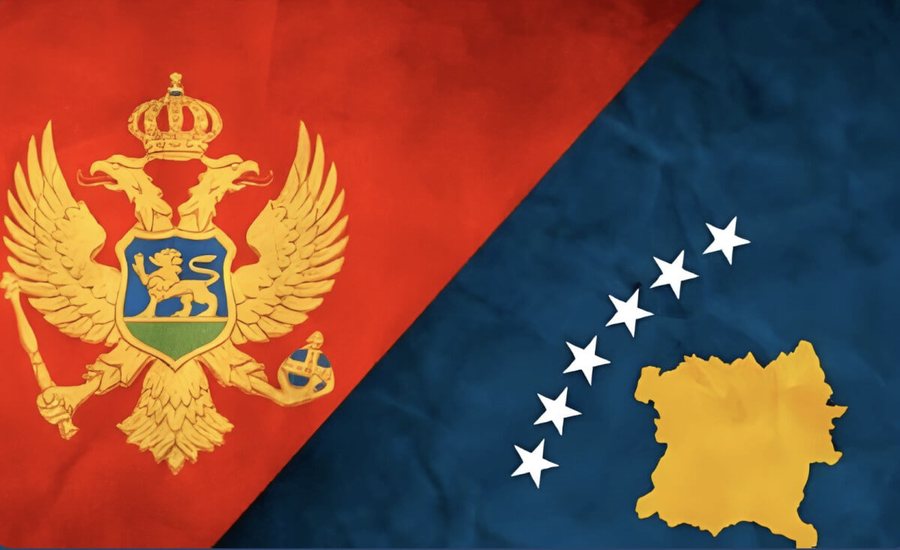
The renewed debate over Kosovo's recognition reflects internal identity pressures in Montenegro, but is not expected to immediately change Podgorica's official policy. The path to the EU, NATO membership, and fragile governance balances make withdrawing recognition highly unlikely.
Eighteen years after Montenegro recognized Kosovo's independence, this issue has returned to the political debate in Podgorica, although there is currently no real likelihood of a change in the state's official stance.
The initiative of Serbian parties in Montenegro to withdraw recognition has revived an old and sensitive topic, related to Serbia-Montenegro relations, internal identity balances, and the country's Euro-Atlantic orientation.
The debate intensified after statements by the leader of the People's Democratic Party, Milan Knežević, and then received support from other pro-Serb forces. In the municipality of Zeta, local representatives presented a draft declaration against the decision to recognize Kosovo's independence.
Even if approved at the local level, the initiative would serve primarily as a political signal to the Parliament of Montenegro and does not automatically imply support at the national level.
Podgorica's decision to recognize Kosovo in 2008 remains one of the most sensitive issues in relations with Belgrade. For a portion of Montenegrin citizens who identify as Serbs, the recognition was perceived as a historical and political break. For successive governments in Podgorica, however, it reflected the country's strategic Western orientation, according to an analysis published by the Independent Balkan News Agency.
Analysts estimate that the idea of withdrawing recognition finds support in a part of public opinion, but is unlikely to become state policy. The political system in Montenegro is based on a fragile balance between pro-European parties, pro-Serb groups and Albanian political forces.
A key factor remains Montenegro's path to European Union membership and its role in NATO. Podgorica aims to maintain the image of a predictable partner in Southeast Europe, at a time when Brussels is placing increased importance on stability in the Western Balkans. Any sudden turn for Kosovo would be seen as a significant deviation from this course and could damage the country's European prospects.
Domestically, such a decision would have significant political costs. The participation of Albanian parties in the governing majority makes the issue particularly sensitive. Any attempt to withdraw recognition could lead to the departure of political actors from the governing coalition and cause a political crisis.
Although the prospects for institutional implementation remain limited, the debate has political significance. It shows that the Kosovo issue remains active in the Western Balkans and continues to be used as a reference point for national identities, regional balances, and debates on international law.
In the current circumstances, the possibility of Montenegro withdrawing recognition of Kosovo remains a political topic, but not a possible institutional scenario. The initiative seems more like an indicator of internal pressures and regional sensitivities than a warning of an imminent change in official policy. For Podgorica, the dilemma goes beyond Kosovo and is related to the balance between internal political realities, relations with Serbia and strategic orientation towards Euro-Atlantic institutions. /Adapted Pamphlet /




Lini një Përgjigje