


 Shkruar nga Pamfleti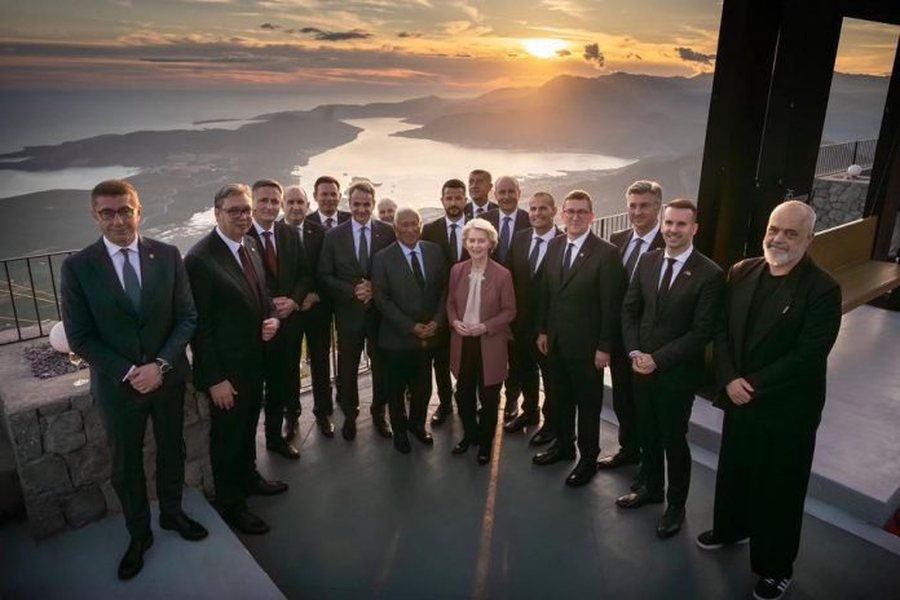
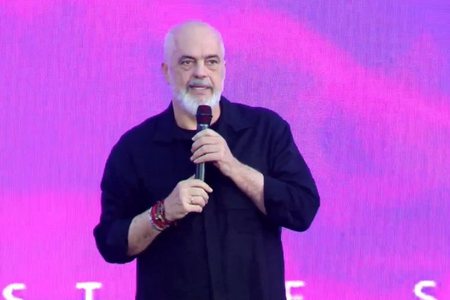
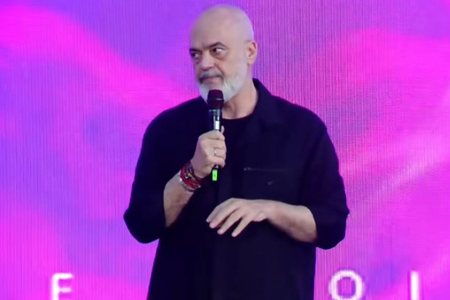
Albanian Prime Minister Edi Rama once again appeared as a humorous figure at the Western Balkans summit. France and Germany are pushing for a gradual rapprochement of the Adriatic countries with the European Union.
The year 2005 was a different world: mobile phones didn't yet have touchscreens, Donald Trump was just a businessman, and North Macedonia had just gained candidate status for membership in the European Union. Now, more than 20 years later, this small Southeast European country is still not a member of the EU.
However, if it is up to Germany and France, the process should gain momentum. This applies not only to North Macedonia, which has waited longer than any other country in the Western Balkans, but also to all the countries in the region.
“The EU must show that it is capable and ready for enlargement,” German Chancellor Friedrich Merz declared at the opening of the EU-Western Balkans summit, which was held on Friday in the Montenegrin town of Tivat. He said the aim was to achieve quick results and that above all it must be clear that “this part of Europe belongs to the European Union.”
French President Emmanuel Macron took the same line. According to him, enlargement is important for geopolitical reasons. "Because in this region too it is about the independence of Europe," Macron said, referring to issues of energy, security and migration.
Ultimately, the EU aims to prevent their rapprochement with rivals like Russia or China through closer ties with the Balkan countries.
All EU countries must give consent
Currently, in what is often called the “EU waiting room,” are Montenegro, Albania, North Macedonia, Bosnia and Herzegovina, and Serbia. All of these countries must go through a rigorously structured process, divided into 35 negotiating chapters (“clusters”).
These chapters cover areas such as the fight against corruption, financial stability or fundamental rights. Candidate countries must adapt thousands of legal acts and implement relevant reforms. The opening and closing of each chapter requires the approval of all 27 EU member states.
Germany and France had prepared the ground for the summit with a joint political document. It spoke of a “gradual integration” that would be offered to candidate countries – that is, a step-by-step approach to the European Union, which would create additional incentives for implementing reforms. Moldova, which is further along in the accession process, could also benefit from this approach.
Nisma i ngjan një propozimi që Friedrich Merz ka bërë së fundmi për Ukrainën. Edhe për Kievin ai ka sugjeruar një lloj “anëtarësimi të asociuar”, që do ta lidhte pjesërisht vendin me BE-në. Ukraina, e cila këmbëngul për anëtarësim të plotë, deri tani e ka refuzuar këtë ide.
Stimuj për të zbutur zhgënjimin
Për vendet kandidate të Ballkanit, koncepti franko-gjerman do të nënkuptonte se ato mund të përfitojnë qasje të pjesshme në tregun e përbashkët evropian edhe pa qenë anëtare të plota.
Gjithashtu, ato do të fitonin status vëzhguesi. Në varësi të progresit në negociata, vendet mund të ftohen në takime të BE-së, por pa të drejtë vote.
Për më tepër, ato do të mund të kenë qasje në programet Erasmus dhe Horizon, si edhe në instrumente të bashkëpunimit në fushën e mbrojtjes, pasi të kenë mbyllur kapituj të rëndësishëm negociues.
Këto janë përfitime që synojnë të zbusin zhgënjimin në Ballkanin Perëndimor për shkak të procesit të ngadaltë të anëtarësimit. Që nga pranimi i Kroacisë në korrik të vitit 2013, numri i vendeve anëtare të BE-së nuk është rritur më. Madje, me largimin e Mbretërisë së Bashkuar, ai është zvogëluar.
Presidentja e Komisionit Evropian, Ursula von der Leyen, flet për një dinamikë të re që sipas saj duhet shfrytëzuar.
“Momenti Helmut Kohl”
Në vetë vendet e Ballkanit, reagimet ndaj kësaj ofensive diplomatike janë të përziera. Kryeministri shqiptar Edi Rama tha se integrimi gradual është një ide e mirë, por sipas tij BE-ja nuk po tregon mjaftueshëm guxim. Ai argumentoi se tani nevojitet një “moment Helmut Kohl”. Ish-kancelari gjerman, tha Rama, nuk u kishte kërkuar gjermanolindorëve para ribashkimit të përmbushnin fillimisht 35 kapituj negociues.
Kur u pyet se kur Shqipëria do të bëhet anëtare e Bashkimit Evropian, Rama u përgjigj me sarkazmën që e karakterizon: “ka tre gjëra që nuk mund t’i parashikosh: Zotin, seksin dhe Bashkimin Evropian.”
Megjithatë, duket krejtësisht e mundur që Shqipëria të bëhet pjesë e Unionit deri në vitin 2030.
Anëtari i 28-të në vitin 2028?
Sipas të gjitha gjasave, procesi do të ecë më shpejt për Malin e Zi. Vendndodhja e samitit nuk ishte zgjedhur rastësisht. Negociatat e anëtarësimit pritet të përfundojnë brenda këtij viti, çka do t’i hapte rrugën vendit drejt anëtarësimit të plotë dhe do ta nxirrte jashtë skemës së integrimit gradual të propozuar nga Merz dhe Macron.
Presidenti malazez Jakov Milatoviç nuk kurseu superlativat pas samitit. Ai e cilësoi ngjarjen si një ditë të madhe, madje si një “triumf kombëtar”, që sipas tij konfirmon reformat e ndërmarra prej vitesh.
Sipas deklaratave të tij, Mali i Zi është gati për anëtarësim dhe dëshiron të shërbejë si shembull për vendet e tjera të Ballkanit. Ursula von der Leyen dhe presidenti i Këshillit Evropian, António Costa, u shprehën më të rezervuar, por edhe ata folën për “hapa mbresëlënës” të Malit të Zi.
Perspektiva që ky shtet adriatik me rreth 600 mijë banorë të bëhet anëtari i 28-të i Bashkimit Evropian në vitin 2028 konsiderohet realiste.
However, given that membership requires the approval of all member states and that referendums may be held in some of them, the possibility cannot be ruled out that the process will face obstacles even at this stage that everyone describes as the "finish line". /Adapted from the Pamphlet by Neue Zürcher Zeitung/.


Lini një Përgjigje