


 Shkruar nga Pamfleti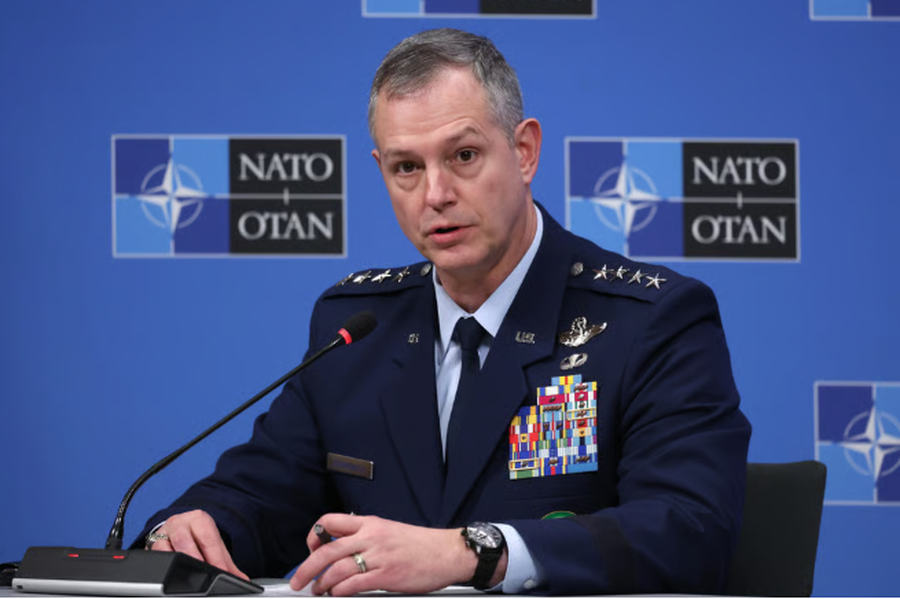
Allies are expected to approve a plan at the Ankara summit that gives NATO's supreme commander more flexibility to respond to air threats...
NATO member states are aiming to give the alliance's top military commander broader powers to respond to drone threats by the time of a leaders' summit in Ankara on July 7-8, according to two NATO diplomats and an alliance official.
NATO has been grappling with a growing number of air incidents, including drone incursions into Polish and Romanian airspace, violations of Estonian airspace and suspicious drone flights over Latvia. These incidents have caused material damage, injuries and political debate in countries on the alliance's eastern flank.
After months of negotiations, the Allies are expected to approve a new proposal that will give the Supreme Allied Commander Europe (SACEUR), US General Alexus Grynkewich, more authority to deal with these threats.
Currently, each member state sets the rules for how and where its military systems can be used. Under the new proposal, Grynkewich would have more freedom to move military assets within the alliance and determine their readiness levels, without the need for formal approval from member states, writes Politico.
The proposal also envisages the formal integration of ballistic missile defense systems into NATO air patrol missions in eastern flank countries and other areas, orienting them more directly towards air defense missions.
Some NATO countries have long argued that national restrictions on the use of weapons create a patchwork of different rules within the alliance and hinder rapid response to air threats.
Discussions about lifting these restrictions have intensified since October last year, while the launch of Iranian ballistic missiles towards Turkey earlier this year has added urgency to a coordinated approach at the alliance level.
“Every time a drone enters a country’s airspace, countries turn to NATO for a response,” the alliance official said. He added that NATO also needs member countries to “do their part” by lifting existing restrictions.
According to the same official, General Grynkewich presented the proposals for increasing flexibility to the ambassadors of 32 NATO member countries earlier this year.




Lini një Përgjigje