


 Shkruar nga Pamfleti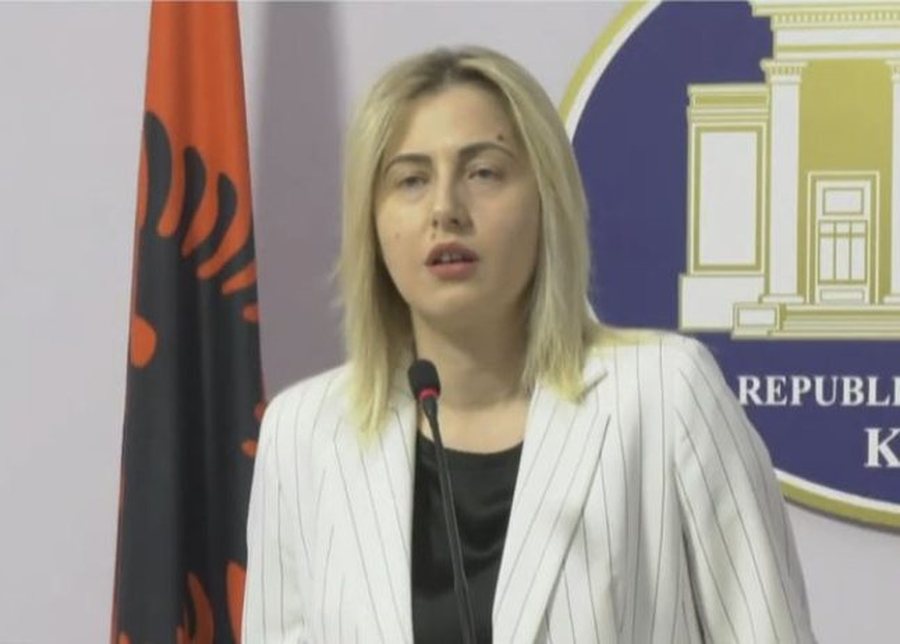
Democratic Party MP Ina Zhupa has opposed the government's decision to finance the concert of artist Kanye West with 4.2 million euros from the emergency reserve fund, calling it a violation of the Constitution.
In a statement to the media, Zhupa said that the government initially presented the concert as a private investment, while now, according to her, it is using state budget funds to cover its costs.
She argued that the emergency fund was created for extraordinary situations, such as earthquakes, floods, fires and natural disasters, and not for financing private activities. According to her, the use of this fund for a concert does not meet the criteria provided for in Article 101 of the Constitution for the issuance of normative acts.
Zhupa also criticized the way in which, according to her, state institutions have been engaged in promoting the concert and stressed that public funds would be more needed for civil protection, health, education, agriculture and pensions.
The MP called on the Assembly not to approve the normative act, warning that its adoption would create a precedent that, according to her, would allow the financing of private interests with taxpayers' money.
Ina Zhupa's full statement:
Kanye West's concert was presented to us as a private investment. No one was against organizing concerts or the arrival of international artists in Albania. If an activity is private, it must be financed by the organizers, through ticket sales, sponsors and their investments. This is the logic of the market economy.
For weeks, we have seen the entire state apparatus engaged in its promotion. The government, the majority MPs, and state institutions turned into a marketing machine for selling tickets, but Albanians, with many worries and in protest, massively boycotted it.
And here begins the real scandal that is the Normative Act.
The government has decided to use 4.2 million euros from the emergency reserve fund, by normative act, precisely for this concert. A fund that totals about 10 million euros, almost half of it, to finance a concert that was presented as a private activity.
This is not just a wrong political choice and a waste of budget money. But it contradicts the purpose of Article 101 of the Constitution, which allows the issuance of normative acts only in cases of need and urgency. The emergencies for which this fund exists are earthquakes, floods, fires and disasters that endanger the lives, property and safety of citizens, not the financing of a concert.
What is the urgency in this case? The lack of ticket sales? The financial difficulties of the organizers? None of these constitute a constitutional emergency and do not justify the use of the state reserve fund.
Albania continues to lack sufficient civil protection capacities. This weekend alone, hundreds of hectares of olive groves, orchards and forests were burned, while firefighters fought the flames with insufficient means. We still do not have the capacities we need for aerial intervention. During the tragic earthquake of 2019, Albania also relied on search and rescue teams and dogs from Kosovo and partner countries. The emergency fund exists precisely for such situations.
Meanwhile, hospitals face shortages of vital equipment and services, education on its worst day, agriculture, pensions, anywhere could be more useful than for a private concert.
The Normative Act cannot be used as a mechanism to bypass parliamentary control whenever the government wants to finance an unjustified expenditure. If this precedent is accepted, tomorrow any private interest can be declared an 'emergency' and paid for by citizens' taxes.
For this reason, the Assembly has a constitutional obligation not to approve this Normative Act. Deputies should not become notaries of a decision that violates Article 101 of the Constitution and violates the very meaning of the emergency fund.
The state cannot treat a private concert as an emergency, just because Edi Rama wants it to be. This is a test of respect for the Constitution and responsibility for Albanians' money.


Lini një Përgjigje