


 Shkruar nga Afrim Imaj
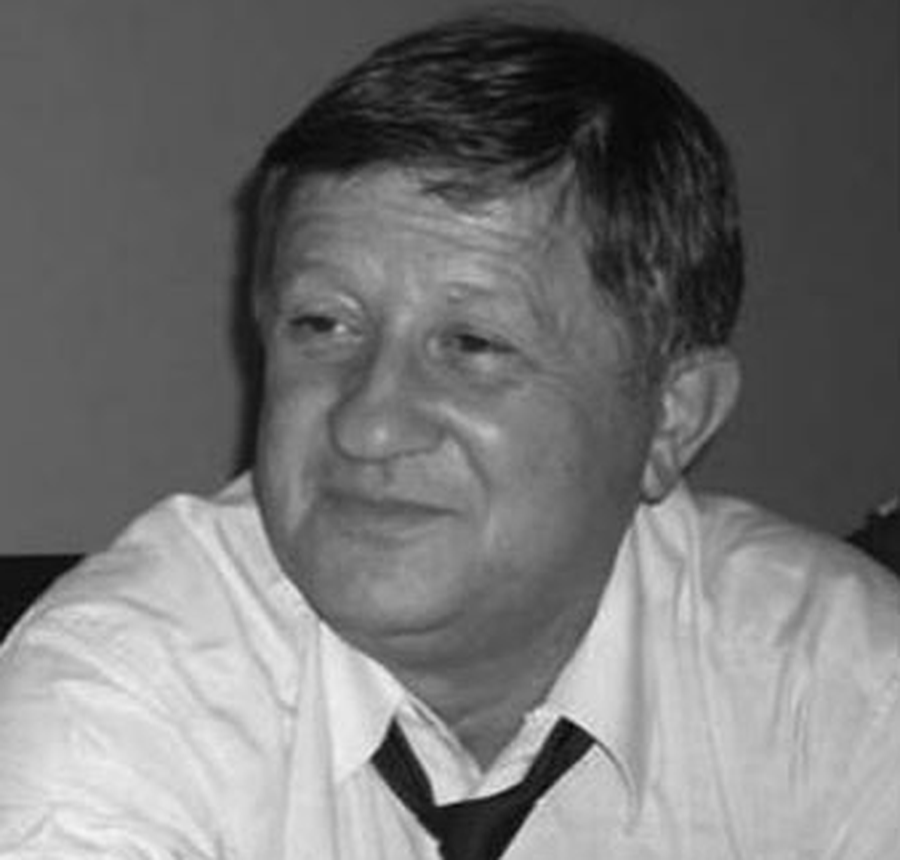
Piro Nuredini, the security officer of the Burrel prison, known for the famous "game" with Avdul Banushi, the convict for the attempted assassination of Enver Hoxha, in his memories from the time he served there, has also documented many impressions from the meetings and conversations with political convicts, those who were anathema as the fiercest enemies of the Party and the motherland. Daily contacts with them, Nuredini testifies, created in me the "first crack" about their danger to the fate of the country. Not everything, according to him, confirmed the heavy accusations that weighed on their files. However, the duty wanted him to remain silent, otherwise he would end up in the cells of the contingents he guarded and eavesdropped on. Interesting in his memories from the reports with the convicts of Burrell, are the testimonies of some of them, obtained from the wiretapping on the day Enveri died...
Although I had moved from Gjirokastra, to "alleviate the class war", the ideology of the time had formed the belief in me too, that this category of people were really dangerous.
The first convict I met in Burrel prison was Koço Tashko. I was entering the prison premises for the first time, when I confronted him. His son, Fredi Tashko, had come to meet him.
Koço was over 80 and could barely stand. The first contact with him made something "jump" in my formation. Koço's age and miserable physical condition made me wonder: "This is the dangerous enemy"?!
Everything I experienced on the first day, but also what I saw later, had a significant impact on my formation. These circumstances formed a different opinion in me, about many of the convicts of Burrell. After some time, Koçua finished his sentence and was exiled to the Adriatic village of Kruja, although in a serious physical condition. I couldn't understand this logic! I also found the convicts in prison: Xhavit Qesja, Maqo Çomo, Fadil Paçrami, Todi Lubonja, Vaskë Gjino, Lipe Nashi, Kiço Ngjela, Gjin Marku and many others. In addition to the task of studying their files, I was driven by curiosity to get to know the details of the activity for which they were convicted. In most files, I had a hard time finding the necessary elements of the crime they were charged with. However, I did not have the courage to talk about this phenomenon. From the first days, I was particularly impressed by the strong character of the convicts; Xhavit Qesja, Maqo Çomo, Bardhyl Belishova, Kurt Kola, Daut Gumeni, Spartak Ngjela, etc. It is unbelievable that the latter was serving his sentence in the same prison as his father, Kiço Njëla, if they were not allowed to meet.
In 1984, the young convicts who were beaten after Mehmet Shehu's suicide were brought to Burrel prison; Muhamet Prodani, Mihallaq Ziçishtin, Abaz Fejzon, Halim Ramohito, Arif Haskon, Rahman Parllaku, Nesti Nasen, Duro Shehu, Ali Çeno, Xhavit Ismailaga and Mehmet's two sons, Skënder and Bashkim Shehu. Many of these had told the investigator details about Mehmet Shehu's group. When I read them, I thought that we were really dealing with real enemies of the party and the government. But during the work for the more in-depth discovery of the extent of this activity, I did not find many of the facts that were in the files. In one case, I asked Ali Çeno to talk to me in more detail about what he had deposited with the investigator. He burst into tears and told me: "Don't believe them! In the conditions in which I happened, I was forced to accept things that are not true"! The same thing happened to me with Mihallaq Ziçishti, who knew the working methods of the Security, as he had been Deputy Minister of Internal Affairs for years...!
The day Enver died...
Those were the moments when Enver's death was announced. All the rooms of the anti-party convicts were equipped with the means of operative technique (wiretapping) and I, from the office to the prison, had the duty to follow their reactions, in the specific case of Enver's death. Some of them experienced it with pain and expressed this in different ways. Even though they were serving sentences for several years, most of them gave positive considerations to Enver.
"Now Albania will be taken by the river", reacted one. "Now the Albanian people are saved"! Abaz Fejzo replied, raising his voice. All these, but also many others, made me change my opinion about convicts in general, and anti-party convicts in particular. A good part of them, for me, were already imaginary enemies. Even many of the other convicts were not the ones I had imagined before. In this view, working in prison was also a fate for me. There I really found the truth.
I was lucky to be part of the working group, for the application of two amnesties in the Burrel prison, those of 1982 and 1986. In both cases, ordinary convicts, who had served half of their sentences, were forgiven. Those who were convicted for agitation and propaganda, or tendency to escape, were pardoned if they were in the last year of their sentence. Ordinary convicts were mainly those who had been punished for theft, robbery, murder, etc. It was these people who benefited from those who were political convicts. That was the logic of that system. I had nothing to say to the convicts, when they asked me to explain such an attitude./ Pamphlet


Lini një Përgjigje