


 Shkruar nga Pamfleti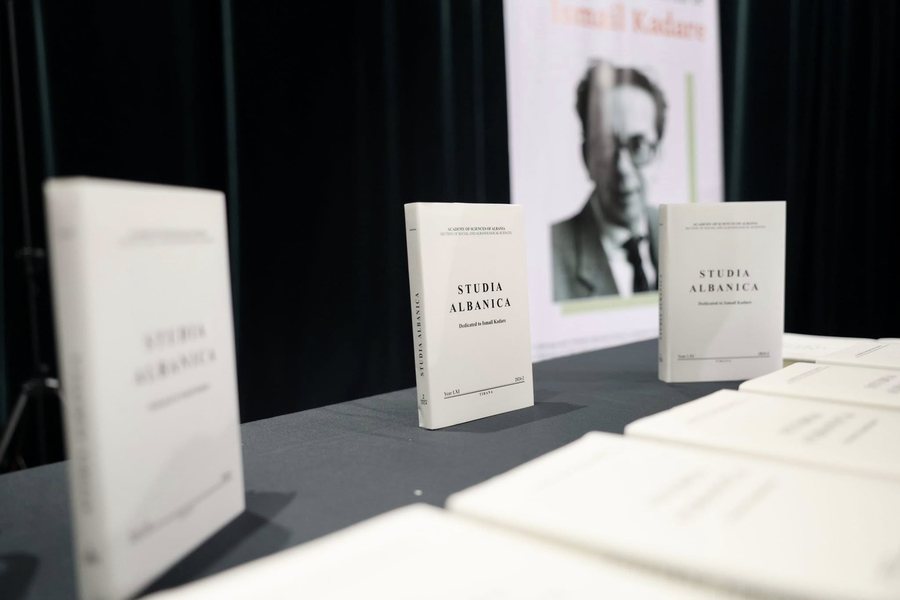
On the first anniversary of the passing of the greatest Albanian writer, a tribute was organized where his voice was restored, silent dissidence was appreciated, and the legacy that defies time and regimes was remembered...
Today marks one year since the passing of Ismail Kadare, the writer who gave Albania a voice beyond borders, at a time when the word itself was under censorship.
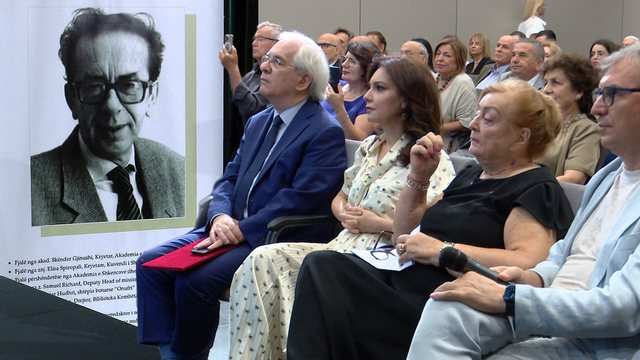
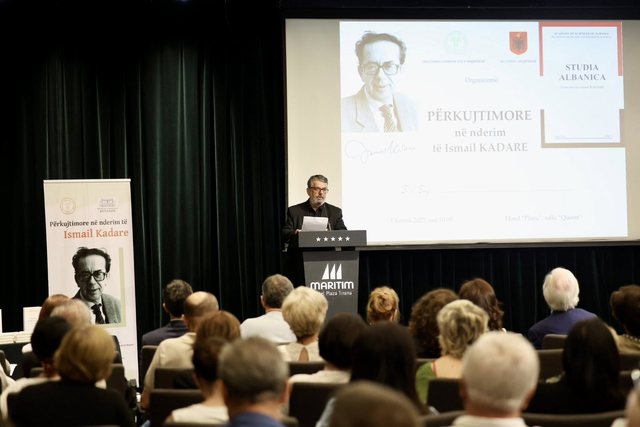
At a memorial event held in Tirana, among the voices of books and selected words, his voice was revived, reciting the poems he himself wrote and which made him immortal.
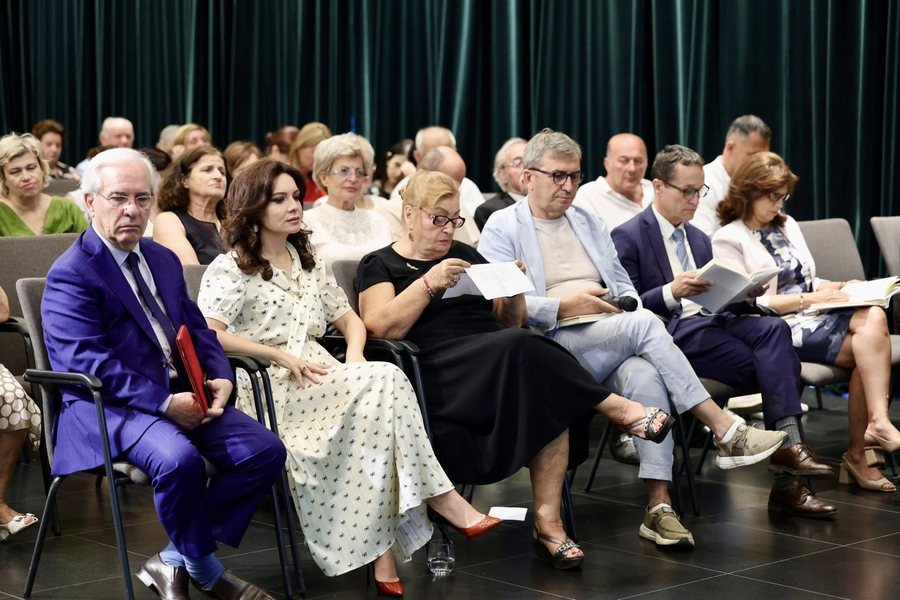
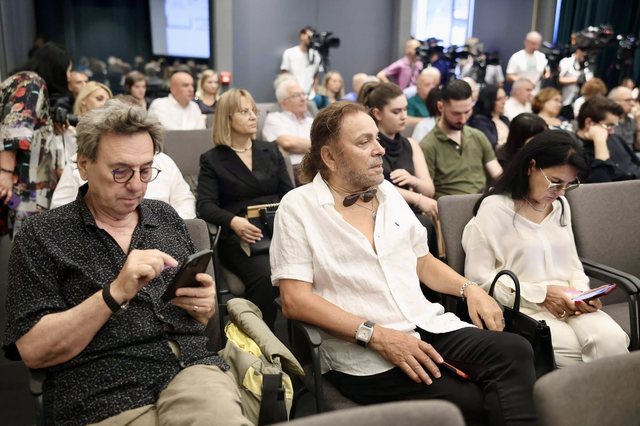
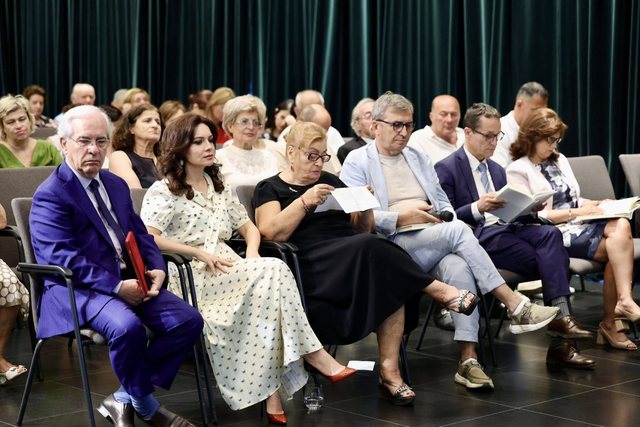
Elena Kadare spoke with emotion about his role in a society where survival was a challenge, and creation an act of rebellion. " Just as the Albanian survived, so did Ismail ," she said. The event brought together figures from literature, politics, and public life, who shared memories and assessments of a colossus who wrote his life between the lines, but also between the lines of the silence of a regime.
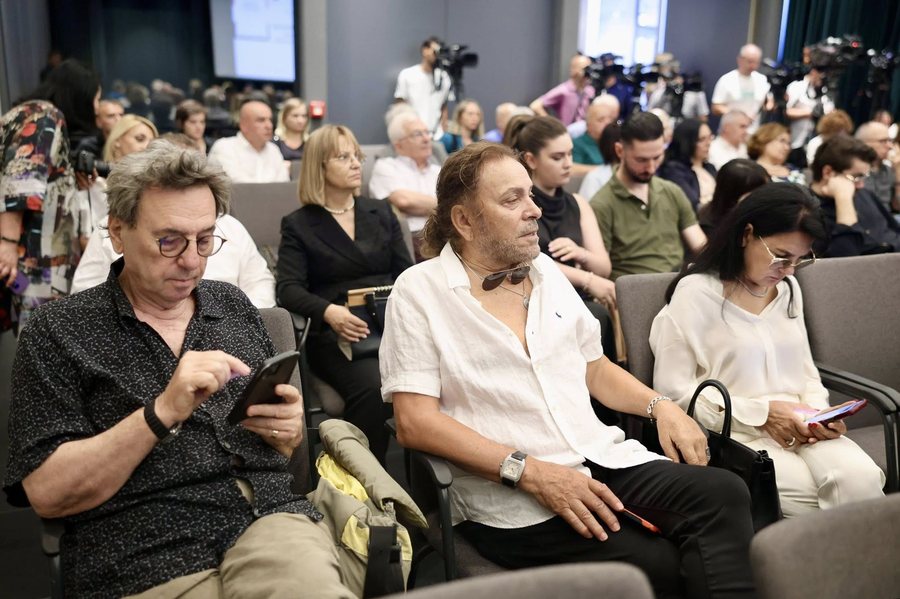
" When it comes to the figure of Ismail Kadare, I am sensitive to the elitist tone of the speakers and the appreciation given to his work. We all know that our history has been a struggle to survive, to exist in the tragic and dramatic waves of chauvinism and insane egoism as part of the madness of the world we live in ," continued Helena Kadare.
Researcher Piro Misha underlined that, although Kadare could not be a dissident in the classical Western form, his work was a counterculture to official propaganda. “ First of all, it must be understood that the Albania of Enver Hoxha’s time was not the Czech Republic of Václav Havel or the Poland of the time. In Albania it was impossible to have a political dissident like Václav Havel who was in prison. Ismail Kadare could not have been such a political dissident, because it was impossible in that context, but the work of Ismail Kadare, for all those who lived at that time, had clear components of dissidence against the regime’s vision of the world, it was a kind of counterculture to the narrative that the regime had for literature ”, said Pirro Misha.

While publisher Bujar Hudhri emphasized that Kadare passed away peacefully; he had himself completed the complete compilation of his work in seven volumes with over 7 thousand pages, a testament written with awareness and dedication.
Kadare remains not only the greatest name in Albanian literature, but also one of the most translated authors in the world, with his works distributed in over 45 languages.
Ismail Kadare was born in Gjirokastra on January 28, 1936, and from an early age he was noted for his talent as a poet and later as a novelist. The novel that brought him international fame was "The General of the Dead Army", published in 1963, translated into over 45 languages.
Over the decades, he built a unique literary universe, using myth, symbolism, and history as weapons against dictatorship. Works like “The Palace of Dreams” or “Broken April” remain testaments to the power of words in a regime of silence.
Kadare was a laureate of the most prestigious international prizes, including the Man Booker International, the Jerusalem Prize and the Neustadt Prize. He was awarded the “Legion of Honor” by the French state, where he lived most of the time after 1990. He was nominated several times for the Nobel Prize, which, although he did not officially win, he had won in the conscience of readers.
On this 1st anniversary, not just a writer was commemorated, but an era. A voice that did not submit. An Albanian who gave the world a dignified, profound and universal literature. A pen that does not die.





Lini një Përgjigje