


 Shkruar nga Pamfleti
From Zagreb to Tirana: when the prime minister ended up in handcuffs, the EU doors opened
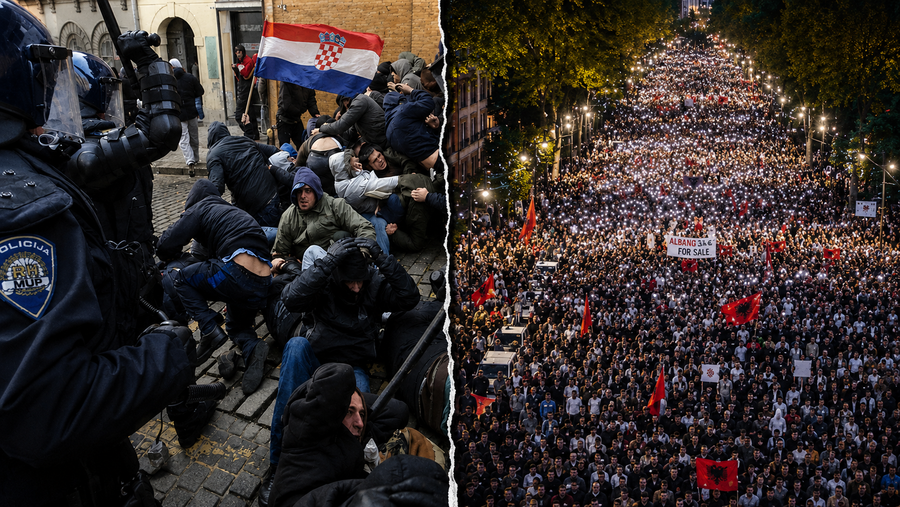
Twenty-eight months separated the clashes in Zagreb from Croatia's accession to the EU. The recent history of European enlargement shows that the obstacle for Brussels has never been a crowd in the square, but an untouchable prime minister...
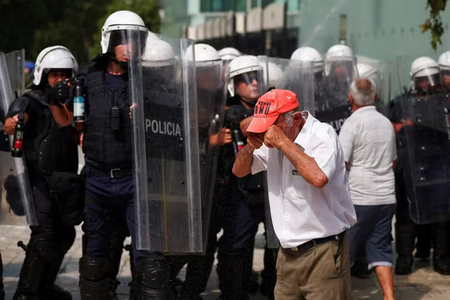
Zagreb, February 26, 2011. Several hundred protesters are trying to reach St. Mark's Square, where the Croatian government is located. The police are waiting for them with cordons and batons. By the end of the day, 33 people have been injured and 58 have been detained, including at least one journalist. Jadranka Kosor's government had banned rallies in front of the Parliament and in front of the government headquarters. Officials spoke of hooligans attacking the state, the opposition demanded distance from violence. Anyone who has seen the squares of Tirana these past five weeks knows this scene well.
Twenty-eight months later, on July 1, 2013, the Croatian flag was raised in front of the Brussels institutions and Croatia became the 28th member of the European Union. No European chancellor recalled the tear gas of February 2011 as a reason to keep it out. What happened between those two dates constitutes the most accurate answer there is to the thesis that prolonged popular protest drives a country away from Europe.
The Croatia of early 2011 was a tired country. The economy had shrunk by 1.4 percent in 2010, unemployment had reached 19.6 percent, and unions counted some 70,000 workers working without pay. On top of this poverty lay an even more bitter conviction: the country's wealth was divided within a narrow circle around the government. Two months before the protests, on December 10, 2010, former Prime Minister Ivo Sanader had been arrested in Austria on an international warrant. The man who had led Croatia from 2003 to 2009, who had himself opened negotiations with the EU and who was welcomed as a statesman at European summits, was now being photographed in handcuffs.
The protests began on February 22, 2011. The call was not made by the parties; it was spread on the Internet, by nameless and unstructured citizens, and people came out every day, week after week. They had no leader, no rostrum, no party flag. They marched through the center of Zagreb and stopped in front of all the addresses of power: in front of the government, in front of banks, in front of politicians' homes and in front of party headquarters. All parties. The Zagreb crowd cheered equally against the government and the opposition, because it saw both as part of the same system that had produced Sanader. On March 6, over 8,000 people filled the center of the capital in the largest demonstration of that wave. The government responded as any government caught off guard responds: it called the protesters hooligans, accused them of violence, asked them to wait for the elections.
Përgjigjja e Brukselit
Pikërisht këtu historia merr drejtimin që sot askush në Tiranë nuk dëshiron ta tregojë. Katër muaj pas përplasjeve të shkurtit, më 30 qershor 2011, Bashkimi Europian mbylli zyrtarisht negociatat e anëtarësimit me Kroacinë. Negociatat nuk u pezulluan e as u ngrinë në pritje të qetësisë; u mbyllën me sukses dhe vendi u shpall gati për anëtarësim, ndërsa qytetarët e tij vazhdonin të dilnin në rrugë kundër qeverisë së vet.
Brukseli nuk po shpërblente qeverinë e Zagrebit, po shpërblente diçka tjetër: institucionet kroate kishin filluar të haheshin me elitën e tyre. USKOK, prokuroria e posaçme kundër korrupsionit dhe krimit të organizuar, e krijuar pikërisht si kusht i rrugës europiane, kishte hetuar dhe arrestuar njeriun më të fuqishëm të dekadës. Në nëntor 2012 Sanader u dënua me dhjetë vjet burg, dënim që më pas u ul në tetë vjet e gjysmë. Gjykata dëgjoi si drejtuesi i kompanisë hungareze MOL, Zsolt Hernádi, i kishte premtuar 10 milionë euro ryshfet në këmbim të kontrollit menaxherial mbi INA-n, kompaninë shtetërore kroate të naftës, dhe si Sanader kishte marrë komision nga banka austriake Hypo Alpe Adria. Në sallën e gjyqit u përshkruan orët e tij luksoze, vilat dhe koleksioni i arteve, pasuri që asnjë pagë shtetërore kroate nuk mund t'i justifikonte. Një proces paralel solli diçka pa precedent në historinë e zgjerimit europian: vetë partia në pushtet, HDZ, u dënua penalisht si person juridik për financim të paligjshëm përmes skemës Fimi Media. Një vend po hynte në BE ndërsa drejtësia e tij dënonte partinë që e qeveriste.
Peshën e këtij precedenti Brukseli e ktheu në rregull të përhershëm. Pikërisht nga përvoja kroate, BE-ja krijoi për herë të parë Kapitullin 23, atë për gjyqësorin, luftën kundër korrupsionit dhe të drejtat themelore, dhe e vendosi në zemër të çdo negociate të ardhshme. Çdo vend kandidat i Ballkanit Perëndimor, përfshirë Shqipërinë, negocion sot nën arkitekturën që lindi nga rasti Sanader. Kushti në themel të asaj arkitekture është një i vetëm: Europa nuk pranon vende ku pushtetarët janë të paprekshëm. Nga vendet ku populli kërkon llogari nuk është trembur asnjëherë.
Protestat e Zagrebit nuk e rrëzuan qeverinë në rrugë; e rrëzuan nëntë muaj më vonë, në kutinë e votimit. Më 4 dhjetor 2011 partia e Sanaderit dhe e Kosorit pësoi humbjen më të rëndë të historisë së saj dhe pushteti ndërroi duar. Pesë ditë më pas, më 9 dhjetor 2011, qeveria e re nënshkroi në Bruksel Traktatin e Anëtarësimit. Në referendumin e janarit 2012, 66.27 për qind e kroatëve votuan pro hyrjes në BE. Shumë prej tyre ishin të njëjtët njerëz që një vit më parë qëndronin përballë kordonëve të policisë. Kundërthënie këtu nuk kishte: njerëzit nuk kishin protestuar kundër Europës, por kundër atyre që e trajtonin shtetin si pronë private. Rruga drejt Brukselit dhe rruga e protestës ishin e njëjta rrugë.
Pasqyra shqiptare
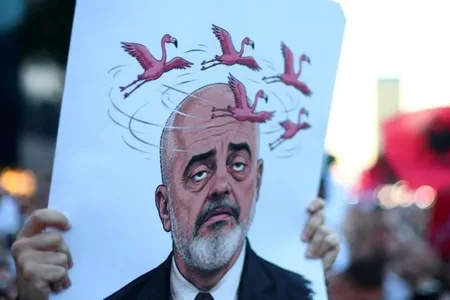
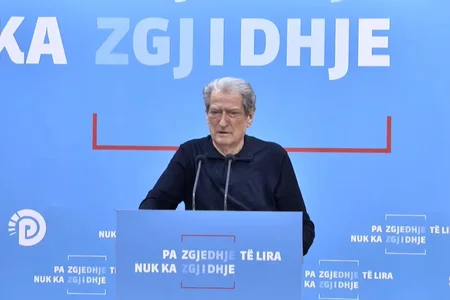
For thirty-four days in a row, citizens in Tirana have gathered in the square every evening and marched towards the prime minister's office. The movement was born from a piece of land by the sea, from opposition to a resort in the Zvërnec lagoon, and grew into something much larger, just as the Zagreb protests were born from unpaid salaries and turned into a public trial of an entire system. Here too, the crowd knows no leader and accepts no owners: its cheers hit Edi Rama's government and Sali Berisha's opposition equally, just as the Zagreb crowd stopped in front of the headquarters of all parties. Even the vocabulary of power is the same as that of Zagreb in 2011: violent, paid, foreign hand. The prime minister has declared that "the people are the ones who speak when the elections come."
Croatia has given the answer to this sentence. The Croatian people spoke twice, first in the streets and then in the elections, and Europe listened both times. A country is not delayed on its way to Brussels by the noise of the square, but by the silence of the prosecutors' offices. Croatia did not enter the EU even though it imprisoned its own prime minister; it entered because it imprisoned him. The Croatian path leaves another lesson for the square in Tirana: the stone thrown there remained the work of a few and was condemned by all, while the real strength of the movement lay in the numbers, in the persistence and in the votes that followed. Systems are not overthrown by a night of anger; they are overthrown by a people that does not tire.
The most recent story of European enlargement, the only one that has happened since 2007, bears a date and a name: July 1, 2013, Croatia. A story that began with tear gas in front of a parliament and ended at the European Union table. / Pamphlet


Lini një Përgjigje