


 Shkruar nga Pamfleti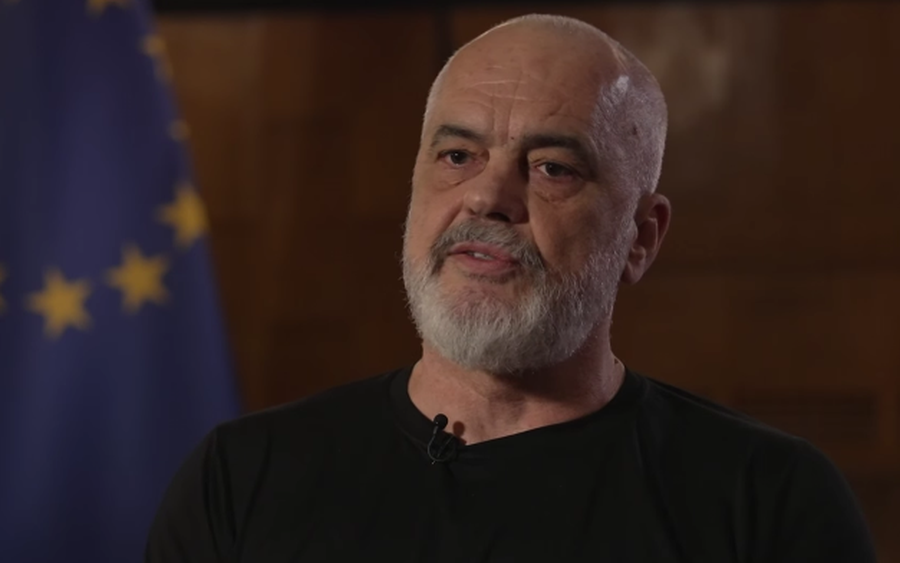
German media consecutive articles about the protests in Tirana...
The Germans seem to have put Edi Rama in the "red circle". The country is entering its 35th day of protests today and there seems to be a lot of increased attention from Berlin.
Initially, it was the magazine "Der Spiegel", which published a report on the protests. According to the German media, the protests have turned into a revolt against misgovernment.
Meanwhile, on Thursday, Deutsche Welle published an interview with Edi Rama. The German journalist took the prime minister under a nose several times.
On the same day, a striking message also came from the German embassy in Tirana. On the 36th anniversary of July 2, 1990, German diplomacy recalled the day when thousands of Albanians entered foreign embassies in Tirana to escape the communist regime, calling it a historic moment of courage and the choice of freedom. This post seemed to be a message for the protest as well.
Meanwhile, today the German public television "ZDF" published an article. They interviewed Prime Minister Rama, who was once again embarrassed.
Article
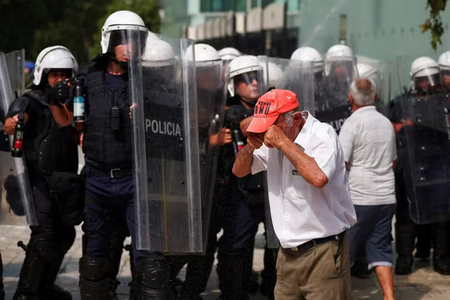
For more than a month, protests have been taking place every evening in the Albanian capital, Tirana. The cause of the protests is a planned luxury resort in the Zvërnec lagoon and on the island of Sazan. Behind the project is, among others, the investment company of Jared Kushner, Donald Trump's son-in-law. Environmentalists fear serious interference in a unique protected area for birds and wetlands.
Meanwhile, the protests are no longer directed solely against the construction project, but also against corruption, lack of transparency, and against the current prime minister, Edi Rama. The former artist, former mayor of Tirana, and former national basketball player rejects these accusations.
In the interview, Rama talks about the protests, the conflict between politics, nature protection and investments, as well as his country's path towards the European Union.
ZDFheute: Mr. Prime Minister, we would like to understand the structure and plans of the investors who intend to build a holiday resort in Zvërnec, near the lagoon. It is not yet completely clear who the investors are and what role the state plays. Can you explain this to us?
Edi Rama: Nuk e di se çfarë informacioni keni, por ka disa përgjigje të thjeshta. Së pari: bëhet fjalë për pronë private. Së dyti: prona private në Shqipëri zhvillohet përmes marrëveshjes mes pronarëve dhe investitorëve të mundshëm. Së treti: ende nuk ka një plan, sepse bëhet fjalë për një proces në të cilin agjencitë tona shtetërore kanë vepruar me shumë, shumë kujdes, për t’u siguruar që plani do të respektojë një sërë rregullash dhe standardesh që janë të rëndësishme për ne. Nuk e di se çfarë keni zbuluar ju.
ZDFheute: Sa i përket rolit të shtetit, ne kemi zbuluar se ju keni ndryshuar disa ligje që kanë lehtësuar mbrojtjen e natyrës. Ju e keni zvogëluar zonën e mbrojtur për të ndërtuar një aeroport. Gjithashtu keni lejuar ndërtime në këtë zonë, e cila më parë ishte e mbrojtur. Kritikët thonë se në këtë mënyrë ju i keni lehtësuar investimet dhe, për këtë arsye, sigurisht që luani një rol si aktor shtetëror.
Rama: Nuk ka pasur asnjë ndryshim për të krijuar mundësi ndërtimi në zonën e mbrojtur, ku nuk lejohet të ndërtohet asnjë lloj ndërtese. Këto zona të mbrojtura kanë një status të veçantë në Shqipëri. Mbrojtja e zonave të ndryshme bazohet në kategoritë e Bashkimit Evropian dhe në parimin e praktikave më të mira. Kjo do të thotë se jo të gjitha zonat gëzojnë të njëjtin nivel mbrojtjeje ndaj ndërhyrjeve dhe zhvillimit; ka dallime mes tyre.
ZDFheute: Por pikërisht në qendër të zonës së mbrojtur natyrore kanë filluar punimet e ndërtimit vetëm pak javë më parë. Edhe pse ju thoni se deri tani ka vetëm plane dhe nuk ka ende një leje zyrtare ndërtimi për të filluar punën. Kjo ka të bëjë me qendrën e lagunës; ne kemi qenë atje.
Rama: Nuk ka leje ndërtimi në atë zonë. Nga ana tjetër, bazuar në ligjin shqiptar, prona private mund të rrethohet. Nëse ekziston një leje paraprake për të filluar punët përgatitore, përfshirë edhe një vlerësim të ndikimit në mjedis.
ZDFheute: Por si mund të fillojnë punët e para, siç thoni ju, kur të drejtat e pronësisë nuk janë të qarta? Siç e dini, Gjykata e Lartë e Shqipërisë ka anuluar të paktën në dy raste fitimin e të drejtave të pronësisë dhe i ka kthyer çështjet për rigjykim në shkallën më të ulët.
Rama: Pretendime mund të ketë kushdo, por që një pretendim të shndërrohet në një të drejtë ligjore, duhet të konfirmohet nga një gjykatë. Dhe ndërkohë, një pretendim nuk mjafton për të ndaluar gjithçka derisa gjykata të vendosë ndryshe, sepse edhe agjencitë tona shtetërore punojnë mbi bazën e dokumenteve, jo mbi bazën e pretendimeve. Për sa kohë titulli i pronësisë nuk ju përket juve, nuk mund të pretendoni që prona të mos zhvillohet vetëm sepse ende nuk është e juaja.
ZDFheute: Por a nuk jeni ju, si kryeministër, përgjegjës për transparencën politike?
Rama: Transparency is so obvious. It is so easy to see, but if someone does not want to see it, then, of course, it becomes invisible. As the prime minister of this country, I do not tell you fairy tales. You are the ones telling the fairy tales. There are demands from the Albanian authorities to respect the rules and to assess the environmental consequences. This story is based on facts. The rest is based on interpretations.
ZDFheute: Does this mean that you will continue the project?
Rama: We cannot simply say no to an investment of more than four billion euros. And if the final result is disappointing, then we will not continue with it.
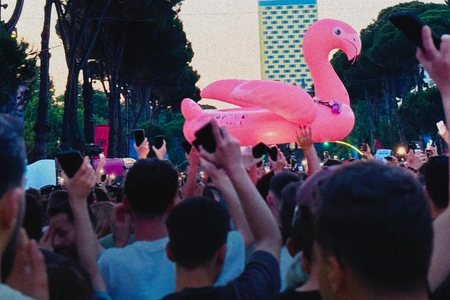
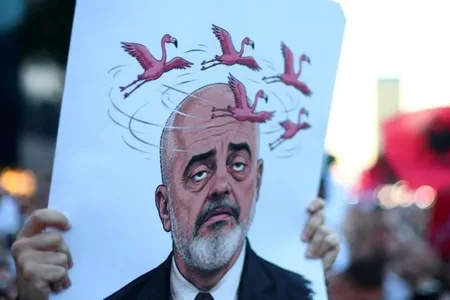
ZDFheute: Meanwhile, this issue has also taken on a political dimension. Every day Albanians protest in the streets against the lagoon project, against the lack of transparency and corruption; they call this the “Flamingo Revolution.” How do you deal with these protests?
Rama: They protest because they have the right to do so and because they have their concerns and reasons. They have the right to express their opinion, to protest, to criticize and even to be against me. As you can see, Zvërnec is no longer at the center of the protests. This topic has been off the agenda for weeks. Flamingos have remained as a symbol, because they are a powerful symbol, but people have many different reasons for taking to the streets. And I understand them. I am not talking about them. The protest movement consists of two parts. On the one hand, there are completely ordinary citizens. I treat them with great respect and try to understand what is bothering them. On the other hand, there are the organizers, those who pull the strings, those who direct and control these protests. It is precisely these people that I refer to when I talk about “sermons”. These are two completely different things.


Lini një Përgjigje